The global widebody aircraft market is approaching a pivotal moment, and Lufthansa’s upcoming 2033 fleet decision could become one of the clearest signals yet about the future of Boeing’s struggling 777X program. The German aviation giant is reportedly preparing to choose between the Boeing 777-9 and the Airbus A350-1000 for its next major long-haul aircraft order. On the surface, the decision appears to be a standard fleet planning exercise. In reality, it represents something much larger: a judgment on Boeing’s ability to deliver its long-delayed flagship aircraft.
Lufthansa has been one of Boeing’s most important partners for decades. The airline was selected as the launch customer for the Boeing 777X, placing its first order when the program was announced in 2013. Yet more than a decade later, the aircraft has still not entered commercial service, leaving Lufthansa to redesign its long-haul fleet strategy around uncertainty.
The upcoming competition between Boeing and Airbus is therefore not simply about price, passenger capacity, or operating economics. It is also about trust, reliability, and whether Lufthansa believes the 777-9 remains the right aircraft for its future network after years of delays.
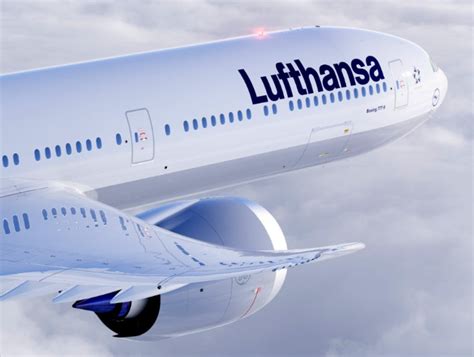
Lufthansa’s 2033 Widebody Order Becomes A Boeing 777X Referendum
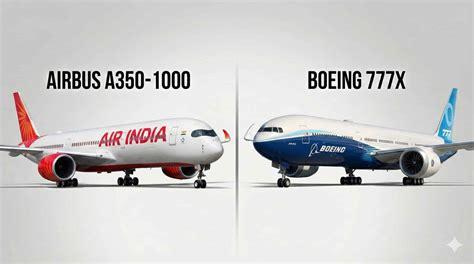
Lufthansa Group CEO Carsten Spohr reportedly informed employees that the airline plans to launch a major widebody aircraft competition, with deliveries expected from 2033. The contest will focus exclusively on two aircraft: the Airbus A350-1000 and the Boeing 777-9.
This approach is significant because Lufthansa has historically maintained relationships with both manufacturers. The airline has ordered Airbus A350 aircraft, Boeing 787 Dreamliners, and the 777X as part of its long-term fleet modernization program. However, the next major widebody purchase appears to be a direct choice between Airbus and Boeing rather than an expansion of both partnerships.
That distinction matters. If Lufthansa selects the A350-1000, the decision could be interpreted as a rejection of Boeing’s largest passenger aircraft before the airline even receives its first 777X. For Boeing, losing such a high-profile customer would represent a serious reputational setback.
The symbolic impact would be even stronger because Lufthansa is not just another airline customer. It is the carrier Boeing originally counted on to introduce the 777X to commercial aviation. A decision away from the aircraft would raise questions about whether other airlines may also reconsider their commitments.
Boeing 777X Delays Forced Lufthansa To Change Strategy
The biggest challenge facing the Boeing 777X has been timing. The aircraft was originally expected to transform the widebody market years ago, but certification problems, testing delays, and technical issues have pushed its entry into service far beyond the original schedule.
For Lufthansa, these delays created a difficult operational problem. The airline needed additional aircraft to replace aging long-haul jets and support network growth, but the 777-9 was not available when required.
As a result, Lufthansa began adjusting its strategy. The airline originally planned a widebody renewal centered around several aircraft types, including the Airbus A350-900, Boeing 787-9, and Boeing 777-9. However, continued uncertainty surrounding the 777X forced Lufthansa to find alternatives.
In 2023, Lufthansa ordered 10 Airbus A350-1000 aircraft, later increasing that commitment to 15 units. The move was widely viewed as a practical response to Boeing’s delays. The airline needed a large-capacity aircraft immediately, and Airbus was able to provide a proven solution.
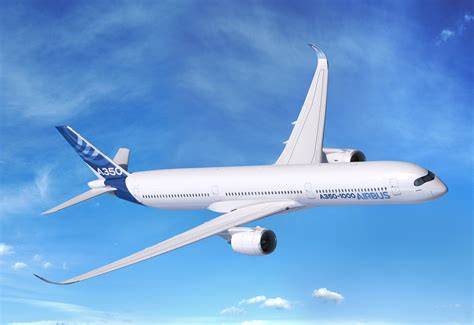
The situation created an unexpected advantage for Airbus. Boeing’s inability to deliver the 777X on schedule effectively opened the door for the A350-1000 to capture a larger role in Lufthansa’s future fleet.
Airbus A350-1000 Offers Lufthansa A Proven Alternative
The Airbus A350-1000 and Boeing 777-9 were designed with similar goals: replacing older four-engine aircraft, improving fuel efficiency, and offering airlines more economical long-range operations. However, the two aircraft represent different philosophies.
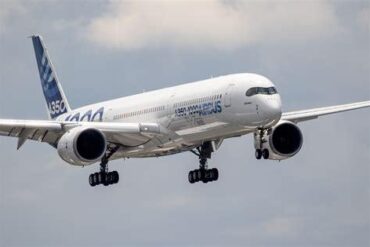
The A350-1000 focuses on efficiency, advanced materials, and long-range capability. It entered commercial service in 2018 and has already accumulated years of operational experience with airlines worldwide.
For Lufthansa, the aircraft also offers a major advantage: fleet commonality. The airline already operates the smaller A350-900, meaning pilots, maintenance teams, and operational procedures are already familiar with the aircraft family.
The A350-1000 provides a maximum range of approximately 9,000 nautical miles (16,668 kilometers), allowing airlines to operate some of the world’s longest routes. Its composite structure, advanced aerodynamics, and Rolls-Royce Trent XWB engines have made it one of the most efficient large widebody aircraft currently available.
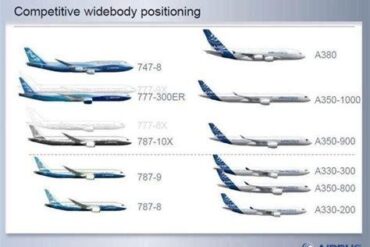
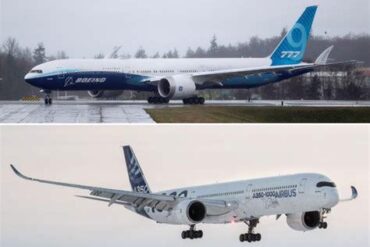
The Boeing 777-9, meanwhile, represents a different approach. It is larger, heavier, and designed to maximize passenger capacity. Boeing expects the aircraft to carry more passengers than the A350-1000, making it attractive for airlines operating high-demand routes.
Boeing 777-9 Still Holds Capacity Advantages
Despite its difficulties, the Boeing 777-9 remains an impressive aircraft on paper. It is designed as the successor to the highly successful Boeing 777-300ER, an aircraft that became a cornerstone of many global airline fleets.
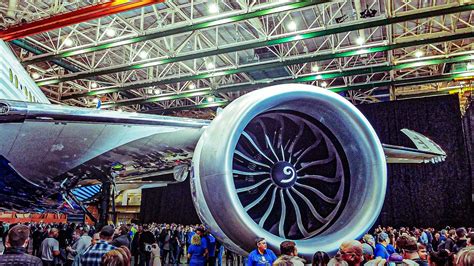
The 777-9 features the enormous GE9X engine, the largest commercial aircraft engine ever produced. It also incorporates folding wingtips, advanced composite materials, and aerodynamic improvements intended to reduce fuel consumption.
In terms of passenger capacity, Boeing maintains a clear advantage. Typical two-class configurations suggest that the 777-9 could accommodate around 426 passengers, while the A350-1000 is generally expected to carry fewer passengers depending on airline configuration.
For Lufthansa, this additional capacity could be valuable on high-density routes from Frankfurt. A larger aircraft allows the airline to transport more passengers without increasing flight frequency, which can improve profitability on major international markets.
However, capacity alone does not determine fleet success. Airlines must also consider reliability, operating costs, delivery schedules, and long-term support.
The central question for Lufthansa is whether the additional capacity of the 777-9 justifies the uncertainty surrounding the program.
Lufthansa Must Decide Between Capacity And Certainty
The choice between the Boeing 777-9 and Airbus A350-1000 reflects two different strategies.
Choosing the A350-1000 would prioritize certainty. Lufthansa would receive an aircraft already operating with other airlines, supported by established maintenance networks and proven performance data.
Choosing the 777-9 would represent confidence in Boeing’s recovery. Lufthansa would gain access to a larger aircraft with impressive economics, but it would also accept the risks associated with a delayed program.
The decision is particularly complicated because Lufthansa has already invested heavily in the 777X program. The airline currently has orders for 20 Boeing 777-9 aircraft, meaning abandoning the aircraft would represent a significant strategic shift.
However, airlines cannot make fleet decisions based only on previous commitments. Aircraft remain in service for decades, and choosing the wrong platform can create billions of dollars in additional costs.
For Lufthansa, the question is not whether the 777-9 is technically impressive. Few industry experts question its capabilities. The question is whether Boeing can deliver the aircraft on a timeline that matches Lufthansa’s operational needs.
Boeing’s 2027 777X Milestone Could Decide Everything
The next major turning point will likely come around 2027. Boeing has indicated that the 777X program is targeting entry into service after completing certification requirements, including necessary ETOPS approvals.
This timeline is crucial because Lufthansa’s future decision depends heavily on whether Boeing can demonstrate progress.
If Boeing successfully delivers the first 777-9 aircraft and proves reliability, Lufthansa may continue supporting the program. The airline could benefit from priority delivery positions and gain access to one of the world’s largest and most capable twin-engine aircraft.
However, another delay could change the situation completely.
Every additional setback strengthens Airbus’ position. Lufthansa already has experience with the A350 family, and the A350-1000 is becoming a more attractive option as uncertainty around Boeing continues.
Lufthansa’s Choice Could Shape The Future Of The 777X
The importance of Lufthansa’s 2033 widebody decision extends far beyond one airline’s fleet planning. It could influence how the aviation industry views Boeing’s flagship passenger aircraft.
The 777X was designed to become the next generation of the legendary 777 family. Boeing expected it to dominate the large twin-engine widebody market alongside Airbus’ A350 series.
Instead, years of delays have allowed Airbus to strengthen its position. The A350 family has become one of the most successful widebody aircraft programs in modern aviation, while Boeing has been forced to rebuild confidence in its newest model.
If Lufthansa chooses the A350-1000, the message will be powerful: even Boeing’s closest airline partners may no longer be willing to wait indefinitely.
If Lufthansa stays with the 777-9, it will signal that Boeing has successfully restored confidence and that the aircraft’s capabilities outweigh the program’s troubled history.
Ultimately, Lufthansa’s decision will not simply determine its next generation of aircraft. It will serve as a major industry verdict on whether Boeing’s 777X can overcome its delays and become the flagship aircraft it was originally promised to be.