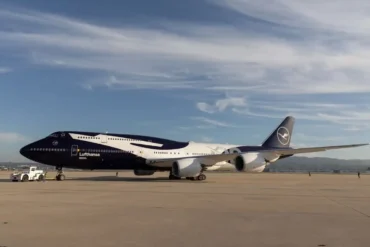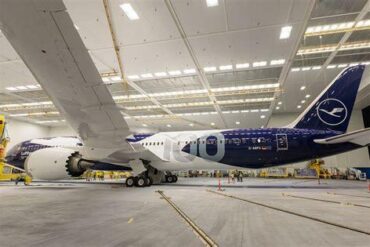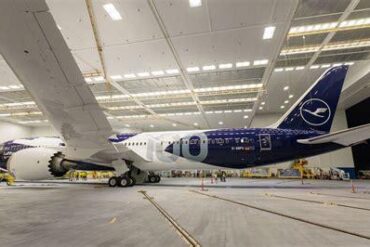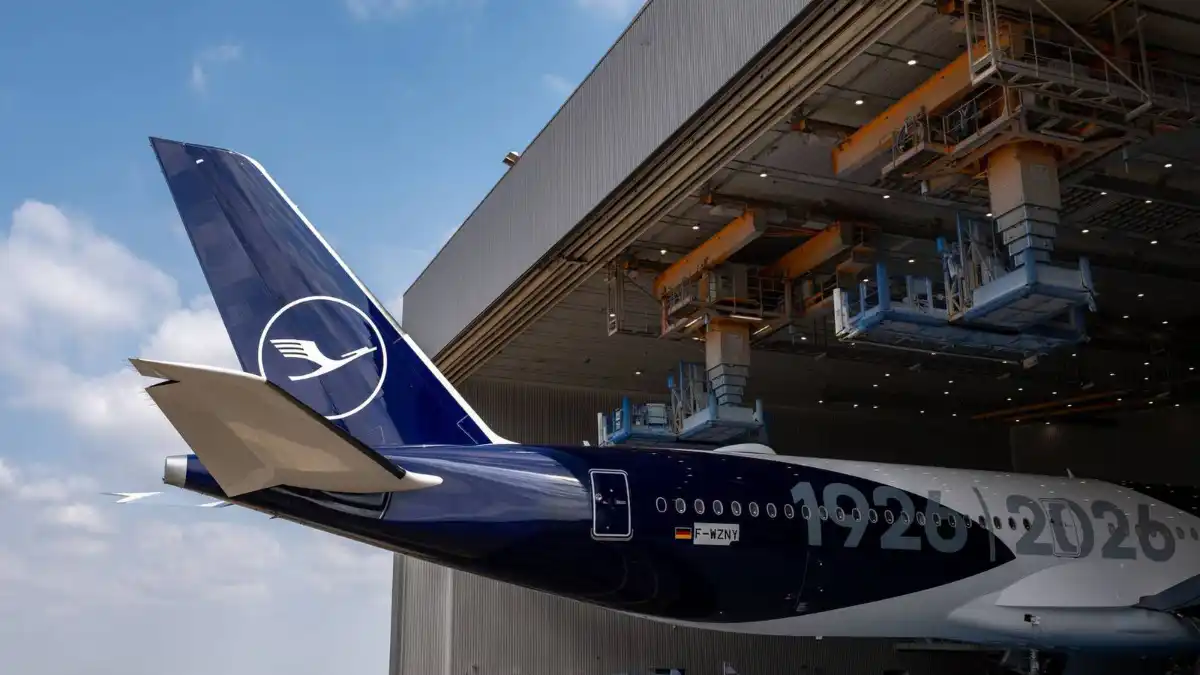
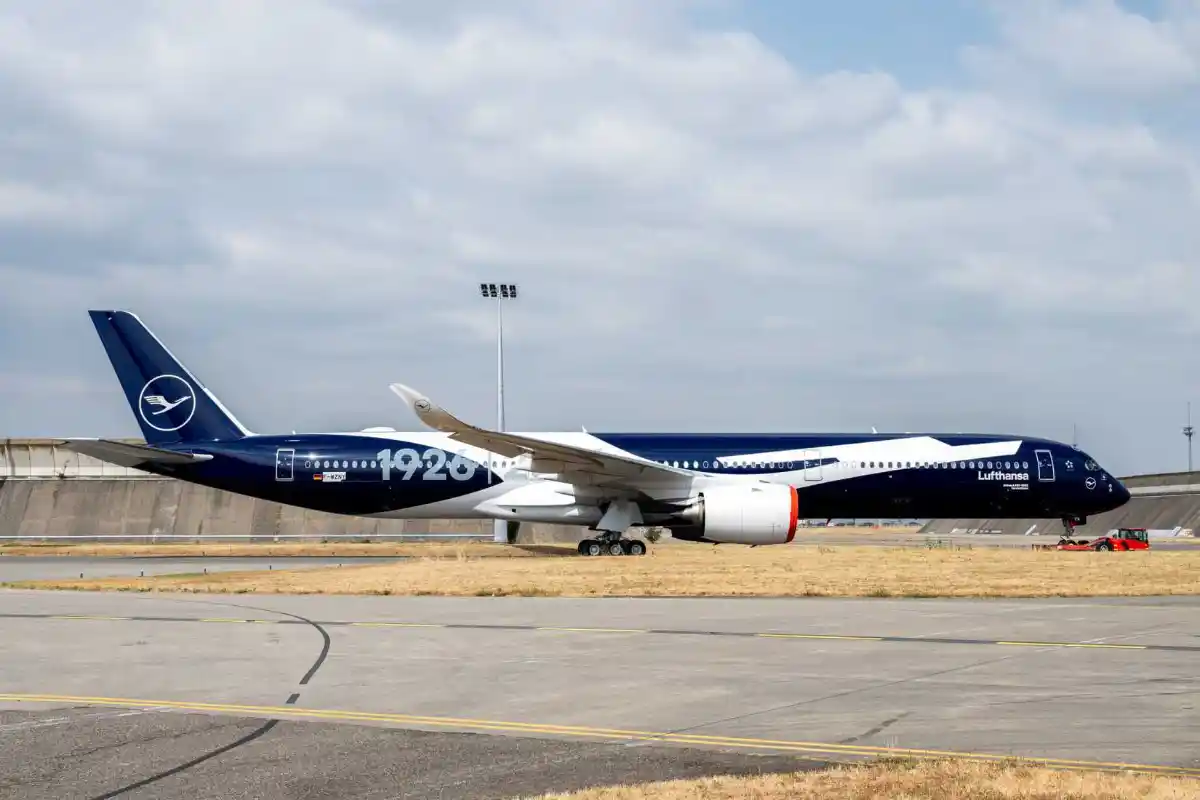
Lufthansa has unveiled its first Airbus A350-1000, introducing a new flagship widebody aircraft while celebrating a historic milestone with Airbus. The aircraft is not only the largest twin-engine jet ever to join Lufthansa’s fleet, but also the 700th Airbus aircraft delivered to the Lufthansa Group, marking more than four decades of cooperation between the German carrier and the European aircraft manufacturer.
Before entering passenger operations, the new aircraft will remain at Airbus facilities in Toulouse for final test flights, cabin preparation work, and acceptance inspections. After completing these procedures, the aircraft will be transferred to Lufthansa’s Munich hub later this year. The jet will officially receive the name “Deutschland” and operate under the registration D-AIFA, adding a symbolic new chapter to Lufthansa’s long-running fleet modernization strategy.
Lufthansa’s Largest Airbus Aircraft Brings a New Era of Long-Haul Travel
The arrival of the A350-1000 introduces an entirely new aircraft variant for Lufthansa. The airline has operated the smaller A350-900 since 2017, but the stretched A350-1000 brings additional passenger capacity, enhanced range capability, and improved efficiency for some of the carrier’s most demanding intercontinental routes.
With a length of 242 feet (73.8 meters) and a wingspan of 212 feet (64.8 meters), the A350-1000 is approximately seven meters longer than the A350-900. The aircraft can fly up to 9,100 nautical miles (16,900 kilometers), allowing airlines to connect major global cities with fewer operational limitations. Depending on configuration, the aircraft can accommodate between 350 and 410 passengers in a typical three-class layout.
The introduction of the A350-1000 reflects a broader industry movement toward larger twin-engine aircraft. Airlines increasingly prefer modern widebody jets that combine high passenger capacity with lower operating costs compared with previous-generation four-engine aircraft. For Lufthansa, the aircraft represents a balance between premium passenger demand, fuel efficiency, and long-term network flexibility.
The aircraft’s distinctive anniversary appearance has already attracted significant attention from aviation enthusiasts worldwide. Lufthansa highlighted that the special livery has generated strong interest among passengers and plane spotters, making the A350-1000 one of the most recognizable new aircraft entering service.
A Historic Airbus Partnership Reaches 700 Aircraft
The delivery of Lufthansa’s first A350-1000 carries significance far beyond a single aircraft arrival. It represents the 700th Airbus aircraft delivered to the Lufthansa Group, a milestone that reflects one of the most important partnerships in commercial aviation history.
Lufthansa was among the earliest customers of Airbus, introducing aircraft such as the Airbus A300 into its fleet more than four decades ago. Since then, the relationship has expanded through multiple generations of aircraft, including the A310, A320 family, A330, A340, A350, and A380.
Today, Airbus aircraft form the foundation of Lufthansa Group’s short-haul operations while becoming increasingly important across its long-haul fleet. The arrival of the 700th Airbus aircraft demonstrates how deeply integrated Airbus products have become within Lufthansa’s global aviation strategy.
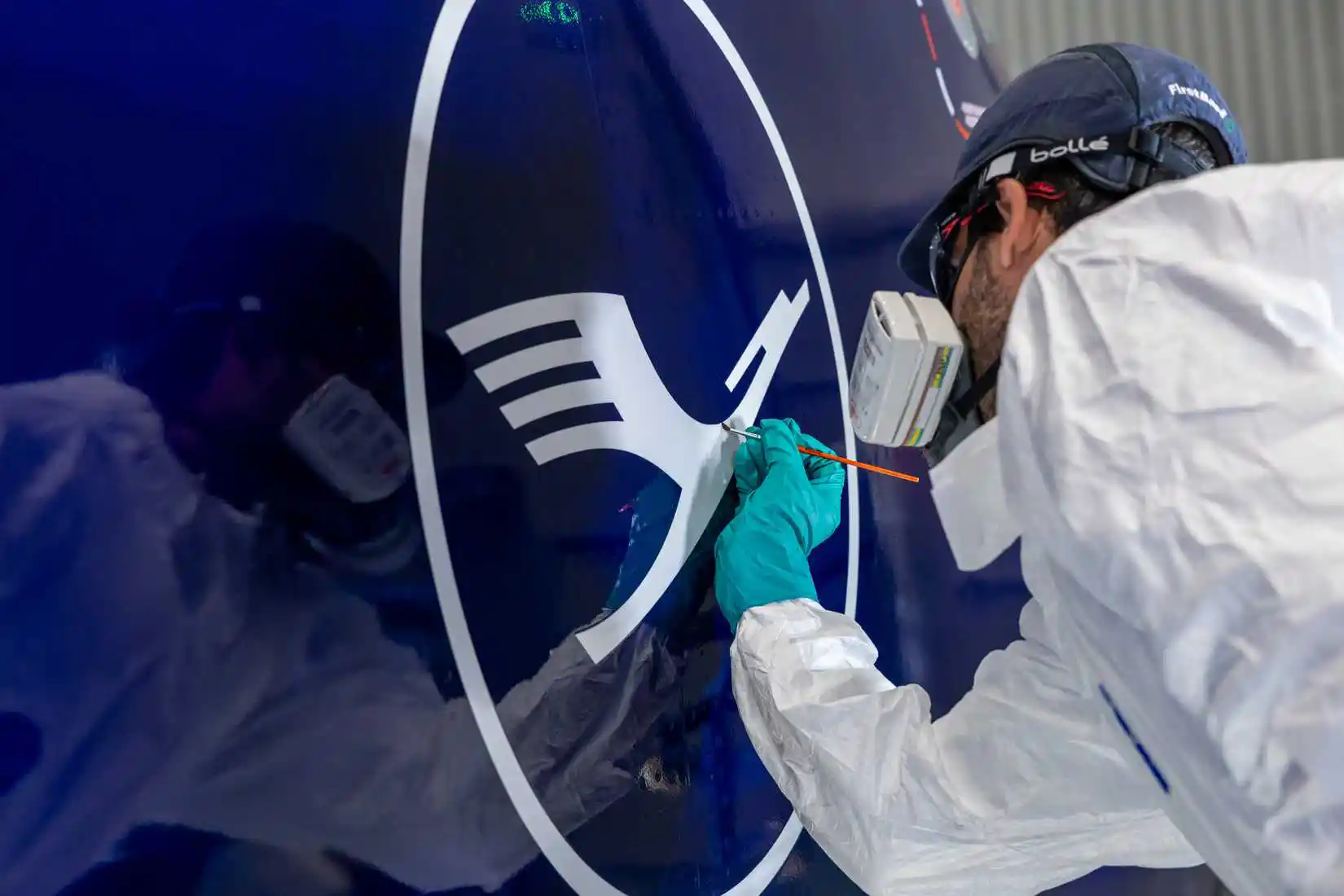
To celebrate the achievement, the aircraft received a unique 100 Years Lufthansa livery, honoring the airline’s centenary. The special design required approximately 114 gallons (432 liters) of blue paint and 65 gallons (246 liters) of white paint, creating a striking appearance that combines Lufthansa’s historic identity with its future-focused fleet plans.
The A350-1000 will be joined by other selected Lufthansa aircraft featuring anniversary designs, creating a wider tribute across the airline’s fleet. These special liveries connect the company’s heritage with its ongoing transformation into a more efficient and digitally focused airline.
A New Flagship Featuring Lufthansa Allegris Premium Cabins
Beyond its symbolic importance, the A350-1000 will play a key role in Lufthansa’s premium travel strategy. The aircraft arrives during a period when airlines are placing greater emphasis on upgraded cabin experiences, especially among high-value long-haul passengers.
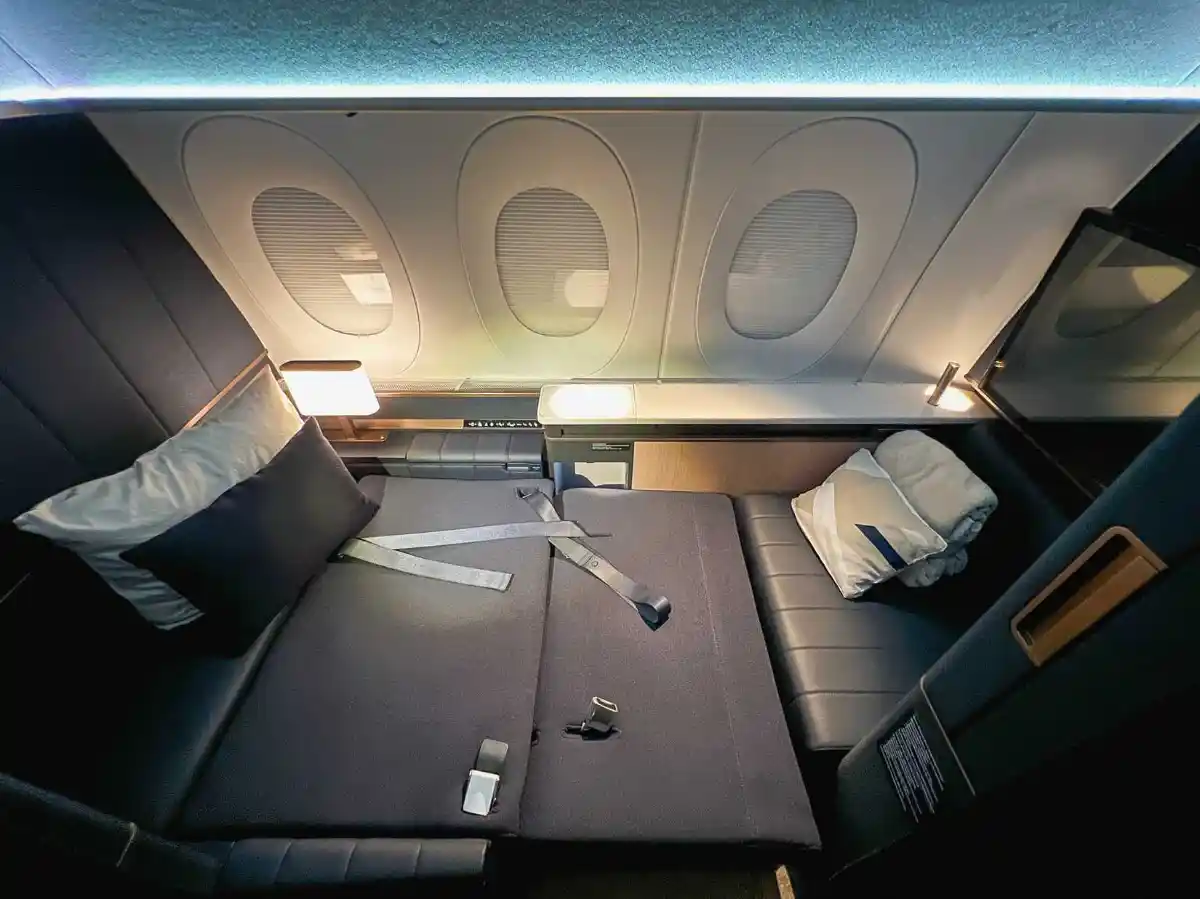
Lufthansa plans to introduce its latest Allegris cabin concept on the aircraft, featuring redesigned First Class suites, enhanced Business Class seats with privacy doors, improved Premium Economy seating, and refreshed Economy Class features. These upgrades are designed to provide passengers with greater comfort, privacy, and personalization on long-distance journeys.
The aircraft’s size and cabin design make it an ideal platform for Lufthansa’s premium-focused approach. As international travel demand continues to evolve, airlines are increasingly competing through onboard experiences rather than simply route networks. The A350-1000 gives Lufthansa a modern aircraft capable of supporting this strategy.
Advanced Technology Improves Efficiency and Sustainability
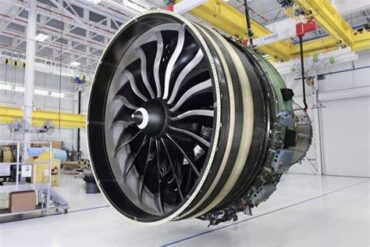
The A350-1000 also represents a major step forward in operational efficiency. Built with advanced carbon-fiber composite materials and powered by Rolls-Royce Trent XWB engines, the aircraft delivers significant improvements compared with older widebody aircraft.
According to Airbus, the A350 family provides around 25% lower fuel consumption per seat compared with previous-generation aircraft of similar size. This efficiency translates into reduced carbon dioxide emissions and lower operating expenses for airlines.
The aircraft also offers improved environmental performance through quieter operations. Airbus states that the A350 generates up to 50% less external noise, making it one of the quietest large commercial aircraft currently operating. These characteristics are increasingly important as airlines face pressure to reduce emissions and communities demand quieter airport operations.
A Milestone Aircraft for Lufthansa’s Future Fleet
Lufthansa’s first Airbus A350-1000 represents far more than a new fleet addition. It combines three major milestones into one aircraft: the arrival of a new flagship widebody, the delivery of the Lufthansa Group’s 700th Airbus aircraft, and the celebration of the airline’s 100-year heritage.
The aircraft arrives as Lufthansa continues an ambitious fleet renewal program, with more than 250 new aircraft expected to join the Lufthansa Group fleet by the end of the decade. Alongside the A350-1000, the airline has ordered additional A350-900 aircraft, Boeing 787-9 Dreamliners, and Boeing 777-9 aircraft.
As Lufthansa enters its next century of operations, the A350-1000 symbolizes the airline’s effort to combine tradition with innovation. From its historic anniversary livery to its advanced technology and premium cabin experience, the aircraft represents a major step toward the future of global air travel.