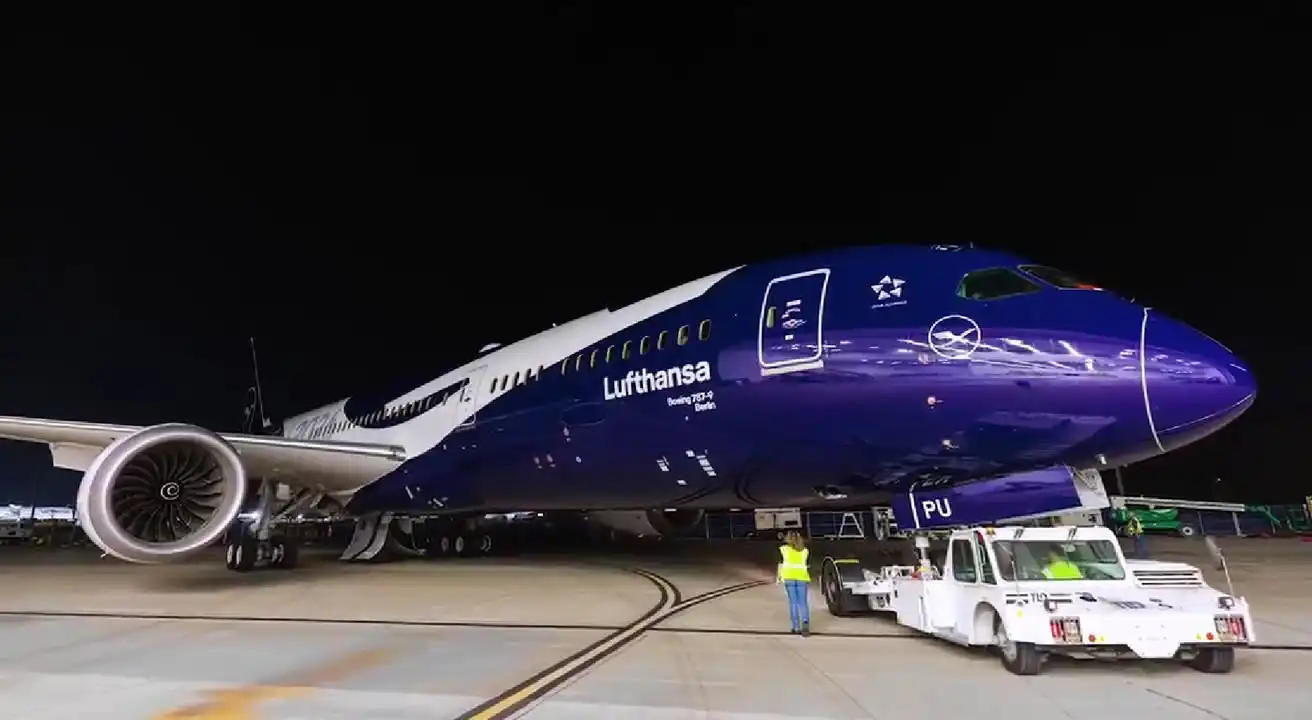
Lufthansa’s centennial journey is a story of transformation, resilience, and pioneering spirit. From its origins in the fractured aftermath of World War I to becoming one of the pillars of global air travel, Lufthansa has profoundly shaped the trajectory of European aviation over the past 100 years. Its evolution is not merely the tale of an airline, but a narrative intertwined with Germany’s national identity, global partnerships, economic revival, and technological progress.
From Deutsche Luft Hansa To Lufthansa: A Complicated Heritage
In 1926, Deutsche Luft Hansa was born from a merger between Deutscher Aero Lloyd and Junkers Luftverkehr, aiming to consolidate a fragmented aviation industry. The airline swiftly became a symbol of Germany’s reentry into international commerce, offering freight, passenger, and airmail services across Europe and beyond.
However, the legacy is not unblemished. As Nazi Germany rose to power in 1933, Luft Hansa’s operations became enmeshed with the regime’s goals. By the outbreak of World War II, the airline had been absorbed into the Luftwaffe, operating under military command and contributing to the war effort with converted freighters and logistical support. The final flight in 1945 ended in tragedy, and with the Allied victory, the airline was dissolved.
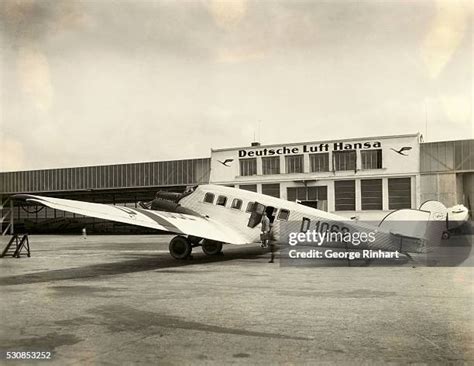
In the years that followed, Germany was without a national carrier. That silence ended in 1953 with the founding of a new company—Aktiengesellschaft für Luftverkehrsbedarf, or Luftag. In 1954, the company acquired the name and branding of the former airline, establishing itself as Deutsche Lufthansa AG, though it bore no legal continuity with its predecessor. The rebirth marked a new era—one not of nostalgia, but of renewal.
Post-War Recovery and Lufthansa’s Rise in West Germany
By 1955, Lufthansa was fully operational, launching a domestic network connecting major cities like Frankfurt, Hamburg, and Munich. Shortly afterward, international routes to London and Madrid followed, quickly expanding to include transatlantic flights to New York City.
The Cold War, however, presented unique challenges. Lufthansa was barred from flying to East Germany or either side of divided Berlin, due to restrictions imposed by the Allied powers. As a result, the airline headquartered itself in Frankfurt—a city that would become one of Europe’s most vital aviation hubs.
With the support of a West German economy experiencing its Wirtschaftswunder (economic miracle), Lufthansa became both a symbol and a driver of prosperity.
Embracing the Jet Age: A New Era of Speed and Prestige
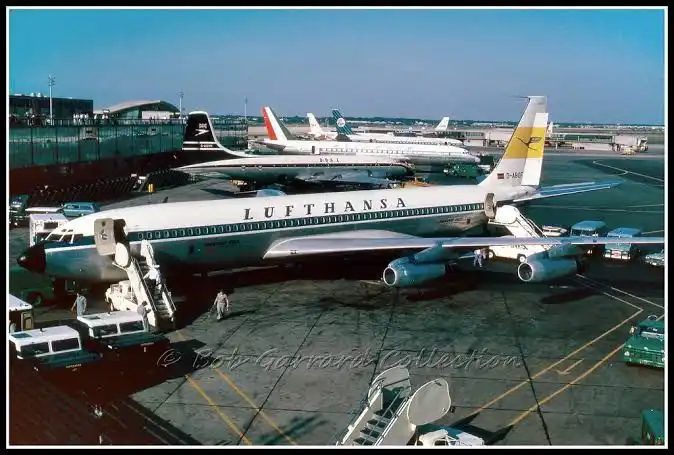
Lufthansa entered the jet age with strategic precision. Although the British beat the world to commercial jet service in 1952, it wasn’t until the late 1950s that Lufthansa took delivery of the Boeing 707, followed soon by the lighter Boeing 720B. These acquisitions allowed the airline to deliver faster, more comfortable flights, appealing to a new generation of international travelers.
Throughout the 1970s and 1980s, Lufthansa doubled down on long-haul ambitions. It integrated a lineup of widebody aircraft—from the Boeing 747 in 1970 to the Airbus A310 in 1979—expanding its footprint into Asia, Africa, and the Americas.
Its pioneering mindset continued with narrowbody fleets. Lufthansa was not just a customer but a launch partner for the Boeing 737, helping to shape the future of short-haul aviation. By doing so, the airline solidified its role in both global and European travel ecosystems.
Building Alliances: Founding Member of Star Alliance
By the 1990s, globalization and deregulation demanded new approaches. Lufthansa shifted from standalone dominance to strategic cooperation, forming the Lufthansa Group and creating specialized subsidiaries like Lufthansa Cargo, Lufthansa Technik, and Lufthansa Systems.
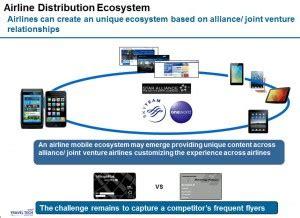
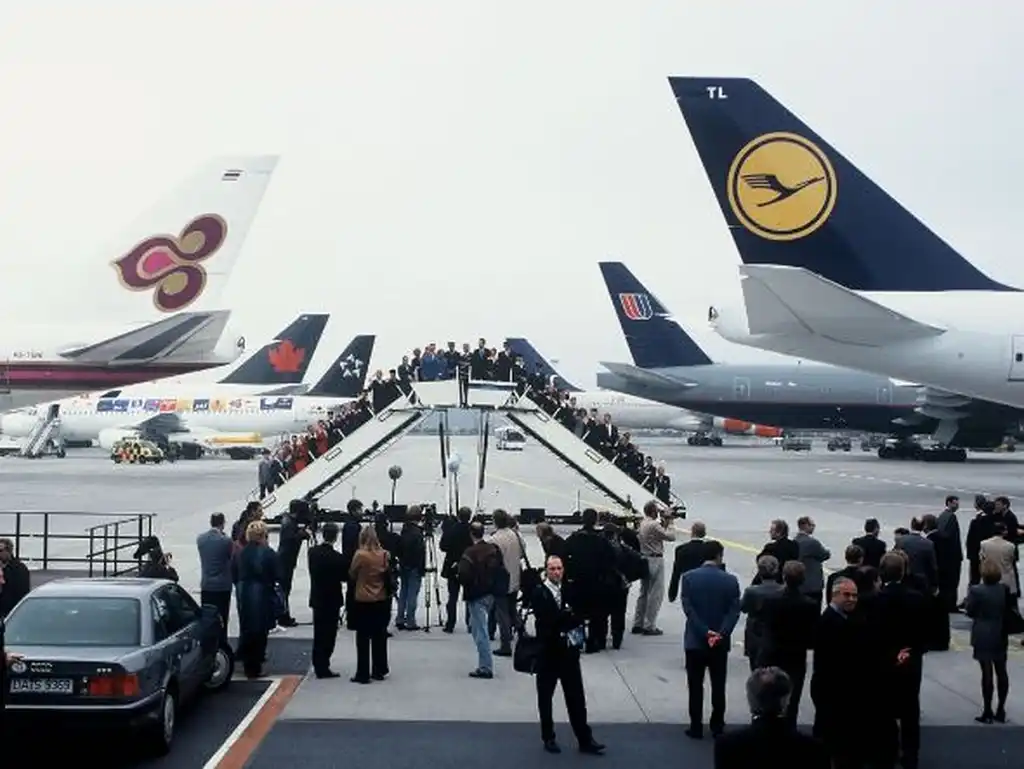
In 1997, the airline made history again, co-founding Star Alliance alongside United Airlines, Thai Airways, Air Canada, and Scandinavian Airlines. This was more than an operational partnership; it was a vision for seamless, global travel.
With shared booking platforms, frequent flyer program integration, and coordinated schedules, Star Alliance set the blueprint for modern aviation cooperation. Lufthansa’s role as an architect in this network cemented its influence in international aviation policy and practice.
Turbulence in the 21st Century: Crisis, Recovery, and Reform
The 21st century has not been smooth for Lufthansa. In the early 2010s, the airline struggled with financial losses, prompting mass administrative layoffs. Labor tensions peaked in 2014, with widespread pilot strikes demanding reforms in retirement policies.
Tragedy struck in 2015, when a Germanwings A320, operated by Lufthansa’s low-cost division, crashed into the French Alps, claiming 150 lives. The psychological impact of the disaster and subsequent investigations led to global industry reform on pilot mental health screening.
The deepest crisis arrived in 2020, with the COVID-19 pandemic. Lufthansa canceled 95% of flights, grounded most of its fleet, and was forced to run 18,000 empty flights to maintain critical airport slots. The economic consequences were so severe that the airline accepted a €9 billion bailout from the German government.
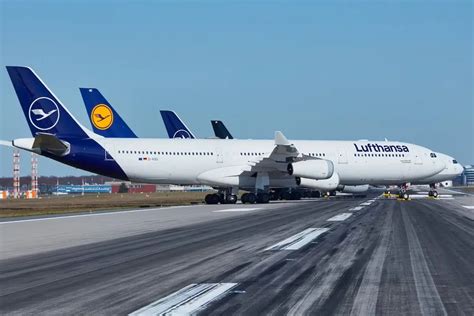
Despite these setbacks, the airline remained committed to innovation. It began an aggressive fleet renewal program, streamlined operations, and accelerated sustainability efforts.
Growth Through Diversification: The Modern Lufthansa Group
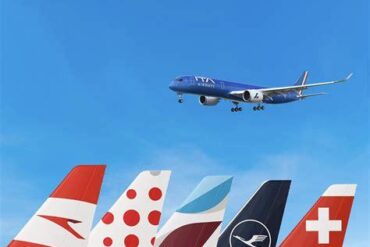
Lufthansa’s ability to adapt has often been rooted in diversification. Over the past two decades, the group has expanded to include major European carriers like Swiss International Air Lines, Brussels Airlines, and Eurowings.
This multi-brand structure has allowed the group to cater to various market segments—from premium intercontinental service to budget-conscious European travelers. It also enabled Lufthansa to hedge risks by distributing operations across different geopolitical and regulatory environments.
The group’s engineering division, Lufthansa Technik, has become a global leader in aircraft maintenance, repair, and overhaul (MRO), while Lufthansa Cargo remains a logistics powerhouse, particularly during periods of suppressed passenger demand.
Looking Ahead: A Sustainable and Profitable Lufthansa
Today, Lufthansa is executing a bold transformation strategy. A look at its order book reflects a clear ambition: to lead the industry in fuel efficiency and carbon emissions reduction. Current orders include:
- 20 Airbus A320neo
- 17 A321neo
- 14 Airbus A350-900
- 15 A350-1000
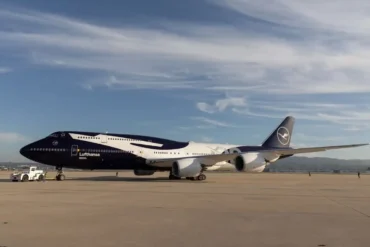
- 20 Boeing 777-9
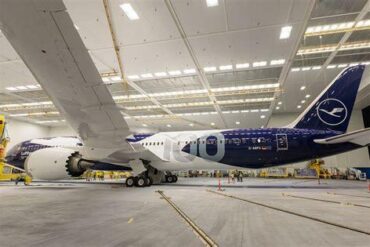
- 22 Boeing 787-9 Dreamliners
These aircraft promise lower fuel burn, reduced noise footprints, and enhanced passenger experience. They also signal a shift toward environmental accountability as aviation contends with growing scrutiny over its climate impact.
CEO Jens Ritter has publicly committed to achieving profitability by 2026, focusing on leaner operations, reduced labor costs, and smarter fleet utilization. Around 4,000 job reductions are expected by 2030, alongside a reduction in reserve aircraft to cut waste and inefficiencies.
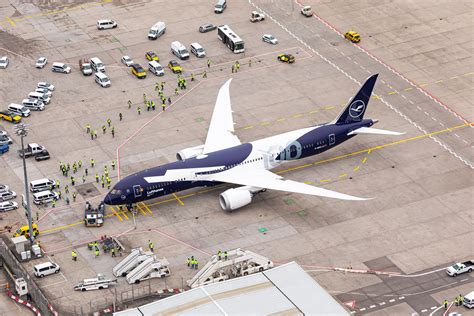
Additionally, Lufthansa aims to capitalize on the post-pandemic boom in premium travel. Its strategy centers on expanding long-haul operations through multiple hubs and enhancing its premium product—especially in business and first class. This direction aligns with the group’s traditional strength in high-yield markets and offers an answer to rising competition from Gulf and Asian carriers.
Conclusion: Lufthansa’s Next Century Begins
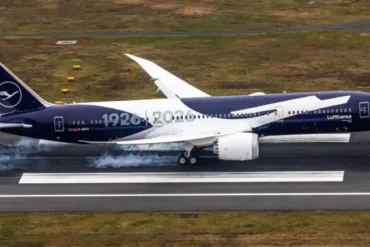
As Lufthansa marks its 100th year—tracing its roots back to 1926—it stands not only as a witness to history but as one of its primary actors. From navigating political upheaval and post-war reconstruction to shaping global alliances and weathering unprecedented crises, Lufthansa has continually reinvented itself.
Today, it faces a world where climate change, digital transformation, and evolving passenger expectations define the future of flight. Yet if history is any guide, Lufthansa will continue to play a leading role—not just adapting to change, but helping shape it.
With a renewed fleet, a revitalized business model, and a century’s worth of institutional knowledge, Lufthansa’s revolution is far from over. It has set its sights on a greener, more connected, and more resilient aviation industry—one flight at a time.