Today marks a striking milestone in global aviation: Lufthansa’s 100th anniversary. Yet beneath the celebratory headlines lies a story far more intricate than a simple centennial commemoration. The truth is that while Lufthansa traces its roots back to 1926, the company we know today has not existed uninterrupted for a century. The complexities of its history, rebirth, and transformation reflect not just the evolution of an airline, but also the turbulence of a nation’s journey through war, division, and reunification.
The Founding of Deutsche Luft Hansa: Origins in the Interwar Years
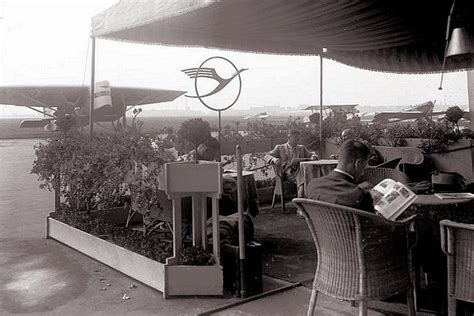
Lufthansa’s genesis can be traced to January 6, 1926, when two German aviation pioneers—Junkers Luftverkehr and Deutsche Aero Lloyd—merged to form Deutsche Luft Hansa in Berlin. This marked the birth of a new national air carrier, one that quickly became a vital component of Germany’s burgeoning aviation industry in the interwar period.
Operating under the stylized branding that echoed strength and modernity, Deutsche Luft Hansa advanced quickly, establishing routes across Europe and expanding German influence in international airspace. However, its rise soon became intertwined with a far darker force.
A Dark Chapter: Collaboration During the Nazi Era
As Nazi ideology took hold of Germany in the 1930s, Deutsche Luft Hansa’s operations became increasingly aligned with the regime’s objectives. The airline played a strategic role in serving the state’s military and propaganda apparatus. Its fleets and infrastructure were absorbed into wartime logistics, and its brand—like many German institutions—became indelibly linked with the atrocities of the era.
Modern Lufthansa acknowledges this period as “the darkest chapter in its history.” The company has committed to critical reflection and transparency regarding its predecessor’s complicity, offering a rare corporate willingness to confront a legacy many would prefer to forget.
Collapse and Rebirth: Post-War Lufthansa Rises
Following Germany’s defeat in World War II, Deutsche Luft Hansa was dissolved in the early 1950s. The Allied powers banned the use of the name, and German civil aviation lay dormant. It was not until 1953, under the newly formed company Aktiengesellschaft für Luftverkehrsbedarf, that the journey toward revival began.
By 1955, the rights to the Lufthansa name and crane logo were acquired, allowing the airline to officially launch as Lufthansa, now a one-word brand. It began modestly with domestic flights but quickly resumed international operations, fueled by Germany’s post-war recovery and reintegration into the global economy.
The Jet Age and International Expansion
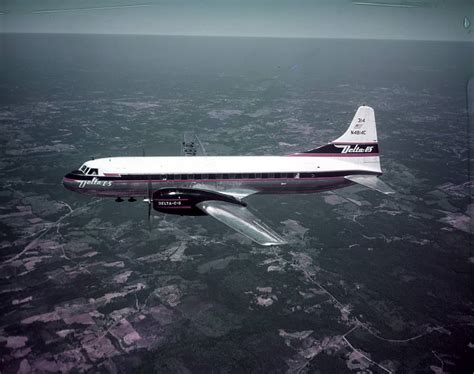
The late 1950s and 1960s were transformative years. Lufthansa’s launch of transatlantic service to New York marked a new era of prestige and reach. As the Jet Age dawned, the airline embraced the latest technology, incorporating aircraft such as the Boeing 707 and later the widebody 747 into its fleet.
By the 1970s and 1980s, Lufthansa had firmly cemented its position as a global carrier. Innovations such as business class, automated check-in, and global reservation systems set the stage for modern air travel. Lufthansa was no longer just a German airline; it was a symbol of Western aviation excellence.
The fall of the Berlin Wall in 1989 offered another historic moment: Lufthansa became the first German airline since 1945 to land in Berlin, a symbolic reunion mirroring the country’s political and social transformation.
Overcoming Crises: Resilience in the Modern Era
Lufthansa’s journey has not been free of turbulence. It has weathered multiple crises that threatened its very existence:
- 1970s oil shocks, which strained airline economics.
- Hijackings and terrorism, including the 1977 Lufthansa Flight 181 crisis.
- The post-9/11 travel downturn, leading to reevaluation of safety and security protocols.
- The 2008 global recession, which deeply impacted international travel.
- The COVID-19 pandemic, perhaps the most severe blow to modern aviation.
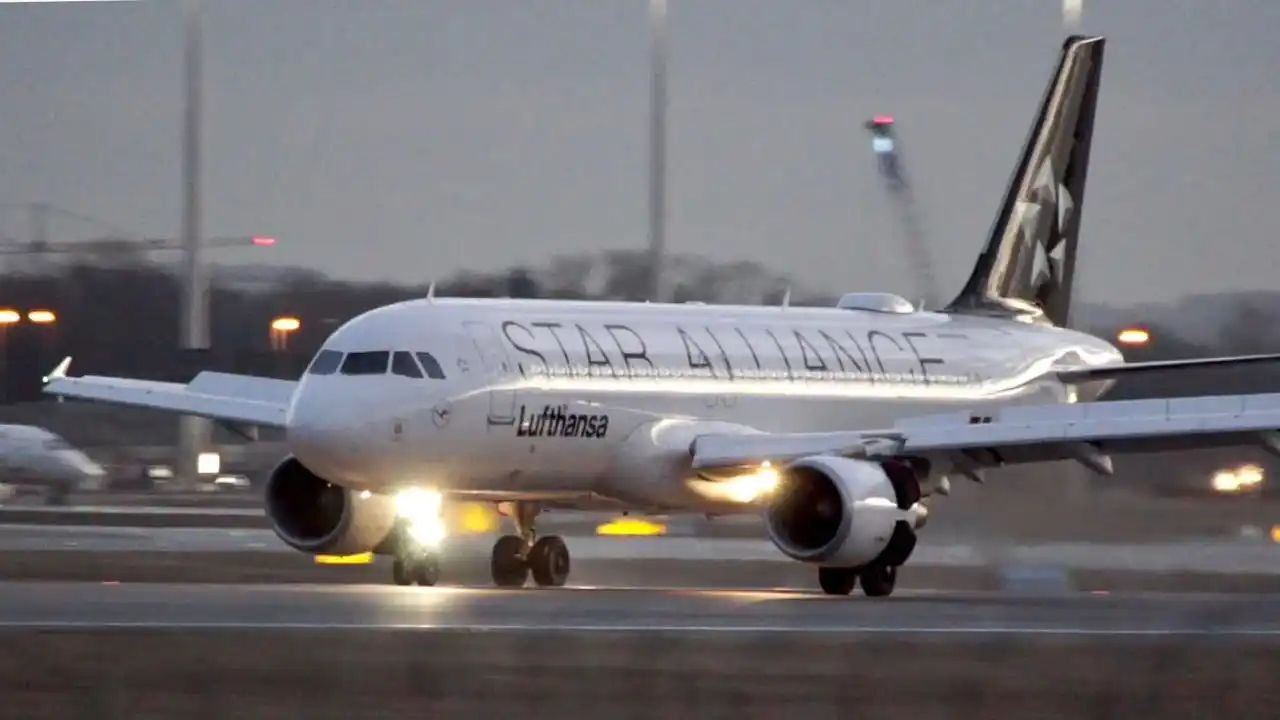
Yet, through each challenge, Lufthansa adapted. It spearheaded innovations in integrated travel, such as rail-air ticketing, and became a founding member of the Star Alliance in 1997, the world’s largest airline alliance, expanding its global network exponentially.
Centenary Celebrations: A Tribute to Legacy and Progress
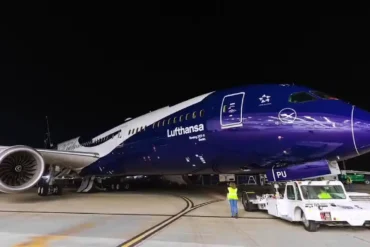
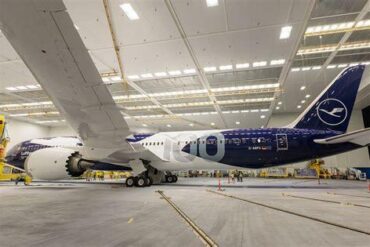
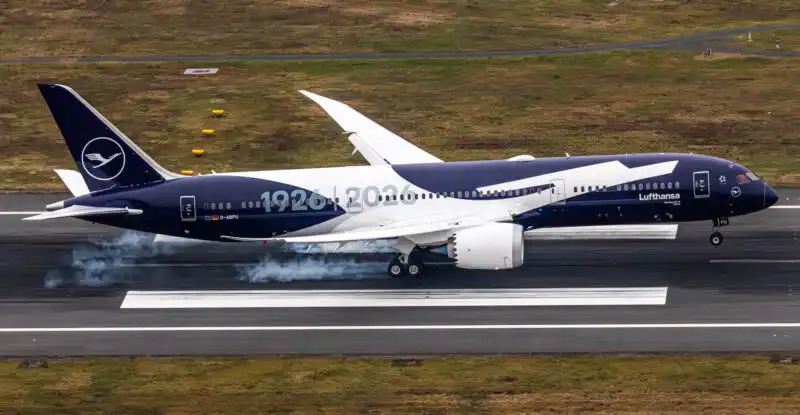
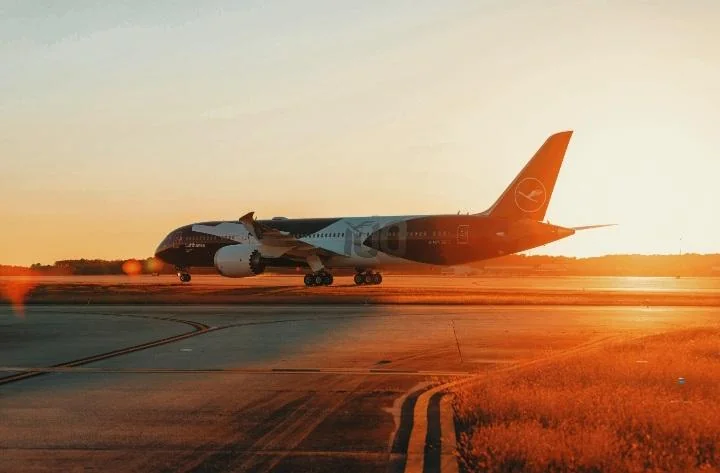
To mark this milestone year, Lufthansa has unveiled a centenary livery, adorning select aircraft—including the Boeing 787, Airbus A350, A380, and 747-8—with a dark blue fuselage and commemorative branding. These aircraft serve as flying ambassadors of Lufthansa’s history and aspirations.
A suite of centenary initiatives supports the celebrations:
- The motto “We are the Journey” reinforces the shared experience between employees, passengers, and stakeholders.
- Vintage aircraft have been restored for public display, offering a nostalgic look at aviation’s golden age.
- A history book, documentaries, and video series are being released, narrating Lufthansa’s evolution across generations.
- Events for staff and passengers alike are planned throughout 2026, merging celebration with reflection.
A Legacy of Reinvention: What Lufthansa’s 100 Years Truly Mean
Lufthansa’s centennial is not just a commemoration of longevity—it is a recognition of resilience, transformation, and national symbolism. The brand has not existed uninterrupted for 100 years, but its lineage, influence, and identity certainly stretch back that far. From its birth amid the optimism of interwar aviation, through the shadow of authoritarianism and the rubble of post-war collapse, to its rebirth as a modern global airline, Lufthansa has mirrored the rise, fall, and resurgence of modern Germany.
Its centenary invites not only celebration but introspection. The airline’s willingness to acknowledge past complicity while charting a progressive, inclusive future sets a meaningful precedent in corporate responsibility. The next 100 years will be shaped by sustainability, digital transformation, and the challenge of climate change—but Lufthansa enters its second century with a deeper understanding of where it’s been, and a bold vision of where it wants to go.