British Airways, the flag carrier of the United Kingdom, stands not only as a powerhouse of aviation but also as a central figure in the evolution of global air travel. Rooted in a legacy of pioneering spirit, it has continually redefined standards of excellence, connectivity, and customer service. Today, it operates as a vital member of the International Airlines Group (IAG), shaping the industry with its scale, innovation, and storied heritage.
The Formation and Rise of British Airways
The history of British Airways is deeply entwined with the development of modern commercial aviation. Officially formed on 31 March 1974, British Airways emerged from the consolidation of British Overseas Airways Corporation (BOAC), British European Airways (BEA), Cambrian Airways, and Northeast Airlines. This merger was a strategic move that responded to decades of stagnation in British aviation caused by bureaucratic deadlock and post-war restructuring.
Despite initial resistance and operational inefficiencies, the unification under a single British Airways brand brought about a new era of British aviation, reflecting a government-backed initiative to consolidate the country’s air transport resources. With its headquarters near London Heathrow Airport, the airline was set for a trajectory that would redefine global air travel.
Pinnacle of Innovation: The Concorde Era
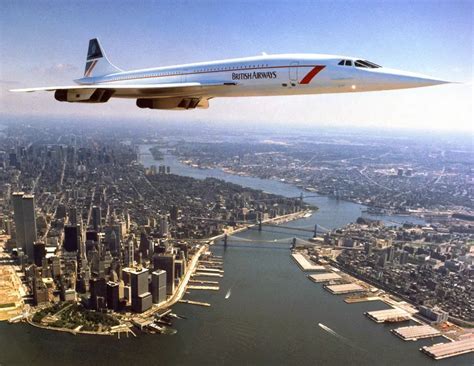
One of the most glamorous chapters in British Airways’ timeline began in 1976, when it commenced supersonic Concorde flights in partnership with Air France. This initiative placed British Airways at the forefront of high-speed transatlantic travel. Its first U.S. Concorde flights landed in Washington D.C. and New York City, symbolizing an engineering marvel that shortened intercontinental travel to just over three hours.
However, the Concorde was more than a feat of speed; it was a symbol of prestige and cutting-edge British technology. Despite its retirement in October 2003, due to rising operational costs and diminishing profitability, the Concorde solidified British Airways’ image as a bold, boundary-pushing airline.
Privatisation and Expansion
Under the stewardship of Lord King of Wartnaby, British Airways underwent one of its most transformative periods. Between 1981 and 1987, the airline was prepared for privatisation as part of the Thatcher government’s broader economic strategy. In February 1987, it officially became a publicly traded company, a move that catalyzed a wave of strategic acquisitions and fierce competition.
That same year, British Airways acquired British Caledonian, further strengthening its position as the dominant player in UK air travel. Despite setbacks such as the 1993 libel case involving Virgin Atlantic, which cost the airline both reputation and financial penalties, British Airways emerged resilient and driven.
International Alliances and the Birth of IAG
In the decades that followed, British Airways demonstrated a visionary approach to global partnerships and alliances. Notably, it played a central role in the 1999 founding of Oneworld, a major global airline alliance that today includes American Airlines, Qantas, Cathay Pacific, and over 20 other international carriers.
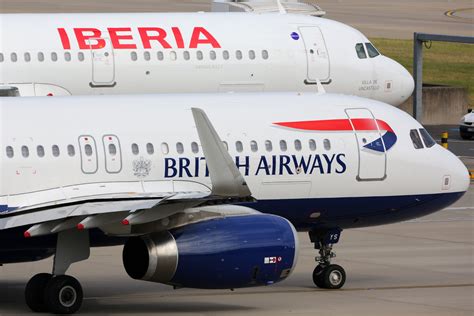
Strategic ventures such as its 25% stake in Qantas, the short-lived but significant British Asia Airways, and the launch of Go Fly, a low-cost subsidiary, exemplified BA’s experimental and growth-oriented ethos. In January 2011, a historic merger with Spanish carrier Iberia formed International Airlines Group (IAG), now among the top three airline conglomerates by revenue.
Resilience Through Crisis and Rebuilding
British Airways, like all major carriers, has weathered storms—from terrorist threats to economic downturns and technological failures. The May 2017 IT meltdown, which grounded hundreds of flights and stranded thousands of passengers, was a stark reminder of the operational vulnerabilities facing even elite carriers.
However, no event tested the airline more than the COVID-19 pandemic. The crisis decimated air travel demand, forcing British Airways to lay off 12,000 employees, retire its iconic Boeing 747-400 fleet, and drastically restructure its business model. Yet, by 2023, the airline rebounded with a £14.3 billion revenue and 43 million passengers, signalling a recovery marked by adaptability and strategic reform.
Modern Operations and Hubs
British Airways holds a UK Type A Operating Licence, enabling it to carry passengers, cargo, and mail globally. Its main hub at Heathrow Terminal 5 handles the bulk of its operations, while Gatwick and London City Airport serve as crucial supplementary bases. The Waterside HQ, inaugurated in 1998, serves as the nerve center for global operations.
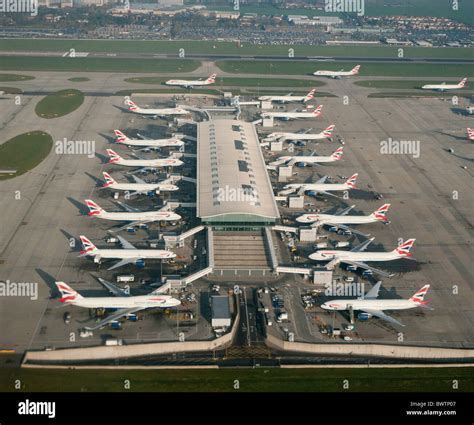
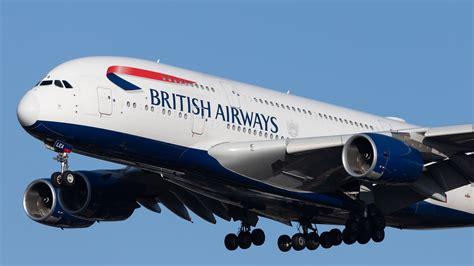
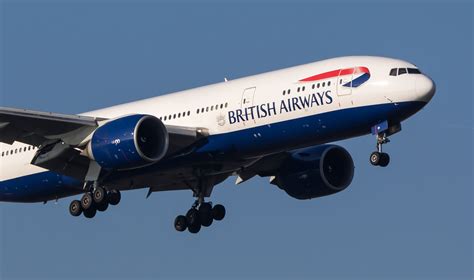
The airline’s current fleet of 274 aircraft—including the Airbus A350, A320neo family, and Boeing 777 and 787 Dreamliners—underscores its commitment to modernity, sustainability, and performance. With 42 new aircraft on order, the airline aims to reduce emissions and enhance customer experience.
British Airways Engineering and Maintenance
A cornerstone of British Airways’ reliability lies in its extensive engineering infrastructure. The airline performs line maintenance at over 70 airports and maintains heavy overhaul facilities in Glasgow and Cardiff. Through entities like BA Engineering, the airline ensures the highest safety standards, which are essential for passenger trust and regulatory compliance.
Brand Evolution and Cultural Identity
British Airways’ branding has long been a marriage of tradition and modernity. Its iconic campaign music, “The Flower Duet” from Lakmé, used since 1984, remains synonymous with British elegance. Slogans such as “The World’s Favourite Airline” and “To Fly, To Serve” have projected a consistent image of premium service.
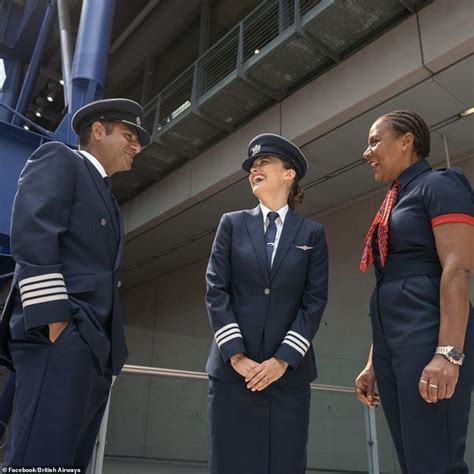
In 2023, the airline unveiled a striking uniform redesign and launched a new campaign titled “A British Original”, created by Uncommon Creative Studio. These efforts, rooted in nostalgia yet future-facing, seek to reignite emotional connections with passengers and reassert BA’s relevance in a fiercely competitive marketplace.
Cabin Experience and Customer Offerings
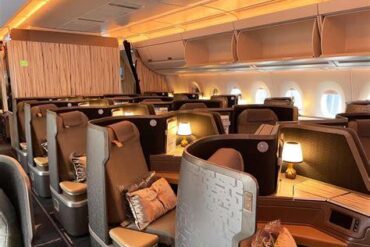
British Airways offers a multi-tiered travel experience to meet diverse customer expectations. On short-haul routes, passengers can choose between Euro Traveller (economy) and Club Europe (business class). On long-haul journeys, the airline provides a range of offerings:
- World Traveller Plus (Premium Economy)
- Club World (Business Class) with lie-flat beds
- First Class, offering private suites and 6’6” beds on select aircraft, including the A380, 777-300ER, and 787-9/10
Meal partnerships, such as buy-on-board options by chef Tom Kerridge, and fleet-wide Wi-Fi (available on 90% of aircraft by 2020), demonstrate a focus on personalisation and luxury.
Loyalty and Membership: The British Airways Club
Formerly known as the Executive Club, the newly rebranded British Airways Club (as of April 2025) represents a strategic update to the airline’s frequent flyer programme. Members collect Avios points and tier credits with thresholds of Bronze (3,500), Silver (7,500), and Gold (20,000).
This loyalty programme is not merely transactional but designed to create long-term brand affinity. Benefits range from priority boarding and extra baggage allowance to lounge access and upgrade vouchers.
Labour Relations and Leadership Dynamics
Industrial relations have played a pivotal role in British Airways’ corporate identity. The airline has weathered numerous labour disputes, including the 1997 cabin crew strikes, the 2005 Gate Gourmet crisis, and a prolonged Mixed Fleet strike (2016–2017) that lasted 85 days.
British Airways’ current CEO and Chairman, Sean Doyle, appointed in October 2020, has emphasized transformational leadership rooted in customer focus, digital investment, and net-zero commitments. Under his guidance, the airline is poised to navigate challenges such as sustainability mandates, digital disruption, and evolving customer expectations.
Looking Ahead: Sustainability and Future Strategy
With aviation facing mounting pressure to decarbonize, British Airways has committed to net-zero carbon emissions by 2050. Steps toward this include the early retirement of older aircraft, investment in sustainable aviation fuel (SAF), and participation in global carbon offset programs.
British Airways is also doubling down on digital transformation, enhancing booking systems, contactless travel, and AI-powered customer service—initiatives aimed at streamlining operations and elevating the passenger experience.
Conclusion
British Airways is not merely an airline—it is a British institution and a global brand with unmatched influence. From Concorde’s sonic booms to its role in forming IAG, BA has consistently shaped the future of air travel. As it steers through an era of recovery, reinvention, and resilience, British Airways remains a beacon of excellence in aviation, proud of its past and prepared for a bold future in the skies.