Aeroflot’s Origins and Early Development
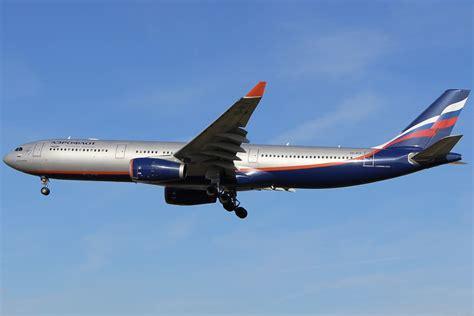
Aeroflot, officially known as PJSC Aeroflot – Russian Airlines, stands as one of the world’s oldest and most recognized airlines. Its roots trace back to the early days of Soviet civil aviation, a period marked by rapid technological advancement and state-driven infrastructure growth. The foundation for this iconic carrier was laid on 25 February 1932, when the Soviet Union officially adopted the name Aeroflot for its Civil Air Fleet, unifying various regional aviation services into a centralized national carrier. This consolidation marked the beginning of a legacy that would span nearly a century, characterized by both remarkable achievements and significant challenges.
The groundwork for Aeroflot’s creation, however, began much earlier. The Soviet government established Glavvozdukhflot in 1921 to oversee air transportation, and in 1923, the Dobrolyot Society was formed to further develop domestic air services. Initially capitalized at 2 million gold rubles, this enterprise aimed to connect the vast and often remote territories of the USSR, providing crucial links for mail, cargo, and passenger services. By the late 1920s, Dobrolyot had expanded its operations significantly, setting the stage for Aeroflot’s eventual emergence as a global powerhouse.
The Formative Years: From Dobrolyot to Aeroflot
The Dobrolyot era (1923–1932) laid the technological and operational foundations for Aeroflot’s rise. By 1925, the airline had conducted over 2,000 flights, covering more than a million kilometers and carrying 14,000 passengers along with 127,500 kg of freight. This rapid expansion was made possible by the enthusiastic support of Soviet citizens, who collectively held 25,000 shares in the company, gaining access to discounted air travel as shareholders.
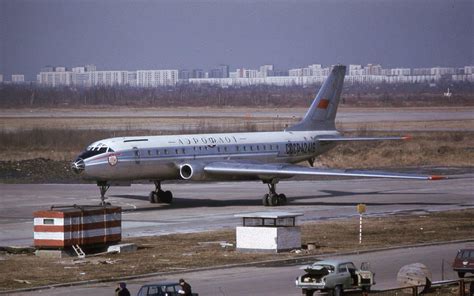
When Aeroflot officially replaced Dobrolyot in 1932, it inherited not only a growing network of domestic routes but also the logistical frameworks necessary for large-scale air transport. The new state airline rapidly expanded its reach, building extensive networks across the vast Soviet territory and establishing connections to Western Europe. By the late 1930s, Aeroflot’s network had grown to cover over 93,000 kilometers, reflecting the Soviet Union’s growing industrial might and political ambitions.
Wartime Operations and Strategic Growth
World War II presented both immense challenges and unprecedented opportunities for Aeroflot. As the conflict intensified, the airline became a critical component of the Soviet war effort, transporting troops, supplies, and critical personnel to the frontlines. Aeroflot’s wartime achievements were staggering, including the transportation of over 1.5 million soldiers and 122,000 tonnes of cargo during the conflict, often under extremely hazardous conditions.
Aeroflot’s pilots and crews participated in some of the most critical air operations of the war, including the famous Stalingrad airlift, which played a crucial role in the eventual Soviet victory. Despite the destruction wrought by the war, the airline emerged from the conflict with an even stronger infrastructure, ready to resume its peacetime role as the USSR’s premier air carrier.
The Cold War and the Jet Age
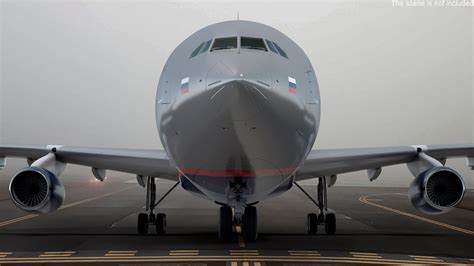
Following World War II, Aeroflot entered a period of rapid modernization and expansion. The introduction of turboprop and jet aircraft like the Ilyushin Il-12 (1947) and the pioneering Tupolev Tu-104 (1956) transformed Aeroflot into the world’s first airline to offer sustained jet services. By the mid-1960s, Aeroflot operated the largest fleet in the world, serving a sprawling network that spanned over 400,000 kilometers and reached five continents.
The 1970s and 1980s were marked by further innovation, including the introduction of the Tupolev Tu-144, the world’s first supersonic passenger jet, and the Ilyushin Il-62, which extended the airline’s long-haul capabilities. By 1970, Aeroflot’s network had grown to cover over 600,000 kilometers, serving more than 3,500 destinations and carrying millions of passengers annually.
Post-Soviet Transformation and Modern Challenges
The collapse of the Soviet Union in 1991 forced Aeroflot to reinvent itself as a competitive global airline. This period saw the dramatic downsizing of its fleet and network, as the once-massive carrier split into over 400 smaller regional airlines, collectively known as Babyflots. Despite these setbacks, Aeroflot restructured as a joint-stock company, retained its iconic branding, and gradually rebuilt its international presence.
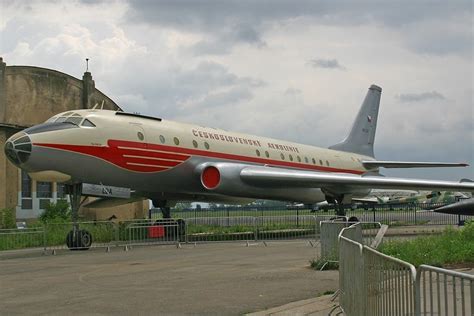
By the early 2000s, Aeroflot had transitioned to a modern, Western-manufactured fleet, including Airbus and Boeing models, and joined the SkyTeam alliance in 2006. This strategic shift enabled the airline to expand its global footprint, diversify its service offerings, and modernize its customer experience, positioning itself as a significant player in the global aviation market once more.
Recent Developments and Future Prospects
In recent years, Aeroflot has faced significant challenges, including Western sanctions and geopolitical tensions that have complicated its international operations. In response, the airline has pivoted towards domestically produced aircraft, including the promising Yakovlev MC-21, which is expected to become a cornerstone of its fleet by 2025/26.
Despite these hurdles, Aeroflot remains a key component of Russia’s transportation infrastructure, carrying millions of passengers annually and maintaining a strong domestic and international presence. With a renewed focus on efficiency, safety, and customer service, Aeroflot continues to adapt to the rapidly changing landscape of global aviation.