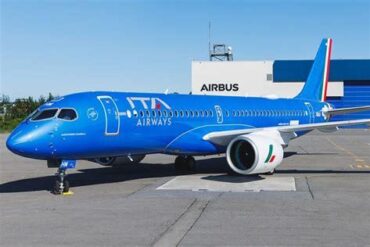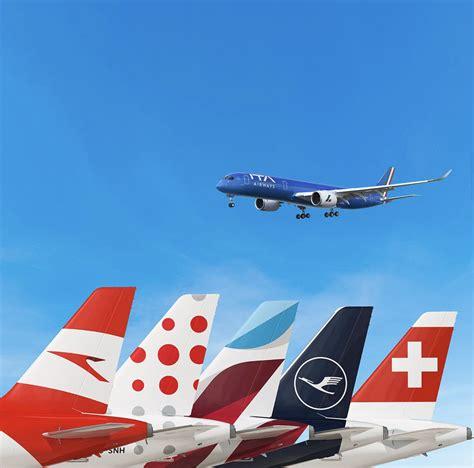
The global aviation landscape is witnessing a strategic deepening of intercontinental ties as ITA Airways and the Lufthansa Group prepare to launch a significant expansion of their codeshare agreement. Beginning July 1, 2025, this initiative introduces new seamless routes from Italy, Germany, Belgium, and Ethiopia to Kenya, with Nairobi as the inaugural African hub. This marks a bold step toward building a more integrated European-African air corridor, leveraging key airports like Frankfurt, Brussels, Rome, and Milan to serve one of Africa’s most dynamic cities.
A Strategic Leap into the African Market
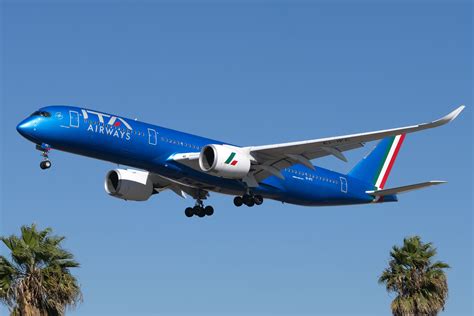
The launch of these new codeshare routes underscores the ambitious international growth strategy of ITA Airways, the successor to Alitalia. With Nairobi—Kenya’s capital and a vital East African economic center—as the first destination in this expansion, ITA Airways is making clear its intention to become a key player in transcontinental travel.
The partnership allows passengers to book long-haul journeys on a single ticket, ensuring unified baggage policies and eliminating the inconveniences often associated with multi-leg, multi-airline itineraries. Travelers originating from Italy can now connect to Kenya via Lufthansa Group’s strongholds in Germany and Belgium, specifically Frankfurt Airport (FRA) and Brussels Airport (BRU), providing a streamlined gateway to Africa.
Enhanced Connectivity Through Inter-European Hubs
The newly forged routes function primarily through strategic intermediary hubs. ITA Airways flights from Rome Fiumicino (FCO) and Milan Malpensa (MXP) will connect to Lufthansa or Brussels Airlines-operated flights to Jomo Kenyatta International Airport (NBO) in Nairobi. The AZ code—ITA Airways’ flight identifier—will appear throughout the itinerary, allowing for uninterrupted service and passenger recognition across partner-operated segments.
This route strategy aligns closely with models successfully adopted by other African and European carriers. Kenya Airways’ previous Geneva services and Ethiopian Airlines’ connections via Brussels and Scandinavia offer precedent for such hybrid direct-indirect long-haul structures. These examples demonstrate the viability of multi-hub transcontinental routing, especially in regions experiencing rapid aviation growth.
Nairobi: A Rising African Powerhouse
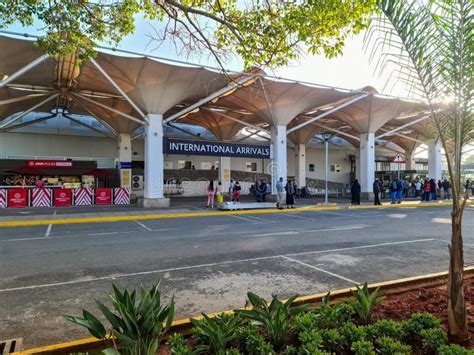
Nairobi is more than just a tourist entry point; it is East Africa’s commercial and diplomatic heart. Home to regional headquarters of global corporations and international institutions—including the United Nations Environment Programme (UNEP)—Nairobi serves as a vital operational center. The city is witnessing rapid infrastructural and economic development, making it an appealing target for airlines looking to grow their African footprint.
The codeshare launch aligns well with this momentum. For European travelers, Nairobi offers access not only to safari destinations and national parks but also to a bustling urban economy with a robust demand for business travel. For Africans in the diaspora or diplomatic community, particularly in Germany, Italy, and Belgium, the new routes offer increased accessibility to home regions and institutional missions.
ITA Airways’ Strategic Ascent Under Lufthansa Group
Since joining the Lufthansa Group, ITA Airways has shifted toward becoming a fully integrated component of the group’s international network. The Nairobi launch signals not only market expansion but also operational maturity. It reflects a broader vision of transforming Italy’s national carrier into a long-haul competitor that can rival larger European counterparts.
This partnership also enables resource pooling, from aircraft utilization to personnel training and airport services. It fosters a model where economies of scale can be achieved across a diversified geographic reach. The Nairobi codeshare illustrates this model’s application in high-growth markets, potentially serving as a template for future launches in Sub-Saharan Africa.
Codeshare Convenience: One Ticket, Multiple Countries
The benefits for travelers go beyond just new destinations. Passengers can expect:
- Unified ticketing and baggage from origin to destination
- Streamlined check-in and transfer procedures at hubs like Frankfurt and Brussels
- Reward points accumulation across airline loyalty programs
- Consistent service standards, thanks to harmonized operational protocols
This ease of travel is expected to boost tourism, diaspora visits, and corporate travel, catering to a wide spectrum of passengers from leisure seekers to NGO personnel and investors. The promise of seamless journeys across continents transforms the codeshare from a logistical tool into a facilitator of global mobility.
Kenya as a Regional Aviation Nexus
Kenya has long positioned itself as a bridge between East Africa and the rest of the world. With infrastructure projects such as the expansion of Nairobi’s JKIA and modernization of Mombasa’s Moi International Airport, the country is well-poised to serve as a key aviation hub.
The possibility of extending the codeshare to Mombasa in future phases of the agreement would add significant value, tapping into the coastal city’s thriving tourism industry, maritime commerce, and cultural tourism. Whether it’s white sand beaches or Swahili heritage tours, Mombasa offers unique experiences rarely paralleled in other African destinations.
Future Prospects and Market Monitoring
ITA Airways and Lufthansa Group are approaching this expansion with cautious optimism. Market response to the new Nairobi routes will be closely watched, with potential for direct flights from Frankfurt to Nairobi or even Rome to Nairobi under consideration. Scheduled stopovers in Milan and Rome could become regular segments if demand justifies operational scaling.
The post-pandemic surge in African tourism, rising GDPs across the continent, and growing Europe-Africa diplomatic collaboration create fertile ground for such route expansion. The Nairobi launch represents the foundation of what could soon evolve into a broader East African network, offering access to markets like Uganda, Tanzania, and Rwanda through codeshare extensions or direct launches.
Diplomatic and Commercial Ramifications
This initiative also plays a quiet but pivotal role in international diplomacy. Easier access between Europe’s political centers—Brussels, Berlin, and Rome—and African capitals can foster bilateral trade, development programs, and institutional collaboration. For instance, easier travel for NGO staff, researchers, and political delegations between UNEP in Nairobi and the European Commission in Brussels adds value beyond ticket sales.
Additionally, the enhanced connectivity could serve African students and professionals living in Europe, particularly in countries like Belgium and Italy, who often face convoluted travel options when returning home.
A New Chapter for Euro-African Air Travel
Ultimately, the codeshare between ITA Airways and Lufthansa Group is more than a business agreement—it is a symbol of renewed Euro-African ties. As air travel emerges stronger after the global downturn, partnerships like these signify how airlines can cooperate to unlock under-served regions, empower mobility, and nurture economic opportunity across continents.
The Nairobi launch opens a new chapter, not just for ITA Airways and Lufthansa Group, but for a more connected and equitable aviation future between Europe and Africa.