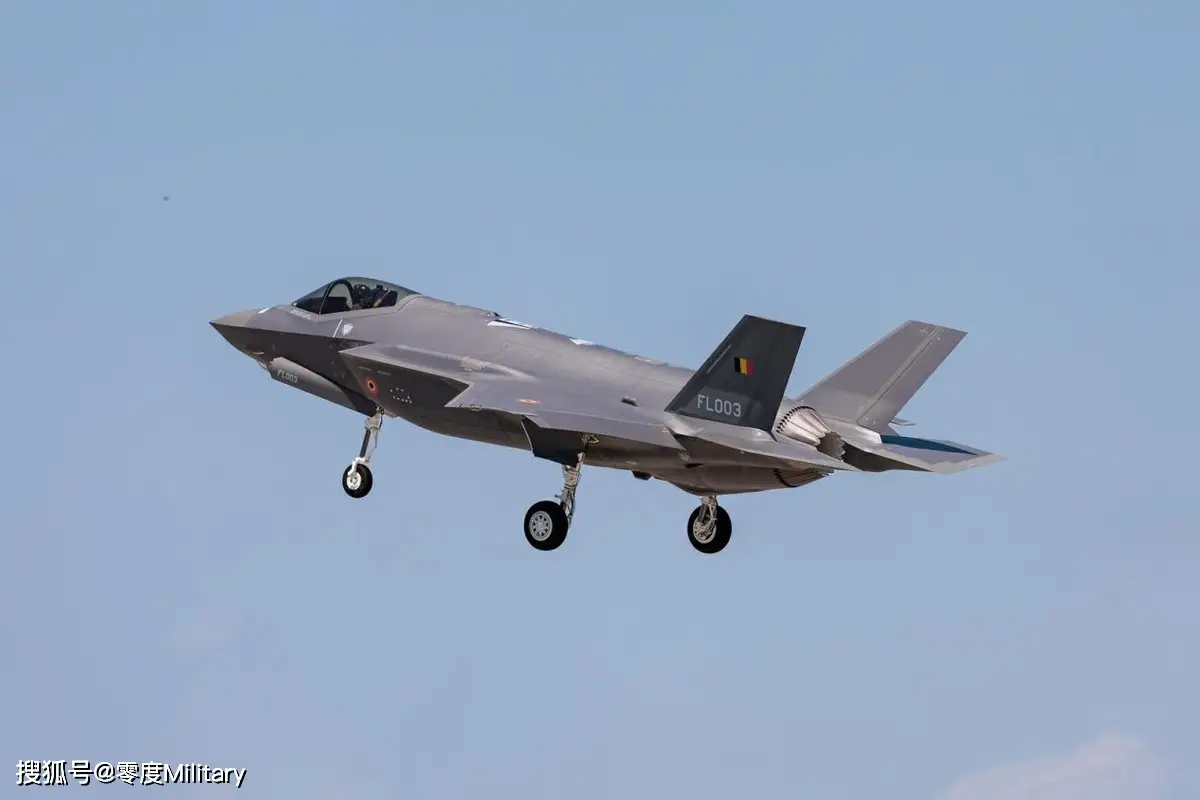
The F-35 fighter jet acquisition by Belgium has been a subject of intense discussions and strategic significance within the context of NATO and European defense. In 2018, Belgium made the pivotal decision to replace its aging fleet of F-16 fighters with the advanced F-35A Lightning II stealth aircraft, marking a significant shift in its defense strategy. This article explores the key elements of this procurement, its technological upgrades, challenges faced during delivery, the economic implications, and the broader geopolitical impacts.
Procurement Background and Decision
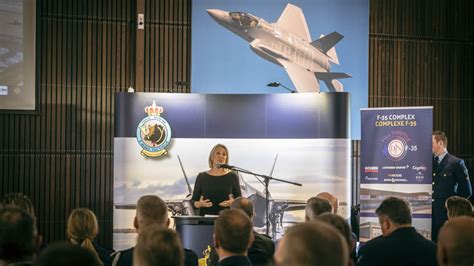
In 2018, Belgium’s government officially announced the decision to procure 34 F-35A Lightning II jets, a strategic move aimed at modernizing the country’s air capabilities. The total contract value reached $6.53 billion, covering not just the aircraft, but also backup engines, simulators, and personnel training. This acquisition was part of Belgium’s broader effort to maintain interoperability with NATO allies, ensuring that its forces could operate seamlessly within NATO frameworks.
Belgium’s decision to opt for the F-35 over competing models like the European Eurofighter Typhoon and Dassault Rafale was primarily driven by the need to align with NATO’s standardized equipment. The aircraft’s advanced features, including stealth capabilities, next-generation sensors, and networked warfare capabilities, were critical to enhancing Belgium’s air combat effectiveness in the evolving geopolitical environment.
Technological Specifications and Upgrades
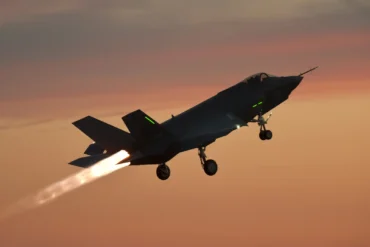
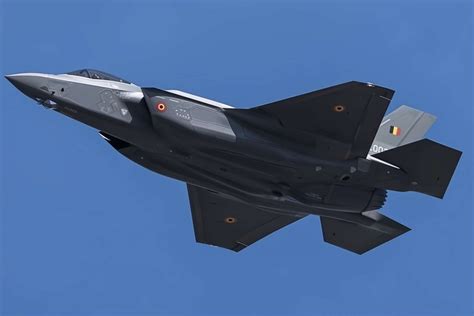
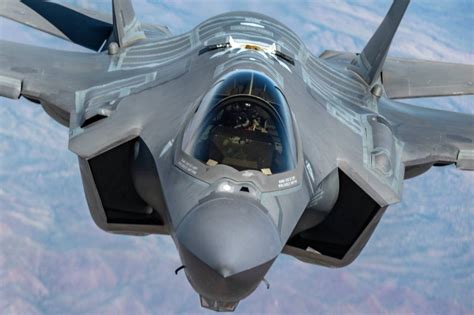
The F-35A version acquired by Belgium is the latest Block 4 configuration, which represents the pinnacle of the F-35’s operational capabilities. This version incorporates several significant upgrades, particularly in terms of stealth technology, electronic warfare systems, and multisource data fusion capabilities.
Key Technological Enhancements:
- Enhanced Stealth Features: The F-35 Block 4 aircraft features advanced radar-absorbing materials and design modifications that significantly improve its radar cross-section, ensuring that it can operate undetected in hostile environments.
- Electromagnetic Spectrum Operations: The upgraded electronic warfare (EW) suite enhances the F-35’s ability to counter enemy radar and communications systems, offering superiority in contested airspaces.
- Multisource Data Fusion: The integration of data from multiple sensors and sources improves the aircraft’s situational awareness, allowing pilots to make more informed decisions in real-time combat scenarios.
These upgrades make the F-35A Block 4 not just an improvement over earlier models but a near sixth-generation aircraft, with capabilities that bridge the gap between current-generation stealth fighters and the upcoming generation of aerial platforms.
Delivery Progress and Challenges
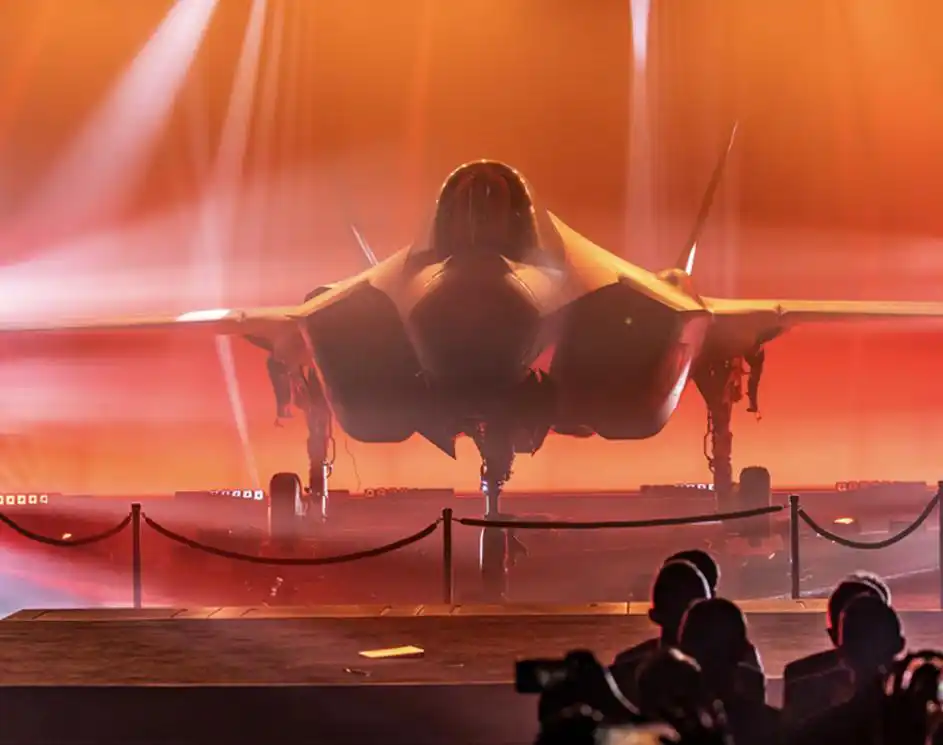
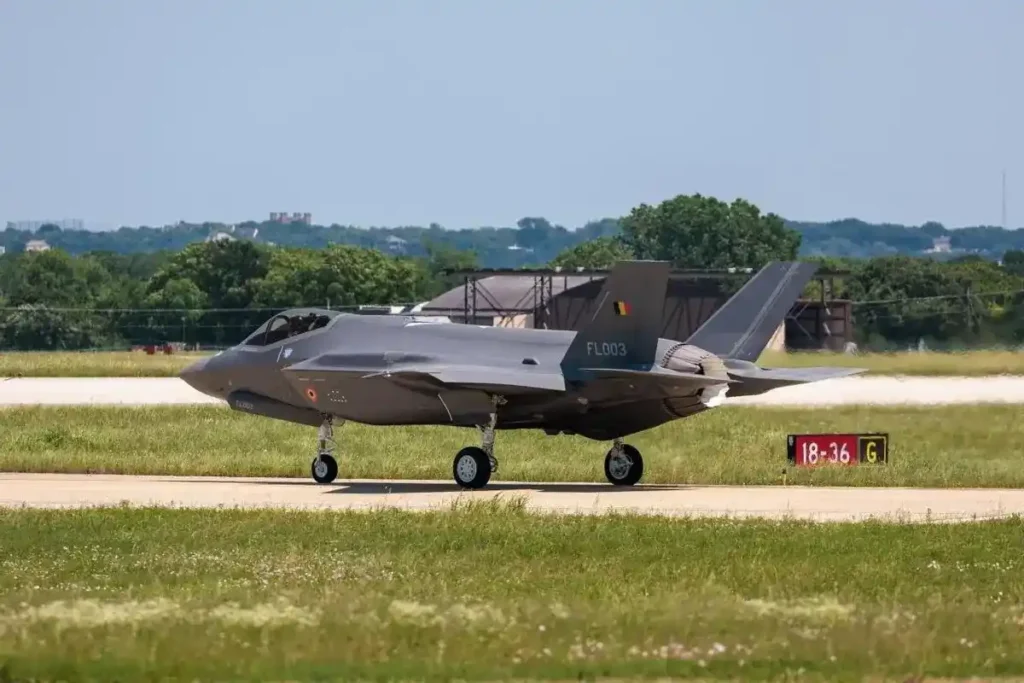
The delivery of Belgium’s F-35s has been an eventful journey, with several hurdles hindering the timeline initially set by the Belgian government. The first F-35A (serial number AY-01) was completed in December 2023 at the Lockheed Martin facility in the United States, followed by its first flight in May 2024 (marked as AY-03). The aircraft is expected to arrive in Belgium by 2025, with the remaining jets to be delivered progressively by 2030.
Delays and Setbacks:
Belgium had initially anticipated receiving four aircraft per year starting from 2023. However, several factors delayed the delivery schedule:
- Global Pandemic Impact: The COVID-19 pandemic led to significant disruptions in production and supply chain logistics, affecting global defense manufacturing schedules.
- TR-3 Upgrade Delays: The TR-3 upgrade (a major hardware and software enhancement) caused additional delays, as these updates were critical for Belgium’s specific operational requirements.
- Technical Defects: Belgium experienced issues with software glitches and scheduling conflicts, leading to a temporary refusal to accept two of the aircraft in August 2023. These technical challenges underscore the complex nature of integrating such advanced systems into operational service.
Despite these setbacks, as of April 2025, Belgium has received the first batch of eight F-35As, and the remaining aircraft are expected to be delivered progressively by the end of the decade.
Financial Implications and Economic Impact
The initial budget for the F-35 procurement was set at €3.6 billion ($4 billion). However, as the project progressed, the total cost surged to approximately $6.53 billion. The primary factor behind this budget increase was the expansion of the procurement package, including the purchase of spare parts, training, and simulator equipment. Additionally, Belgium’s fiscal challenges in achieving the projected return on investment from maintenance and repair contracts have led to concerns regarding the economic sustainability of this purchase.
Cost Recovery and Long-Term Projections:
Belgium initially anticipated that the maintenance contracts would provide an economic return, projecting €700 million ($755 million) in future revenues. However, this figure fell short of expectations, with revenues estimated at just €700 million (less than 20% of the projected return). Nevertheless, Belgium is optimistic that the long-term partnership with Lockheed Martin will yield a further €2.7 billion ($2.9 billion) over the next 40 years, although this too is seen as insufficient to fully recover the initial procurement costs.
In this context, Belgium’s defense strategy has come under scrutiny, with Minister of Defense Ludivine Dedonder emphasizing the need for increased national defense spending to meet NATO’s target of 2% of GDP. The purchase of the F-35s is seen as a vital step in reaching this target, as Belgium looks to modernize its air forces and enhance its overall military capability.
Strategic and Geopolitical Considerations
Belgium’s choice of the F-35 over other European alternatives such as the Dassault Rafale and Eurofighter Typhoon has sparked significant debate, especially among those advocating for a more independent European defense posture. The decision reflects Belgium’s prioritization of NATO interoperability over pursuing a more autonomous national defense strategy.
NATO and European Cooperation:
By procuring the F-35, Belgium aligns itself with NATO’s standardization goals. This enables greater interoperability with key NATO allies like the United States, the Netherlands, and Norway, who also operate the F-35. Furthermore, Belgium benefits from shared maintenance and logistics infrastructure, reducing the overall cost of upkeep and strengthening European defense ties.
However, the decision also highlights the growing reliance on the United States for advanced military technology, raising concerns about potential vulnerabilities in the future. Some European nations, like Portugal, have already raised alarms about the risks of U.S. technology control over critical aspects of military operations, including software and navigation data.
Conclusion: A Key Component of Belgium’s Future Defense Strategy
The F-35 procurement is a defining element in Belgium’s military modernization program. Despite facing cost overruns, technical delays, and concerns over European defense autonomy, the acquisition remains central to enhancing Belgium’s air combat capabilities. By integrating the F-35A, Belgium positions itself as a strong partner within NATO’s strategic framework, ensuring it can operate effectively alongside its allies in the face of evolving global security threats.
While the path to full operational deployment has been fraught with challenges, Belgium’s commitment to strengthening its air deterrence capabilities through the F-35 continues unabated, even as it seeks to address the long-term economic and geopolitical implications of its procurement strategy.
FAQs
What led Belgium to choose the F-35 over European alternatives?
Belgium chose the F-35 primarily due to the need for NATO interoperability. While European alternatives like the Rafale and Eurofighter Typhoon offered competitive capabilities, the F-35’s advanced stealth features, networked warfare systems, and alignment with NATO standards were decisive factors in Belgium’s decision.
What were the key technological upgrades included in Belgium’s F-35 purchase?
Belgium’s purchase includes the F-35 Block 4 variant, which features enhancements like improved stealth capabilities, electronic warfare systems, and multisource data fusion for superior situational awareness, making it a highly advanced aircraft compared to earlier versions.
How has Belgium addressed the cost overruns and delays in the F-35 program?
Despite initial budget estimates of €3.6 billion, Belgium faced cost overruns, bringing the total procurement value to $6.53 billion. Delays in delivery were caused by global supply chain disruptions and technical challenges, but the government remains committed to receiving all 34 F-35s by 2030.