When the final morning of a hotel stay arrives, many travelers face a subtle but significant decision: do we officially check out, or simply walk away? This deceptively simple question reveals a variety of operational, financial, and ethical considerations that influence our behavior as responsible and savvy guests.
Understanding Modern Check-Out Norms
In the United States, the convenience of modern hotel systems often renders the traditional check-out ritual obsolete. Since most hotels pre-authorize a guest’s credit card at check-in for the full expected amount, it’s entirely feasible to walk out without speaking to a front desk agent. Upon departure, charges are finalized, receipts are emailed, and no physical interaction is required.
However, this is not a universal standard. In many international destinations, especially in regions like Europe, Asia, or the Middle East, checking out is still expected and often necessary. Hotels may require a final in-person review of the charges or a fresh swipe of your credit card to comply with local regulations or internal accounting standards.
The Practical Benefits of Checking Out
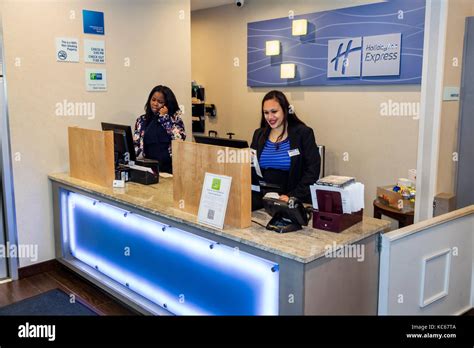
Even in countries where it’s technically permissible to leave without notice, stopping by the front desk is often a wiser move. We prioritize this step for several compelling reasons:
First and foremost, it provides the opportunity to review the folio—the complete list of charges incurred during your stay. Mistakes happen frequently in the hospitality industry. Whether it’s minibar charges you never made, breakfast fees that should’ve been comped, or erroneous resort fees, discrepancies are easier to resolve in person than via email or phone days later. This is especially important if you’re staying on a corporate rate, using loyalty benefits, or were offered property credits during your booking.
Hotel apps are getting better. For instance, Hyatt’s mobile app now shows a live breakdown of charges in real time. This helps guests catch errors even before departure. Yet, not all chains or properties are as digitally advanced.
Housekeeping & Operational Efficiency
Beyond finances, there’s a compelling operational courtesy angle. By letting the hotel know you’ve departed, you’re doing your part to improve the housekeeping flow. When guests simply vanish, room attendants must guess who has checked out. This often leads to time-consuming door-knocking and hallway confusion, ultimately delaying the cleaning and preparation of rooms for incoming travelers.
Most hotels today offer convenient check-out options, including drop boxes for room keys, in-app notifications, and express check-out slips under your door. Using any of these helps streamline operations and contributes to better service for others.

When It’s Reasonable to Just Leave
There are exceptions, of course. We occasionally forego a formal check-out under specific conditions:
- If the hotel has already emailed our folio, and we’ve confirmed all charges are accurate.
- If the front desk is overwhelmed, with long lines and minimal staff.
- If we’re rushing to catch an early flight or a scheduled hotel shuttle.
In such moments, the practicality of skipping check-out may outweigh its potential drawbacks. However, it’s critical to ensure that your card on file is valid, and that you’ve received proof of your departure for expense reporting, if needed.
The Courtesy Culture of Hospitality
We believe hospitality is a two-way street. Hotels serve us with comfort and convenience, and in return, we can uphold basic gestures of respect and professionalism. Letting staff know you’ve left—especially when they’ve provided exceptional service—enhances the overall guest experience ecosystem.
This is particularly important for boutique hotels, luxury resorts, or properties with limited automation. In such places, check-out isn’t just transactional—it’s relational. It’s the final moment to express thanks, resolve issues, or even secure loyalty perks for your next stay.

Digital Tools Are Changing the Game
The hospitality tech landscape is evolving quickly. Many hotel chains now offer digital key returns, mobile folios, and even text-based communication with the front desk. These innovations mean that we can fulfill the spirit of checking out—confirming charges, informing departure, and returning keys—without standing in line.
Still, not every property is equipped with such tools. Many independent hotels or international lodgings lag in digital maturity. That’s why it remains vital to assess each scenario individually rather than applying a blanket behavior.
Final Thought: Make the Smart, Courteous Call
We advocate for a balanced and situational approach to hotel check-outs. In high-tech, U.S.-based chains with robust digital infrastructure, it’s reasonable to leave without fanfare—assuming you’ve checked your charges and returned your key. Yet in international settings or when complications arise, stopping at the front desk is both strategic and respectful.
Checking out helps you avoid billing disputes, supports hotel staff, and closes the loop on your stay with clarity. Skipping the process may save a minute, but it can lead to greater headaches—or missed opportunities—later. We find that taking those extra 90 seconds at the end of a hotel stay is almost always worth it.
So, the next time you’re tempted to walk out the door without a second thought, ask yourself: what’s the smart, courteous thing to do in this situation? Your future self—and the next guest checking into your room—may thank you.