Whether you’re checking in on an airline’s mobile app, using an airport kiosk, or speaking with an agent at the counter, you’ve probably seen a tempting offer to upgrade to first class. Sometimes it’s surprisingly affordable, while other times the price rivals the cost of a brand-new ticket. This wide range often leaves travelers asking the same question: How much does it cost to upgrade to first class at check-in?
The answer isn’t fixed because airlines use sophisticated revenue management systems that continuously adjust upgrade pricing based on demand, remaining premium seats, route popularity, seasonality, and even historical booking behavior. A short domestic flight may offer a first-class upgrade for less than $100, while an international overnight journey could require well over $1,500.
Understanding how these offers work allows travelers to recognize genuine bargains and avoid paying more than necessary. With dynamic pricing becoming standard across nearly every major airline, timing and route selection have become just as important as the upgrade price itself.
After learning how airlines determine these offers, it becomes much easier to decide whether upgrading at check-in represents excellent value or an unnecessary expense.
How First Class Upgrades at Check-In Actually Work
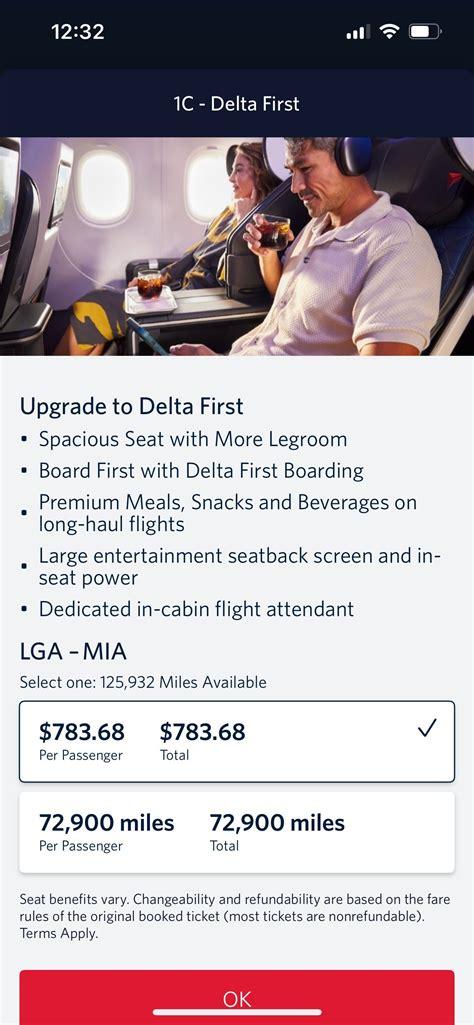
Unlike complimentary elite upgrades or mileage redemptions, check-in upgrades are cash offers presented shortly before departure. Most airlines begin online check-in approximately 24 hours before takeoff, and this is typically when upgrade opportunities first appear.
These offers may be displayed through:
- Airline mobile applications
- Airline websites
- Airport self-service kiosks
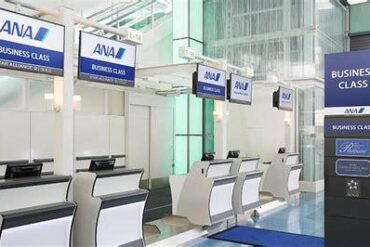
- Airport check-in counters
The airline’s pricing engine constantly evaluates how many premium seats remain unsold. Rather than allowing expensive first-class seats to depart empty, carriers frequently reduce the upgrade price enough to encourage last-minute purchases while still maximizing revenue.
This pricing changes continuously. An offer available during online check-in may disappear hours later if another passenger purchases the seat or if elite travelers receive complimentary upgrades.
Passengers should also understand that these upgrades differ completely from:
- Frequent flyer mileage upgrades
- Elite complimentary upgrades
- Bid-for-upgrade programs
- Standby upgrade lists
Instead, they’re straightforward cash purchases that almost any passenger can accept if seats remain available.
Typical First Class Upgrade Prices on Domestic Flights
Domestic upgrade pricing varies significantly depending on route length, aircraft type, travel demand, and competition between airlines.
Short Domestic Flights
Flights lasting under two hours generally produce the lowest upgrade offers.
Typical examples include:
- Seattle to Los Angeles
- Dallas to Houston
- Atlanta to Orlando
- Chicago to Minneapolis
Passengers frequently encounter offers ranging between $29 and $199.
At the lower end of this spectrum, travelers receive:
- Wider seats
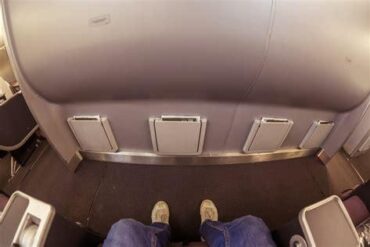
- Additional legroom
- Complimentary beverages
- Premium snacks or meals
- Priority boarding
- Earlier baggage delivery
Although these flights are relatively short, many travelers find the extra comfort worthwhile when upgrade prices remain under approximately $75–$100.
Cross-Country Flights Usually Command Higher Prices
Longer domestic flights naturally increase upgrade value.
Routes such as:
- New York (JFK) to Los Angeles (LAX)
- Boston to San Francisco
- Seattle to Miami
often exceed five or six hours.
Because passengers spend considerably more time onboard, airlines generally price upgrades between $250 and $700, although exceptional bargains occasionally appear if premium cabins remain mostly empty.
Aircraft also influence pricing.
Some transcontinental services feature:
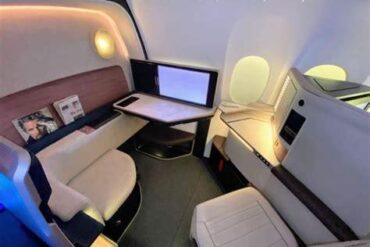
- Fully lie-flat seats
- Premium dining
- Larger entertainment screens
- Enhanced onboard service
These aircraft provide an experience much closer to international business class than traditional domestic first class, making higher upgrade prices easier to justify.
International Flights Bring Much Higher Upgrade Costs
The biggest pricing differences appear on long-haul international routes.
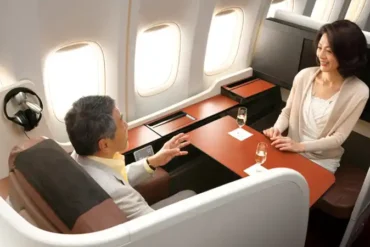
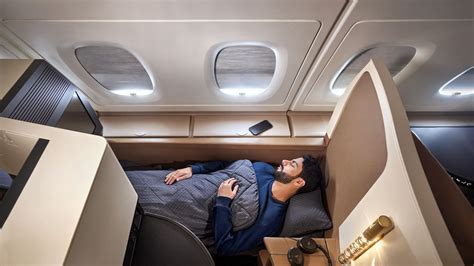
Unlike domestic first class, international premium cabins often include:
- Fully flat beds
- Premium bedding
- Multi-course dining
- Champagne and premium beverages
- Larger entertainment systems
- Amenity kits
- Direct aisle access
- Lounge access
- Priority security
- Priority baggage handling
Because these benefits dramatically improve overnight travel, airlines assign significantly higher values to unsold premium seats.
Most international check-in upgrades fall somewhere between $600 and $1,500 each way.
However, routes exceeding twelve hours may cost even more.
Real Examples of Upgrade Pricing
Understanding actual route examples provides a clearer picture of typical pricing.
Short West Coast Routes
Flights between Seattle and Los Angeles often generate upgrade offers from approximately $49 to $199, especially during less busy travel periods.
These flights usually last around three hours, making moderate upgrade prices attractive for many travelers.
Busy Business Markets
Routes connecting major financial centers frequently see stronger premium demand.
Examples include:
- Atlanta to New York
- Chicago to Washington
- Dallas to New York
Because business travelers regularly purchase premium cabins outright, discounted upgrades become less common, and prices generally remain higher.
Transatlantic Flights
A traveler flying from Chicago to London might receive a business-class upgrade offer around $900 if multiple premium seats remain available shortly before departure.
Although expensive, this still represents substantial savings compared with purchasing business class during the initial booking process.
Ultra Long-Haul Flights
Flights such as San Francisco to Singapore routinely exceed sixteen hours.
For these journeys, check-in upgrade offers frequently surpass $1,500, reflecting both the flight duration and the enormous value passengers place on obtaining a fully flat bed.
Why Upgrade Prices Change So Much
Many travelers wonder why one passenger receives a $99 offer while another sees $499 for the same flight.
The explanation lies in airline revenue management.
Every departure represents a constantly changing mathematical model.
Airlines evaluate factors including:
- Remaining premium inventory
- Historical booking trends
- Real-time demand
- Competitive pricing
- Elite upgrade requests
- Seasonal travel patterns
- Corporate bookings
- Last-minute ticket sales
Rather than using fixed pricing, airlines continuously estimate the highest amount someone might realistically pay before departure.
If demand remains strong, upgrade prices stay high.
If premium cabins remain largely empty, discounts become increasingly attractive as departure approaches.
Aircraft Type Makes a Significant Difference
Not every first-class cabin offers the same experience.
A narrow-body aircraft operating a one-hour domestic route generally provides:
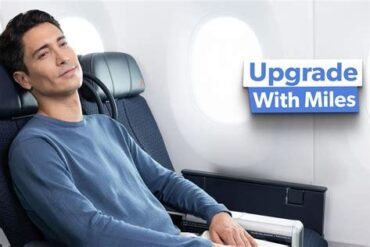
- Larger reclining seats
- Extra legroom
- Complimentary meals
- Better service
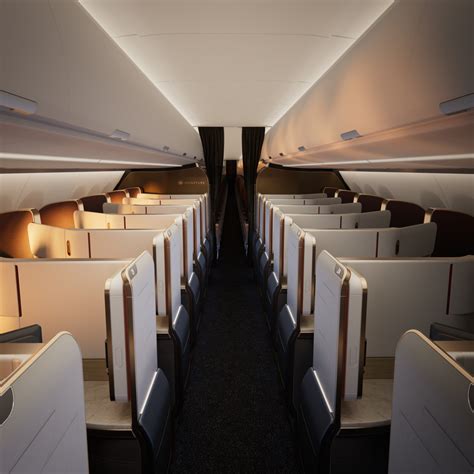
Meanwhile, a wide-body aircraft flying internationally may include:
- Private suites
- Lie-flat beds
- Luxury bedding
- Fine dining
- Direct aisle access
- Lounge privileges
Naturally, airlines charge much more for upgrades delivering substantially greater comfort.
This explains why identical routes of similar length can still produce dramatically different upgrade prices depending on the aircraft assigned.
Seasonality Has a Huge Impact
Travel season significantly influences upgrade opportunities.
During holidays, summer vacations, and major business travel periods, premium cabins often sell well in advance.
As a result:
- Upgrade availability decreases.
- Prices remain higher.
- Discounts become less frequent.
Conversely, shoulder seasons frequently produce better opportunities.
Flights operating during quieter travel periods may depart with several empty premium seats, encouraging airlines to reduce upgrade prices during check-in.
Tuesday and Wednesday departures often provide more favorable upgrade pricing than busy Friday or Sunday flights.
Frequent Flyers Receive Priority
Before airlines offer discounted cash upgrades to the general public, many premium seats first go through elite upgrade lists.
Passengers with airline status may receive:
- Complimentary upgrades
- Mileage upgrades
- Systemwide upgrade certificates
Only after these travelers have been accommodated do airlines determine how many premium seats remain available for paid check-in offers.
Consequently, routes heavily traveled by elite frequent flyers often produce fewer upgrade opportunities for occasional travelers.
When Paying for First Class Makes Sense
The value of upgrading depends less on price alone and more on what passengers receive in return.
For shorter domestic flights, spending several hundred dollars may not provide enough additional comfort to justify the expense.
However, the equation changes dramatically on overnight international flights.
Being able to sleep flat for eight or more hours can:
- Reduce jet lag
- Improve arrival productivity
- Increase vacation enjoyment
- Make long travel days significantly less exhausting
Many experienced travelers evaluate upgrades using a simple hourly value calculation.
For example:
- A $79 upgrade on a two-hour flight equals roughly $40 per hour.
- A $500 upgrade on a twelve-hour overnight flight equals approximately $42 per hour.
Although the second option costs much more overall, many passengers consider it substantially better value because of the dramatically improved experience.
Tips for Finding Better Check-In Upgrade Deals
Travelers hoping to secure affordable upgrades can improve their chances by understanding airline pricing behavior.
Useful strategies include:
- Check in as soon as online check-in opens.
- Continue monitoring the airline app before departure.
- Compare upgrade prices across devices if available.
- Fly during off-peak travel periods.
- Choose flights with historically lower business demand.
- Remain flexible with departure dates whenever possible.
Patience can sometimes pay off, although waiting too long also carries the risk that another passenger purchases the remaining premium seat first.
Is a Check-In Upgrade Worth the Money?
There is no universal answer because every journey differs.
A one-hour regional flight rarely transforms enough to justify several hundred dollars.
Meanwhile, upgrading before a fourteen-hour overnight journey can completely change the travel experience.
Domestic check-in upgrades commonly range between $29 and $700, while international business or first-class upgrades often fall between $600 and more than $1,500 depending on aircraft, route, demand, and remaining availability.
For travelers who understand airline pricing strategies and monitor offers carefully, check-in upgrades can provide premium travel at a fraction of the original ticket price. While availability is never guaranteed, recognizing when an offer represents genuine value allows passengers to enjoy wider seats, superior service, priority airport benefits, and—in the case of long-haul flights—a restful night’s sleep without paying the full premium fare months in advance.