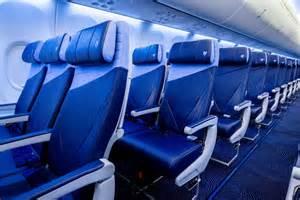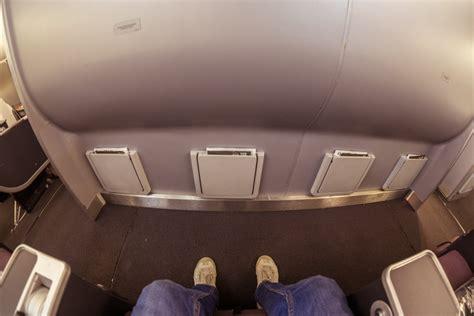
Bulkhead seats have long enjoyed a reputation as one of aviation’s quiet little hacks. Ask around in departure lounges or scroll through frequent flyer forums and you’ll hear them described as the clever traveler’s choice: more legroom, fewer disruptions, and a sense of space that standard economy rows supposedly can’t match. On paper, it sounds like a no-brainer. A solid wall instead of another seat in front of you, no one reclining into your knees, and often a modest surcharge—or none at all—for the privilege. Yet the reality at 35,000 feet is far more nuanced, and in many cases, quietly disappointing.
The truth is that bulkhead seats trade one kind of comfort for another, and the exchange rate is not always favorable. While the extra knee clearance is real, it often comes bundled with design compromises that chip away at the overall flying experience. These are not minor inconveniences, either. They affect how you store your belongings, how wide your seat feels, how relaxed you are during the flight, and even how well you sleep. Bulkhead seats are not inherently bad, but they are far from universally better—and for many passengers, they are a downgrade cleverly disguised as an upgrade.
Why Bulkhead Seats Look So Appealing at First Glance
The allure of the bulkhead seat begins with legroom. Unlike standard economy rows, there is no seat frame immediately in front of you, so your knees are not boxed in by someone else’s recline. For taller travelers, this sounds like salvation. Even average-height passengers enjoy the psychological relief of open space, especially on long-haul routes where every inch feels contested.
There is also the promise of control. No surprise reclines. No tray table slamming down from the seat ahead. No screen inches from your face. The bulkhead suggests autonomy, a small buffer zone between you and the chaos of modern air travel. Airlines often reinforce this perception by offering these seats early in the booking process, sometimes labeling them as preferred or extra-legroom options, which subtly elevates their status.
Yet what is rarely emphasized during seat selection is how much functionality is quietly stripped away to make this configuration possible. The wall giveth, and the wall taketh away.
The Legroom Myth: Space You Can See Versus Space You Can Use
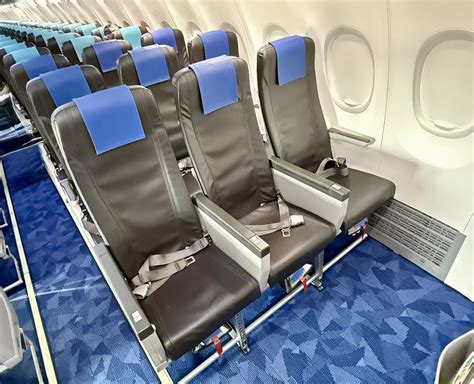
Bulkhead legroom looks generous, but it behaves differently from standard legroom. In a regular economy seat, passengers can slide their feet under the seat in front, effectively extending their usable space. With a bulkhead, that option disappears. Your feet stop at the wall. You gain knee clearance, but you lose stretch-out potential.
For tall passengers with long femurs, this can still be a net positive. For everyone else, the benefit is less clear. The space becomes visually open but ergonomically constrained. You may find yourself shifting positions more often, trying to make use of a space that feels larger than it actually is.
There is also a subtle rigidity to bulkhead seating posture. Without the natural footwell created by the seat ahead, your legs remain more vertical. Over long flights, this can lead to stiffness rather than relief, particularly if you are accustomed to angling your feet slightly under the seat in front of you.
No Underseat Storage: A Small Detail That Becomes a Big Problem
One of the most underestimated drawbacks of bulkhead seats is the complete absence of underseat storage. In a standard row, that space is prime real estate. Your backpack, laptop bag, or small carry-on lives there, within arm’s reach. You can grab headphones, snacks, chargers, or documents without standing up or opening overhead bins.
In a bulkhead seat, all of that goes away. Everything must be stored overhead for taxi, takeoff, and landing. On full flights, this can mean placing your bag several rows away. During the cruise phase, accessing it often involves awkward contortions or asking neighbors to stand.
This issue becomes especially irritating on long-haul flights, where passengers want frequent access to personal items. The lack of underseat storage turns the bulkhead seat into a surprisingly inconvenient workspace, particularly for travelers who plan to work, read, or manage kids’ belongings mid-flight.
Fixed Armrests: When Extra Space Makes Your Seat Smaller
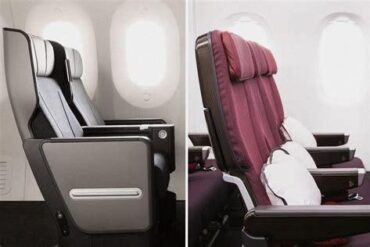
Bulkhead seats almost always come with fixed armrests. These armrests are thicker and less forgiving because they house tray tables, remote controls, or in-flight entertainment screens. The result is a seat that is measurably narrower than its standard economy counterpart.
For broader passengers, this can be a deal-breaker. Even for those of average build, the inability to lift the armrest removes flexibility. Couples traveling together lose the option of sharing space. Solo travelers lose the ability to subtly shift posture during long flights.
The irony is hard to miss. You pay for a seat advertised as more spacious, only to find that the area where your body actually sits is tighter. Comfort is not just about legroom; it is about how your whole body fits into the seat over time.
Tray Tables and Screens: Awkward Engineering in Practice
In bulkhead seats, tray tables are typically folded into the armrests. While this solves the problem of where to place them, it introduces a new set of frustrations. These tray tables are often smaller, heavier, and more awkward to deploy. They require a specific sequence of movements that is never intuitive, especially in low light.
In-flight entertainment screens are also frequently mounted on the bulkhead wall or embedded in the armrest. Wall-mounted screens can feel uncomfortably close, forcing you to adjust your viewing angle. Armrest-mounted screens are vulnerable to accidental bumps and often restrict arm movement further.
For passengers who plan to eat, work, or watch movies extensively, these design quirks accumulate into a less fluid experience than a standard seat with a simple flip-down tray and seatback screen.
Convenience Perks That Almost Make It Worthwhile
Despite the drawbacks, bulkhead seats do offer genuine conveniences that keep them popular. Their position at the front of a cabin or section often means priority boarding. You settle in earlier, stow your luggage before bins fill up, and avoid the aisle traffic that follows.
Meal service typically begins at the front, so bulkhead passengers are among the first to be served. This increases the likelihood of getting your preferred meal option, a small but meaningful win on longer flights. Cabin crew are also physically closer, making service requests easier to fulfill.
Deplaning is another advantage. Being near the front can shave valuable minutes off your exit time, which matters when you have a tight connection or an appointment waiting on the ground. These efficiencies are real, and for short-haul travelers in particular, they may outweigh the comfort compromises.
Noise, Light, and Traffic: The Hidden Cost of Location
Bulkhead seats are often adjacent to galleys or lavatories, and this proximity comes with sensory baggage. Galleys generate constant activity: carts rolling, equipment clattering, quiet conversations between crew members preparing service. Even with the most considerate crew, silence is impossible.
Lavatories introduce a different set of issues. Passengers line up, doors open and close, lights spill into the cabin, and odors occasionally escape. On overnight flights with dimmed cabins, this intermittent brightness can be especially disruptive to sleep.
These factors are less noticeable on short flights, where convenience trumps comfort. On long-haul routes, however, they can turn the bulkhead seat into one of the least restful spots in the cabin.
Not All Bulkhead Seats Are Created Equal
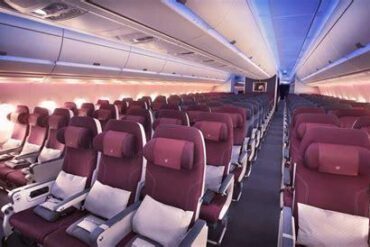
Bulkhead seats vary widely depending on aircraft type, airline configuration, and cabin class. In economy, the drawbacks are most pronounced because the seat design is already optimized for density. Any additional constraints—fixed armrests, storage limitations, traffic exposure—are felt more acutely.
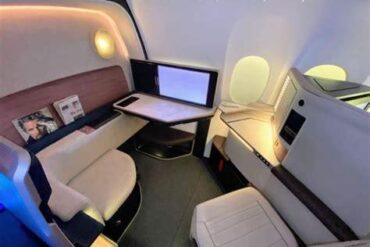
In premium cabins, the story changes. Business and first-class bulkhead seats often deliver exceptional space, privacy, and service without the same penalties. Storage is built into the seat design, armrests are generous, and galleys are typically better insulated. In these cabins, the bulkhead can genuinely be the best seat in the house.
There is also variation between full walls and partial dividers. A full wall offers visual separation but can feel confining. Partial dividers allow light and airflow but provide less privacy and more noise bleed. Understanding these distinctions requires careful seat-map research, something many travelers overlook in their rush to secure “extra legroom.”
Bulkhead Seats Versus Exit Rows: A False Equivalence
Bulkhead seats are often compared to exit row seats, another category associated with extra space. While both offer additional legroom, exit rows usually retain underseat storage and adjustable armrests, depending on the aircraft. They are often located farther back, which slows deplaning but reduces galley and lavatory traffic.
Exit rows also come with responsibilities and restrictions, including safety briefings and eligibility requirements. For some travelers, these are minor inconveniences. For others, they are worth enduring in exchange for a more balanced comfort profile than bulkhead seats provide.
The key takeaway is that extra legroom alone does not define a good seat. How that space integrates with storage, seat width, and cabin environment matters just as much.
The Psychology of “Front Equals Better”
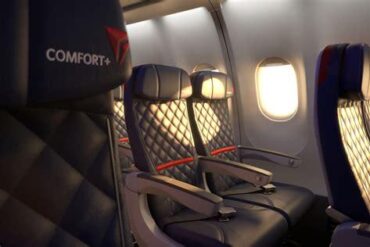
Part of the bulkhead seat’s appeal is psychological. Being at the front feels premium, even in economy. You board earlier, exit sooner, and enjoy a sense of separation from the mass of passengers behind you. Airlines understand this and subtly market bulkhead seats as upgrades, even when the physical benefits are marginal.
This perception can mask the trade-offs until you are already airborne, wrestling with a tray table or wishing for a bag at your feet. The disappointment is not dramatic, but it is persistent, a series of small annoyances that add up over hours in the air.
When Bulkhead Seats Actually Make Sense
There are scenarios where bulkhead seats shine. Very tall passengers who prioritize knee clearance above all else may find them worthwhile. Travelers on short flights who value quick exits and early service may gladly accept the compromises. Parents with infants sometimes benefit from bulkhead bassinets, depending on airline policy and aircraft type.
The problem arises when bulkhead seats are chosen by default, based on reputation rather than informed preference. Without understanding the full picture, passengers may pay extra for a seat that does not align with how they actually travel.
The Bottom Line: Rethinking the Bulkhead Myth
Bulkhead seats are a study in aviation trade-offs. They offer visible space but restrict functional freedom. They promise comfort but deliver rigidity. They grant convenience while quietly eroding relaxation. None of these flaws make them universally bad, but they do make them far less universally good than their reputation suggests.
The smartest seat choice is not about chasing labels like “bulkhead” or “extra legroom.” It is about matching the seat’s strengths and weaknesses to your own priorities. In many cases, a well-chosen standard economy seat—away from galleys, with usable underseat storage and flexible armrests—will deliver a more comfortable, less frustrating journey than the bulkhead ever could.
Understanding that distinction turns seat selection from guesswork into strategy. And once you see bulkhead seats clearly, without the glow of myth, you may find yourself scrolling past them the next time you book, looking instead for comfort that actually works in practice.