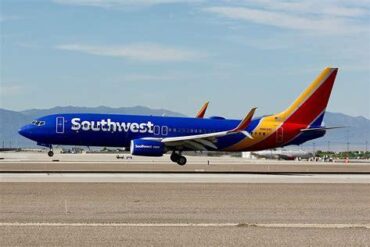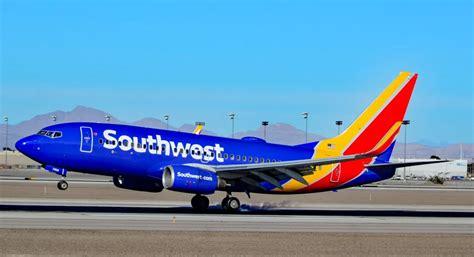
Southwest Airlines (WN) is set to make a significant shift in its operational model with the introduction of its first retrofitted Boeing 737 aircraft featuring extra legroom. This move, debuting on May 8, 2025, at Dallas Love Field (DAL), marks a clear departure from the carrier’s long-standing open-seating policy. The first flight, part of a comprehensive fleet upgrade plan, will take off from Las Vegas Harry Reid International Airport (LAS), signaling a major step toward a more premium passenger experience.
Historically, Southwest has operated under a unique, customer-friendly model characterized by single-cabin service, free checked baggage, and a first-come, first-served seating policy. However, mounting pressure from activist investor Elliott Management has pushed the airline to modernize its approach to match the evolving expectations of its customer base. The retrofitted planes represent the first tangible shift in this direction, aligning Southwest more closely with its legacy and ultra-low-cost competitors.
A New Era in Seating Comfort
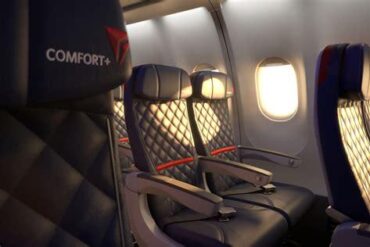
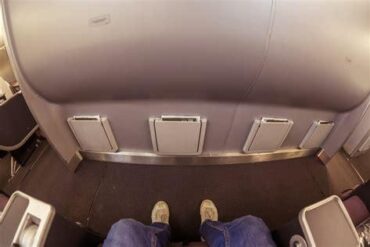
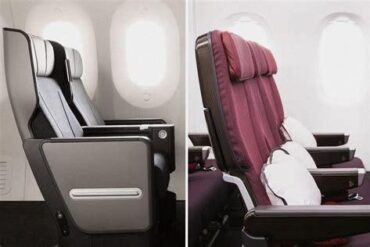
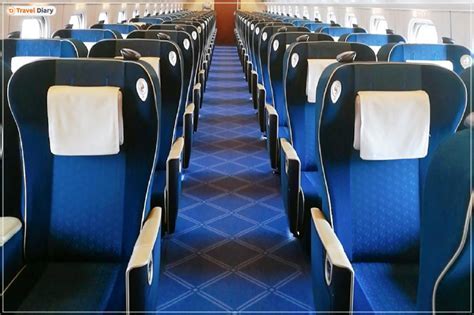
The introduction of extra-legroom seats is a significant departure for Southwest. These seats, part of a broader retrofit strategy, offer an additional five inches of pitch, enhancing comfort for travelers willing to pay a premium for more space. This move aligns Southwest with other major carriers that have long offered premium economy options, providing a middle ground between standard economy and business class.
Southwest’s new premium seats will primarily be available in the Choice Extra and Choice Preferred fare classes, reflecting a more tiered approach to customer segmentation. This shift is a critical part of the airline’s strategy to attract a broader range of travelers, including business customers and frequent flyers who value comfort and flexibility.
Cabin Upgrades for Modern Travelers
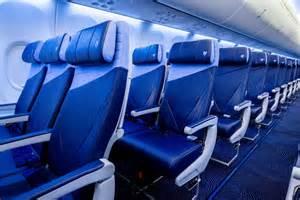
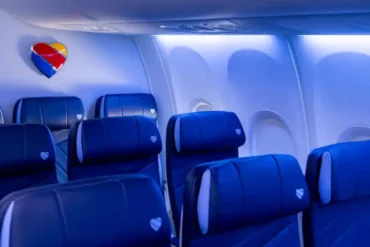
In addition to the new seating configurations, Southwest is overhauling its cabin experience. The retrofitted Boeing 737s will feature several key upgrades designed to enhance the passenger experience, including:
- In-seat power outlets for charging devices on the go
- Larger overhead bins for increased carry-on storage
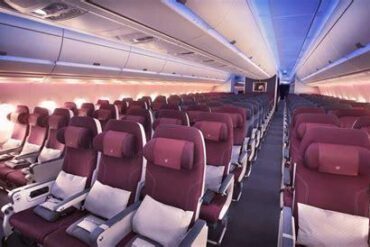
- Improved lighting and modernized cabin interiors to create a more spacious feel
These updates reflect a growing trend in the airline industry to prioritize passenger comfort as a key differentiator, particularly in the increasingly competitive domestic market.
The Impact of Investor Pressure
The decision to introduce premium seating and restructure fare classes comes amid intense pressure from Elliott Management, a prominent activist investor known for pushing companies to maximize shareholder value. Southwest’s shift away from its signature perks, like the “Bags Fly Free” policy, marks a critical pivot in its business model. This move aims to boost profitability while catering to a more diverse passenger base.
New Fare Classes: What Passengers Need to Know
Southwest’s new fare structure, launching on May 28, 2025, introduces several key ticket options, each with its own set of perks and restrictions:
- Basic: Entry-level fare, no seat selection, checked baggage fees, and last to board
- Choice: Standard fare, similar to the previous “Wanna Get Away Plus” tier, with limited flexibility
- Choice Preferred: Front-cabin standard legroom seating with added flexibility
- Choice Extra: Premium offering with extra legroom, early boarding, and enhanced baggage perks
This multi-tiered approach, expected to be fully implemented by Q3 2026, represents a significant cultural shift for the airline, which has long differentiated itself through simplicity and transparency.
Fleet Modernization for a Competitive Edge
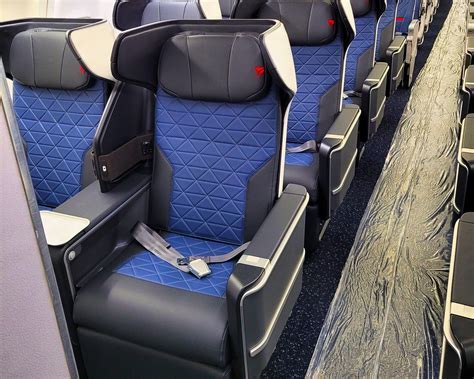
The retrofitting project is a key component of Southwest’s broader fleet modernization strategy. Initially, the upgrades will focus on its newer Boeing 737-800 and 737 MAX 8 models, with plans to extend the changes to older Boeing 737-700 aircraft in subsequent phases. The retrofitted aircraft will include:
- Extra legroom seats with enhanced pitch
- USB and power outlets at every seat
- Enlarged overhead bins for increased carry-on capacity
These improvements are intended to streamline boarding procedures and improve the overall passenger experience, reflecting the airline’s effort to balance cost efficiency with customer satisfaction.
Charting a New Course
Southwest’s decision to overhaul its cabin design and introduce premium fare classes signals a broader strategy to stay competitive in the rapidly changing airline industry. While this shift marks a significant break from its traditional model, it also positions the carrier to attract a more diverse customer base, from budget-conscious travelers to business flyers seeking comfort and convenience.
As the first of these retrofitted jets takes to the skies, the airline’s broader transformation will be closely watched by industry analysts and loyal customers alike. Whether this move helps Southwest regain its competitive edge or alienates its core customer base remains to be seen.
This shift underscores the evolving landscape of air travel, where passenger expectations are constantly changing, and airlines must adapt or risk falling behind.