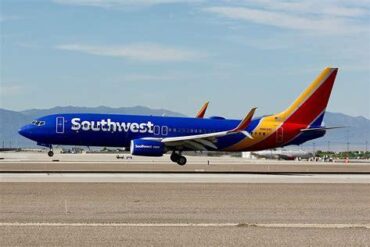
Southwest Airlines is preparing for one of the most consequential policy overhauls in its history, and the financial implications for plus-size passengers are already drawing widespread concern. Beginning January 27, 2026, the airline’s shift from open seating to a fully assigned seating system will fundamentally change how travelers secure space onboard. Among the most controversial elements of this overhaul is the requirement for plus-size passengers to purchase an extra seat upfront, with refunds no longer guaranteed in many cases. The result is an environment where travelers who previously relied on Southwest’s famously flexible approach now face unpredictability and higher costs.
The airline’s existing policy allows passengers who need additional space to request a free second seat at the airport or receive a refund after buying an extra seat in advance. The new rules eliminate that flexibility, reshaping expectations for passengers who depend on clear, predictable policies. Refusing a guaranteed refund introduces financial risk where none previously existed, and many travelers are questioning whether Southwest’s newest evolution aligns with the brand identity it once promoted.
Mandatory Advance Purchase of a Second Seat Reshapes the Travel Experience
Under the upcoming policy framework, passengers who need additional space must buy an extra seat during the booking process rather than waiting until arrival at the airport. The airline stated that the change is meant to ensure availability, yet critics argue it removes a crucial layer of accommodation. Refund requests for extra seats will still be permitted, but eligibility will depend on very specific conditions, the most significant being whether the flight is fully booked.
If a flight departs with no empty seats, Southwest will deny the refund, leaving the passenger responsible for the full fare of both seats. This change is particularly impactful on high-demand routes, seasonal travel periods, and last-minute bookings when flights routinely sell out. For many plus-size travelers, the uncertainty of not knowing in advance whether their refund will be approved introduces a new economic burden.
Refund Eligibility Hinges on Flight Capacity and Fare Class Matching
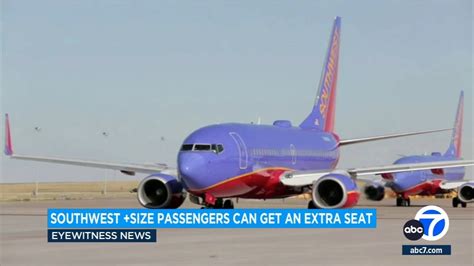
While Southwest will continue to offer refund requests, the criteria have become more rigid. To qualify, travelers must meet several strict requirements. There must be at least one open seat on the aircraft at departure time. Both purchased seats must be booked within the same fare class—Basic, Choice, Choice Preferred, or Choice Extra. All refund requests must be submitted within 90 days of travel.
These conditions create clear obstacles for travelers seeking predictability. Considering Southwest’s strong load factors and the tendency for many domestic flights to operate at near capacity, the likelihood of being denied a refund becomes a serious concern.
Advocates for plus-size passengers argue that these changes may have unintended consequences on the wider passenger experience. Travel site owner Jason Vaughn noted that the revised rules could lead to more passengers attempting to manage with a single seat, which may increase discomfort or conflict onboard. His critique underscores a broader point: Southwest’s new seating strategy does not just affect plus-size travelers; it reshapes the overall cabin environment.
End of Early Boarding and Free At-Airport Seat Requests
A further blow to passengers of size is the removal of early boarding privileges, which previously allowed travelers to select two adjacent seats together on Southwest’s open-seating aircraft. The shift to assigned seating eliminates this approach entirely. Similarly, the option to request a free additional seat at the airport has been discontinued, removing yet another layer of passenger support.
A Year of Transformational—and Controversial—Changes for Southwest Airlines
Southwest has introduced an extensive list of structural changes over the past year, reshaping its once-distinct product identity. The airline already stirred consumer reaction by dropping its iconic free checked bags, replacing them with fees across most fare classes. That shift alone began altering traveler expectations, but the transition to assigned seating is arguably a more dramatic cultural pivot.
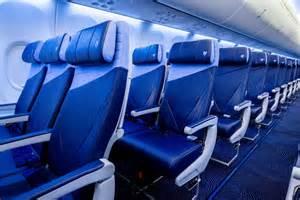
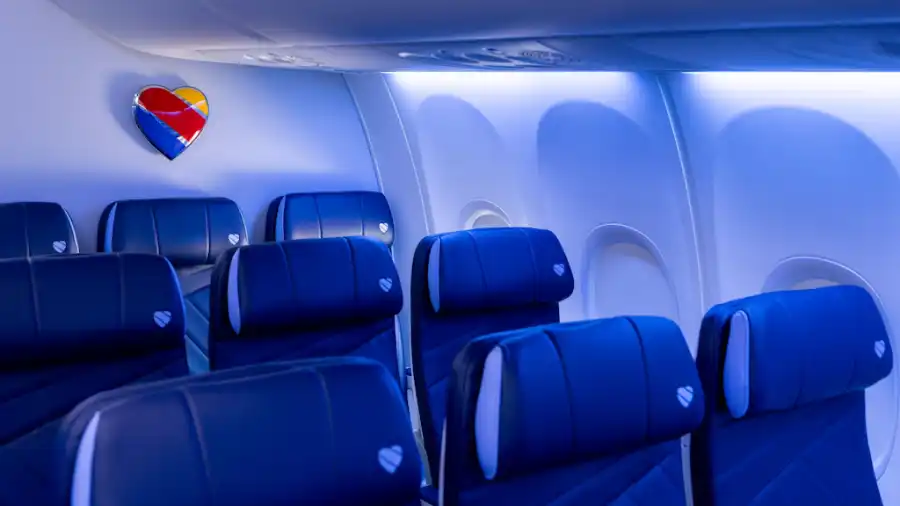
The new system introduces Standard, Preferred, and Extra Legroom seat types, aligning the airline more closely with competitors offering tiered seating experiences. Boarding procedures are also being revamped: instead of the well-known A/B/C designations, passengers will now be grouped into boarding zones numbered 1 through 8, reflecting a more conventional airline structure.
This transformation signals Southwest’s intent to reposition itself within the competitive U.S. market, but in doing so, it risks fracturing the loyalty of customers who long valued its simplicity and customer-first ethos. Many travelers viewed the airline as a refuge from the increasingly complex fee structures that dominate the industry. Now, with core policies rewritten, some question whether Southwest is abandoning the traveler-friendly DNA that set it apart.
Rising Costs and Reduced Certainty Shape the Road Ahead
The revised extra-seat policy highlights a broader shift: predictability now comes at a price. Passengers of size must weigh the possibility of paying for two seats without reimbursement against the discomfort and potential conflict of attempting to fly with one. In a travel landscape that increasingly monetizes every square inch of personal space, Southwest’s once-refreshing approach appears to be fading.
As the airline moves into its assigned-seating era, the implications will continue to unfold. Travelers will adjust, policies may evolve, and industry observers will watch closely to see whether Southwest’s bet on structural transformation strengthens its market position or distances it further from the customers who built its reputation.
The new rules mark a decisive shift in how the airline defines fairness, comfort, and value—and the months ahead will reveal how passengers respond to this recalibrated equation.