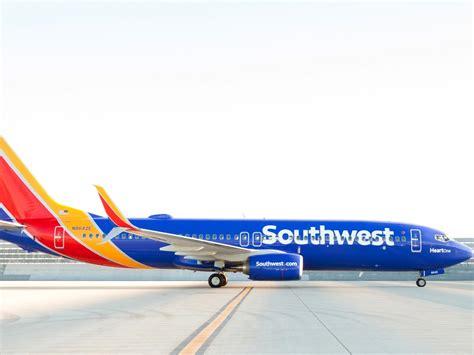
Air travel safety policies continue to evolve as airlines respond to new technological risks inside passenger cabins. Southwest Airlines, one of the largest carriers in the United States, has announced a significant change affecting millions of travelers: passengers will soon be restricted to just one portable charger per person during flights. The measure is designed to reduce the growing risk of lithium-ion battery fires, an issue that has become increasingly concerning for regulators and airlines worldwide.
The Dallas-based airline confirmed that the policy will officially take effect on April 20, introducing stricter controls on portable chargers—commonly known as power banks—carried by passengers. In addition to limiting the number of devices, the new rules prohibit storing portable chargers in overhead compartments and ban their use during flights. These restrictions reflect a broader push across the aviation industry to address the dangers associated with lithium battery overheating and potential ignition in confined aircraft cabins.
Rising Concerns Over Lithium Battery Fires in Aircraft Cabins
Lithium-ion batteries power nearly every modern electronic device, from smartphones and tablets to laptops and portable chargers. While efficient and compact, these batteries can pose a serious safety risk when damaged, improperly stored, or exposed to excessive heat. The aviation industry has become increasingly alert to the phenomenon known as thermal runaway, a chain reaction within lithium battery cells that causes rapid overheating, smoke, and sometimes fire.
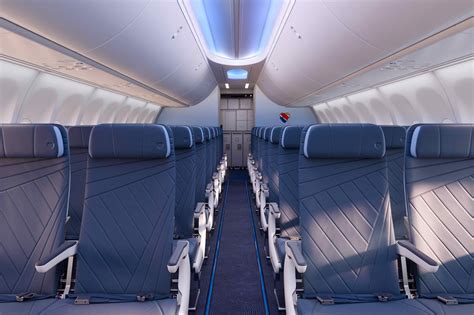
In an aircraft cabin, where passengers sit in close proximity and space is limited, even a small battery fire can quickly escalate into a major safety event. Smoke can spread rapidly through the cabin, and flames can damage seat materials or nearby luggage. Although airline crews are trained to respond to such incidents, preventing them altogether remains the primary goal.
Southwest Airlines’ new policy reflects this preventative approach. By limiting passengers to one portable charger, the airline significantly reduces the number of lithium batteries onboard while making it easier for cabin crews to monitor and manage potential hazards.
Key Elements of Southwest’s New Portable Charger Policy
Under the revised rules, passengers will still be allowed to carry a portable charger, but the airline has introduced several important restrictions designed to minimize risks during flight.
Key requirements include:
- One power bank per passenger is allowed onboard.
- Portable chargers cannot be stored in overhead bins.
- Devices must remain on the passenger’s person or inside an under-seat carry-on bag.
- Charging power banks during the flight is prohibited, including through in-seat power outlets.
These measures ensure that portable chargers remain within easy reach and visibility. If a battery begins overheating or producing smoke, flight attendants can respond immediately rather than searching through luggage stored in overhead compartments.
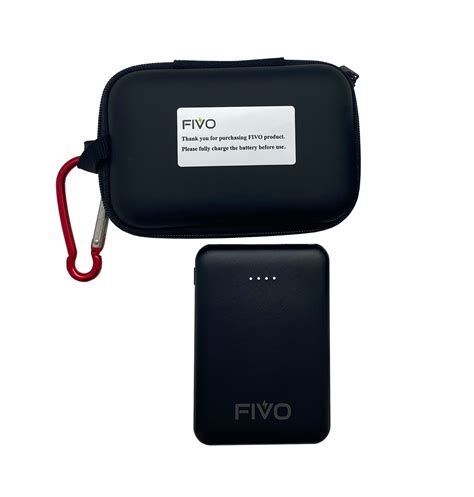
The ban on charging power banks during flights is particularly significant. Lithium batteries can become unstable when charging in confined environments, especially if defective or damaged. Eliminating the ability to recharge portable chargers onboard removes a key trigger for overheating incidents.
Global Aviation Authorities Tighten Battery Safety Guidelines
Southwest Airlines’ decision does not exist in isolation. Around the world, regulators and airlines are implementing stricter policies in response to rising battery-related incidents. The International Civil Aviation Organization (ICAO) recently issued updated global guidance recommending limits on portable chargers carried by passengers.
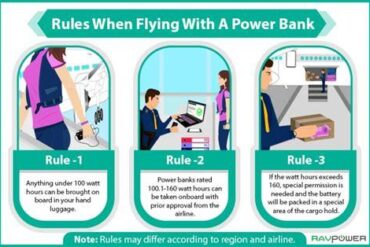
Under ICAO’s recommendations, travelers may carry up to two power banks, and recharging them during flights is discouraged or prohibited depending on airline policy. Southwest’s decision to limit passengers to only one device goes beyond these guidelines, positioning the airline among the most cautious operators currently enforcing battery restrictions.
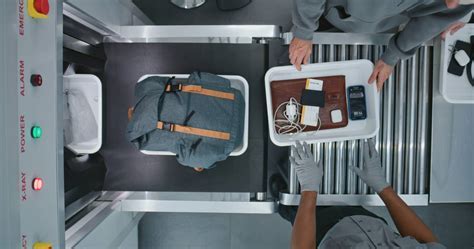
The aviation industry has been forced to confront the risks associated with lithium batteries after several high-profile incidents. In 2025, a serious onboard fire occurred on an Air Busan aircraft, drawing international attention to the dangers posed by portable electronic devices carried in passenger cabins. Additional incidents involving Asian carriers in early 2026 further intensified regulatory scrutiny.
These events reinforced a growing realization among aviation safety authorities: while lithium-ion batteries are essential to modern travel, their risks cannot be ignored when hundreds of passengers and thousands of devices share a confined environment at cruising altitude.
FAA Data Shows Increasing Battery Incidents on Flights
In the United States, the Federal Aviation Administration (FAA) has been tracking battery-related events aboard aircraft for years. The agency issued a formal safety alert highlighting the growing frequency of incidents involving smoke, heat, or fire originating from lithium batteries.
According to FAA data, there were 97 recorded battery incidents on flights last year, compared with 89 cases in 2024. Although the numbers may appear small relative to the total number of flights worldwide, the upward trend has raised concern among safety regulators and airline operators.

Most incidents involve devices that were damaged, crushed inside luggage, or overheating while charging. Because lithium batteries contain flammable electrolytes, once thermal runaway begins it can rapidly spread to neighboring cells. Containing such fires requires specialized procedures, including cooling the device with water or using fire-resistant containment bags.
For airlines, the safest strategy is prevention. Reducing the number of batteries onboard and ensuring they remain accessible to cabin crew significantly lowers the risk of uncontrolled fires during flight.
Southwest’s Long-Term Plan to Reduce Dependence on Power Banks
Southwest Airlines is also addressing the root cause of power bank usage: the need for reliable onboard charging options. Many travelers rely on portable chargers because aircraft cabins often lack convenient power outlets, especially on shorter domestic flights.
To solve this issue, Southwest has announced plans to equip its entire fleet with in-seat power outlets by mid-2027. Once this upgrade is complete, passengers will be able to charge smartphones, tablets, and laptops directly from their seats without relying on portable chargers.
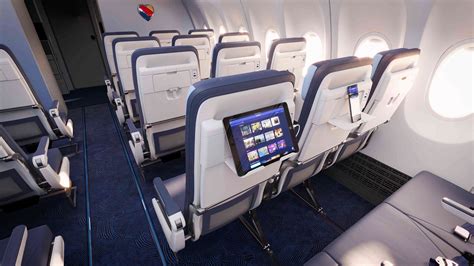
This modernization initiative could gradually eliminate the need for power banks on many routes. By providing direct power access, the airline hopes to improve passenger convenience while reducing the number of lithium batteries carried into aircraft cabins.
Until that transition is complete, the airline’s new policy represents a proactive safety measure. Limiting portable chargers, controlling where they are stored, and banning their use during flights reflects an industry-wide shift toward more cautious management of lithium battery technology in aviation.
As portable electronics continue to dominate modern travel, airlines are adapting safety policies to keep pace. Southwest Airlines’ one-power-bank rule illustrates how the industry is balancing passenger convenience with the overriding priority of maintaining the highest levels of in-flight safety.