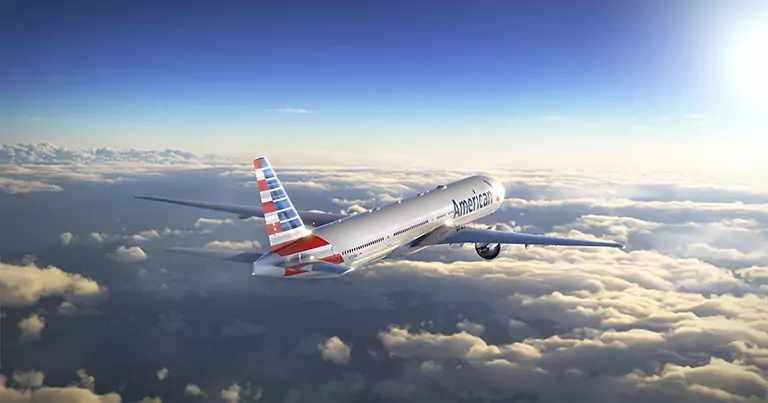
American Airlines is implementing a significant adjustment to its descent procedures aimed at reducing turbulence-related injuries for both passengers and crew members. Beginning June 3, the Fort Worth-based carrier will require cabin preparation activities to begin no later than 18,000 feet during descent, marking a proactive shift in how the airline manages one of aviation’s most persistent safety concerns.
The decision follows an internal review that found approximately one-quarter of turbulence-related incidents and injuries on American Airlines flights occur during descent into destination airports. By initiating cabin-securement procedures earlier, the airline hopes to reduce the amount of time flight attendants and passengers are exposed to unexpected turbulence while moving throughout the aircraft.
For travelers, the changes are expected to be largely invisible. American Airlines has emphasized that onboard service standards will remain unchanged and that passengers should not experience major disruptions to their flight experience. The primary focus of the new policy is improving communication between the flight deck and cabin crew while ensuring that essential safety procedures are completed earlier in the arrival phase.
During a typical flight, the captain or first officer will now contact the lead flight attendant, commonly known as the Purser or FA1, approximately 20 to 30 minutes before arrival. This discussion will cover expected weather conditions, turbulence forecasts, operational considerations, and any cabin-related concerns that need attention before landing.
The introduction of a mandatory pre-descent announcement represents one of the most notable procedural changes. This communication will provide cabin crew with earlier notification that descent preparations should begin, allowing them to complete required tasks in a more controlled and organized manner.
Once notified, flight attendants will review and complete items listed on the Cabin Discrepancy Worksheet, address any remaining safety issues, and begin preparing the cabin for arrival. Premium cabin passengers will receive final acknowledgments from the crew, while coats and jackets may be returned earlier in the descent process.
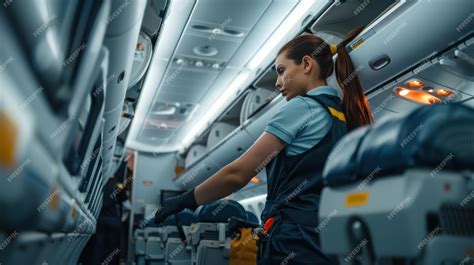
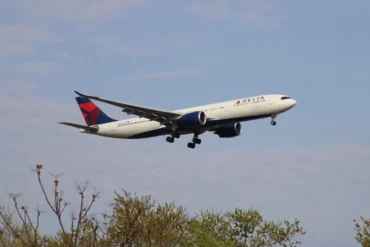
As the aircraft approaches 18,000 feet, pilots will make the official prepare-for-landing announcement. At this stage, flight attendants will begin collecting any remaining service items, secure galley equipment, ensure carry-on baggage is properly stowed, and verify that passengers comply with seatbelt and seating requirements.
The earlier timeline allows cabin crew members to complete these responsibilities before entering portions of the descent where turbulence can become more unpredictable. Traditionally, some of these activities occurred closer to landing, increasing the risk of injury if sudden turbulence developed.
The airline’s revised procedure does not alter existing inflight service policies. Flight attendants will continue to follow guidance contained within the carrier’s Inflight Service Manual and are expected to prioritize safety above service whenever conditions warrant. The key difference is that cabin preparation tasks will now be completed sooner, reducing the likelihood that crew members remain standing or moving through the cabin during potentially turbulent conditions.
At approximately 10,000 feet, the flight crew will activate the standard sterile flight deck chime, a familiar signal indicating that critical phases of flight are underway. By this point, most cabin preparations should already be complete under the new system.
Flight attendants who have not yet finalized safety checks will be expected to do so immediately and then proceed directly to their jumpseats. Unlike previous procedures, crew members will no longer be expected to wait until the final moments before landing to secure themselves.
Industry observers view the move as part of a broader trend among airlines responding to increased awareness of turbulence-related safety risks. Recent years have seen several high-profile incidents involving severe turbulence, some resulting in injuries to passengers and crew despite aircraft remaining structurally safe.
The issue has attracted greater attention across the aviation sector as carriers seek ways to mitigate risk without significantly affecting passenger comfort or operational efficiency. Earlier cabin-securement procedures represent one of the most practical solutions available because they focus on reducing exposure rather than attempting to eliminate turbulence itself.
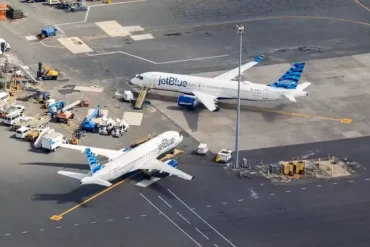
American Airlines is not alone in adopting this approach. JetBlue recently announced a similar revision to its descent procedures, combining previously separate arrival phases into a streamlined process that allows crews to complete safety-related responsibilities earlier. The objective mirrors American’s strategy: ensuring both passengers and crew are seated and secured before conditions become potentially hazardous.
For passengers, the most noticeable effect may be that cabin service concludes slightly earlier on some flights. Beverage collection, trash removal, and final service touches may occur sooner than before, particularly on routes where weather conditions or air traffic patterns increase the likelihood of turbulence during descent.
However, airline officials expect the impact on the customer experience to be minimal. Most travelers are unlikely to notice substantial differences beyond earlier landing announcements and cabin preparation activities.
Ultimately, the policy reflects a growing emphasis on preventive safety measures within commercial aviation. Rather than reacting to turbulence events after they occur, American Airlines is adjusting operational procedures to reduce opportunities for injury before risks develop.
By shifting key cabin preparation milestones to the 18,000-foot level, improving communication between pilots and flight attendants, and encouraging earlier seat occupancy for crew members, the airline aims to create a safer environment during one of the most dynamic phases of flight. As turbulence continues to challenge airlines worldwide, proactive operational changes such as these may become increasingly common across the industry.