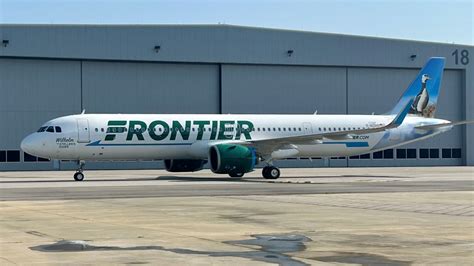
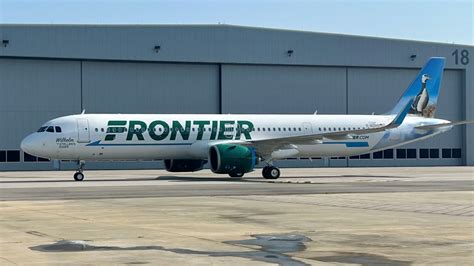
Passenger Incident Forces Mid-Air Diversion on Frontier Flight 3345
In a harrowing incident that underscores the ongoing challenges of airline safety, Frontier Airlines Flight 3345, en route from San Juan, Puerto Rico, to Chicago O’Hare International Airport, was forced to divert to Miami International Airport late Sunday night after a passenger allegedly attempted to open a cabin door at cruising altitude. The Airbus A321, carrying hundreds of passengers, was cruising at approximately 36,000 feet when the alarming event occurred, prompting an immediate emergency response from the flight crew.
Flight tracking data from FlightAware shows the aircraft departed San Juan as scheduled, only to unexpectedly change course to Miami. Reports indicate that the disturbance was identified in real-time by the crew, who declared a passenger emergency and coordinated a diversion to the nearest airport. According to the Federal Aviation Administration (FAA), the aircraft landed safely at 11:55 PM, and no injuries were reported. This incident is the latest in a troubling string of disruptive passenger events affecting U.S. airlines in recent months.
Attempted Cabin Door Opening and Safety Protocols
Modern commercial airliners are equipped with highly reinforced cabin doors and fail-safe locking mechanisms, designed to prevent unauthorized opening during flight. At 36,000 feet, the pressure differential between the cabin and outside the aircraft makes it physically impossible to open a door mid-flight under normal circumstances. Nevertheless, any attempt to breach these safety systems is treated with the utmost seriousness due to the catastrophic risk such actions pose.
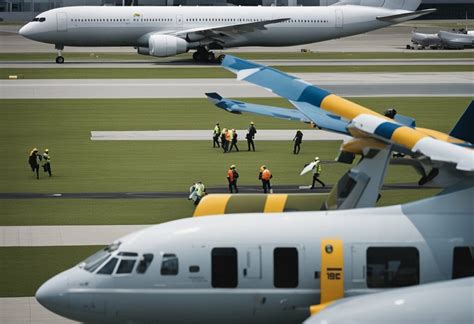
Crew members on Flight 3345 swiftly intervened to secure the individual, employing standard safety protocols that involve both immediate containment and coordination with air traffic control. Incidents of this nature often require not only the expertise of trained cabin staff but, in some cases, assistance from passengers or law enforcement officials traveling onboard. Diversions caused by passenger disturbances carry substantial operational costs, including additional fuel consumption, airport handling fees, and delays for hundreds of travelers.
Growing Concerns Over Unruly Passengers
The FAA reported that, as of 2026, more than 640 incidents of unruly passenger behavior have been recorded in the United States alone. These events range from verbal altercations to more dangerous actions such as interfering with crew operations, attempting to access the cockpit, or in this case, attempting to open cabin doors. Federal regulations impose significant civil penalties and potential criminal charges on passengers who jeopardize flight safety, reflecting a zero-tolerance stance toward any behavior that threatens onboard security.
Experts note that the frequency of mid-air disturbances, while still relatively rare, has highlighted vulnerabilities in airline operations and mental health response protocols. Each incident places extraordinary stress on crew members, passengers, and airline infrastructure, demanding rapid assessment and decisive action.
Context: Similar Security Scares in U.S. Airspace
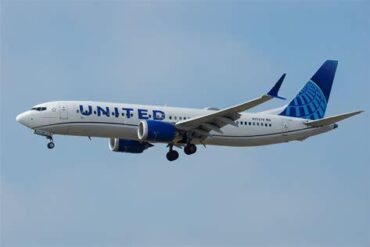
The Frontier incident came less than two days after a United Airlines flight from Chicago to Minneapolis was diverted due to an attempted cockpit breach by a passenger. United Flight 2005, carrying 147 passengers, was rerouted to Dane County Regional Airport in Madison, Wisconsin, after repeated attempts to access the flight deck. Authorities later confirmed that the individual was experiencing a mental health crisis. No injuries occurred, and the flight resumed its journey following security clearance.
These back-to-back events underscore the ongoing challenges airlines face in mitigating risks posed by passengers with aggressive or unpredictable behavior. Post-9/11 security enhancements and reinforced cabin doors make successful breaches extremely rare, yet the potential danger of such attempts cannot be underestimated. Airlines and regulators have repeatedly emphasized a zero-tolerance approach, with immediate diversion and law enforcement intervention standard procedure when safety is threatened.
Implications for Airline Operations and Passenger Safety
Incidents such as the attempted door opening on Flight 3345 have broad implications beyond the immediate diversion. Airlines must balance rapid response with operational continuity, often dealing with scheduling disruptions, passenger compensation, and public relations challenges. Additionally, these events have sparked renewed discussion about mental health screening, onboard behavioral monitoring, and the responsibilities of passengers to maintain safety standards.
The FAA and airlines continue to refine protocols for managing unruly passengers, including enhanced crew training, passenger restraint procedures, and rapid coordination with law enforcement. Public awareness campaigns and regulatory measures aim to deter disruptive behavior and reinforce the legal consequences of endangering flight safety.
While modern aircraft are engineered to withstand extreme situations, human behavior remains the most unpredictable variable in aviation. The attempted cabin door opening on Frontier Flight 3345 serves as a stark reminder of the critical role of vigilance, training, and strict adherence to safety procedures in protecting passengers and crew at 36,000 feet.
This alarming incident reinforces the importance of robust airline safety measures and the ongoing need for strict enforcement against disruptive passenger behavior, ensuring that air travel remains one of the safest modes of transportation worldwide.