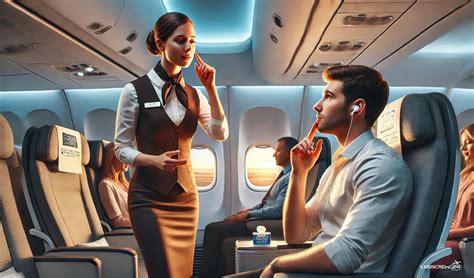
Commercial aviation looks calm on the surface: soft lighting, beverage carts, polite smiles. Beneath that polished calm is a constant, disciplined vigilance. Flight attendants are safety professionals first, trained to read a cabin the way a pilot reads instruments. Every glance, pause, and interaction is data. From the moment you step onboard to the instant the aircraft parks at the gate, you are part of a living system that they are actively monitoring.
The aircraft cabin is not a natural environment for humans. Pressurized air, confined space, stress, alcohol, fatigue, and altitude combine into a volatile mix. Flight attendants are acutely aware that small issues can escalate fast. Their job is to spot trouble early—before it becomes loud, dangerous, or forces a diversion that costs hundreds of thousands of dollars.
By the time the cabin door closes, the crew already has a mental map of risks, needs, and personalities onboard. Nothing about this is accidental.
Boarding Is the First Safety Checkpoint
Boarding is not downtime. It is reconnaissance.
As passengers enter, flight attendants quietly assess demeanor, posture, eye contact, speech, coordination, and mood. This is not judgment; it is risk management. Someone struggling to walk, slurring words, or showing visible agitation immediately stands out. So does someone coughing heavily, sweating excessively, or appearing disoriented.
This early scan allows the crew to intervene while the aircraft is still on the ground—where options exist. An intoxicated passenger, a visibly ill traveler, or someone showing aggressive body language can be addressed discreetly or removed before takeoff. Once airborne, those options shrink dramatically.
Flight attendants also evaluate carry-on size, clothing choices, and footwear during boarding. Oversized bags signal potential evacuation hazards. Inappropriate clothing—short skirts, synthetic fabrics, high heels—becomes a safety concern if slides must be used. Shoes matter. Clothing burns. Slides puncture. These details live permanently in a flight attendant’s mind.
At the same time, they are identifying passengers who may need extra help: the elderly, those with reduced mobility, parents juggling infants, or travelers with visible impairments. Seating location matters. In an emergency, seconds count, and the crew must already know who needs assistance and where they are.
Spotting Unruly Behavior Before It Ignites
Unruly passengers rarely explode without warning. There are tells.
Flight attendants are trained to recognize entitlement, hostility, exaggerated confidence, visible intoxication, and poor impulse control. Alcohol is the most common accelerant, often mixed with medication or anxiety. A passenger arguing loudly during boarding, refusing instructions, or pushing boundaries with humor is already on the radar.
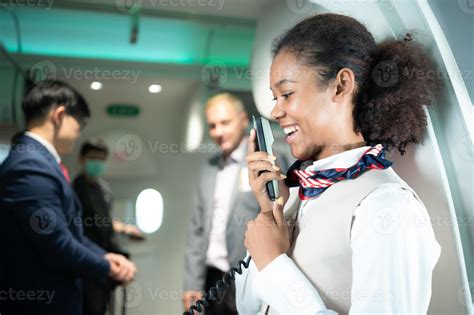
The goal is always prevention. If the crew believes someone poses a credible risk, they inform the flight deck. The captain has absolute authority to remove that passenger before departure. This is not about comfort. An unruly passenger is a direct threat to aircraft safety.
If a situation escalates in flight, the response is structured and decisive. Verbal de-escalation comes first. Warnings are documented. Alcohol service stops immediately. If behavior continues, physical restraint may follow, often with assistance from able-bodied passengers. The captain is notified, and diversion becomes a real possibility.
The consequences are severe: arrest on landing, heavy fines, liability for diversion costs, and permanent airline bans. Flight attendants know this, and they work relentlessly to prevent situations from ever reaching that point.
Special Assistance Is Carefully Planned, Not Improvised
Passengers who require special assistance are never an afterthought. They are part of the safety equation from the start.
This includes wheelchair users, visually or hearing-impaired travelers, elderly passengers, pregnant travelers, and families with small children. Flight attendants note their seating positions and mentally rehearse evacuation scenarios that include them.
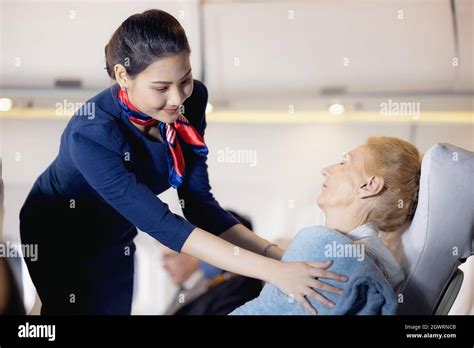
Medical readiness is equally important. Flight attendants watch for signs of illness throughout boarding and the flight: pale skin, labored breathing, chest discomfort, confusion. Some passengers are legally required to carry medical clearance letters, particularly those with serious cardiovascular or respiratory conditions.
Medical emergencies at altitude are unpredictable and unforgiving. While flight attendants are highly trained in first aid and emergency care, they also note doctors, nurses, and medical professionals onboard, should advanced assistance be needed. These decisions happen quietly, without spectacle.
Nervous flyers receive attention too. Fear of flying is common and entirely human. Flight attendants may reseat anxious passengers closer to the center of the aircraft—where turbulence feels milder—or near a jumpseat for reassurance. Emotional regulation is part of cabin safety.
Able-Bodied Passengers: The Hidden Emergency Resource
During boarding, flight attendants are also identifying Able-Bodied Passengers (ABPs). These are individuals physically capable of assisting in an evacuation and willing to follow instructions under stress.
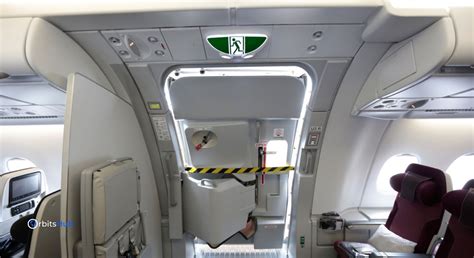
Ideal ABPs include off-duty pilots, cabin crew, firefighters, law enforcement officers, and physically fit travelers. Language matters too. Clear communication is critical, and English proficiency is often required.
In a planned emergency landing, ABPs may be briefed in advance. Their tasks can include operating emergency exits, stabilizing evacuation slides, assisting injured passengers, and directing evacuees away from the aircraft. In unplanned emergencies, their cooperation can save lives.
This is why exit-row seating comes with responsibility. It is not extra legroom; it is a safety role.
Clothing, Shoes, and the Physics of Survival
What passengers wear matters more than most people realize.
Flight attendants notice high heels, sandals, bare feet, and synthetic fabrics immediately. In an evacuation, high heels must be removed to prevent slide damage. Bare feet risk severe injury from debris, fire, or sharp metal. Polyester and nylon melt when exposed to heat, causing catastrophic burns.
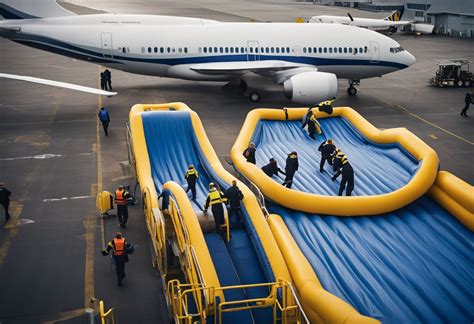
Natural fibers like cotton and wool are far safer. Long pants protect skin. Closed-toe shoes protect mobility. These are not fashion preferences; they are survival considerations.
Inappropriate or offensive clothing is also addressed. Clothing with explicit language or imagery can lead to intervention or removal. In emergencies, modesty is irrelevant—functionality is everything. A short skirt on an evacuation slide can result in serious injuries.
Monitoring the Cabin During Flight
Once airborne, vigilance continues.
Flight attendants constantly scan for behavioral shifts. Someone who was calm during boarding may become agitated after alcohol service. A group dynamic may change. A quiet passenger may suddenly appear unwell. These changes are subtle, and they are noticed.
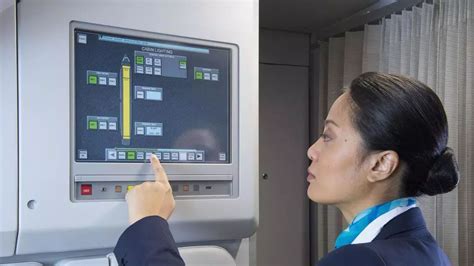
They also observe who ignores the safety demonstration. Non-compliance is noted because it correlates strongly with refusal to follow instructions during emergencies. Safety briefings are not background noise; they are legally and operationally critical.
More discreetly, flight attendants are trained to recognize signs of human trafficking, such as mismatched travelers, controlling companions, or passengers unable to speak freely. Drug smuggling indicators are also part of their training, though intervention follows strict protocols.
Throughout the flight, the cabin crew is essentially “reading the room,” recalibrating risk with every service round, interaction, and observation.
Why Unruly Behavior Has Become the Biggest Threat
The modern cabin faces a growing challenge: a sharp rise in unruly passenger incidents worldwide. Alcohol, stress, entitlement culture, and reduced tolerance for authority all contribute.
Flight attendants are empowered to refuse alcohol service, confiscate personal alcohol, and document behavior. These actions are preventative, not punitive. Once control is lost at altitude, consequences multiply fast.
Restraint is a last resort, but it is a tool crews are trained to use. Diversions are expensive, disruptive, and dangerous. Preventing one is a shared victory for crew and passengers alike.
The Quiet Skill Set Behind the Smile
Behind the service uniform is a demanding skill set: emotional intelligence, situational awareness, rapid decision-making, teamwork, and communication under pressure. Flight attendants operate within strict procedures, yet constantly adapt to human unpredictability.
They preempt problems rather than react to disasters. They assess risk before it becomes visible. Their success is measured by what never happens.
A smooth flight is not an accident. It is the result of relentless observation, disciplined training, and thousands of small decisions made quietly, correctly, and often invisibly.
The next time you board an aircraft, remember this: while you settle into your seat, someone is already making sure you arrive safely—by never missing a beat.