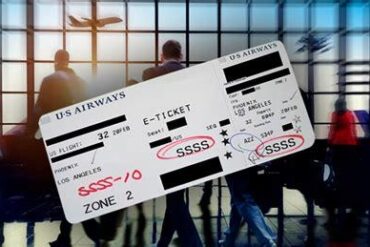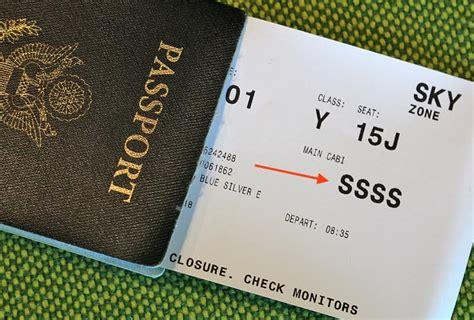
Airports are engineered for efficiency, yet nothing disrupts that rhythm faster than spotting four letters printed in stark capital type on your boarding pass: SSSS. For frequent flyers and first-time travelers alike, the code can trigger immediate concern. It signals that your journey through security may involve additional screening steps, including the possibility that the Transportation Security Administration (TSA) will swab your electronics or personal belongings for testing.
The designation stands for Secondary Security Screening Selection, a protocol issued under the authority of the Department of Homeland Security (DHS). While it may appear ominous, the presence of SSSS does not necessarily imply wrongdoing. In many cases, travelers are selected randomly. In others, the screening may stem from algorithmic risk assessments under the Secure Flight program, which compares passenger data against government watchlists.
Understanding what happens next—and why—can turn confusion into clarity.
What Triggers the SSSS Code?
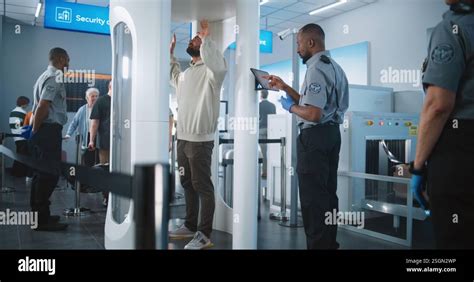
When SSSS appears on your boarding pass, it means you’ve been flagged for enhanced security measures before boarding. Contrary to popular belief, TSA agents at the checkpoint typically do not know the specific reason behind the designation. The system functions as a layered security model, blending automated risk analysis, identity verification, and discretionary selection.
Several factors may lead to the designation:
- Random selection through automated systems
- Data similarities to individuals on government watchlists
- International travel patterns or last-minute bookings
- Security assessments under DHS protocols
The lack of transparency surrounding specific triggers is intentional. Aviation security relies on unpredictability to deter threats. From a strategic standpoint, revealing detailed criteria would undermine the system’s deterrent value.
Why TSA May Swab Your Electronics
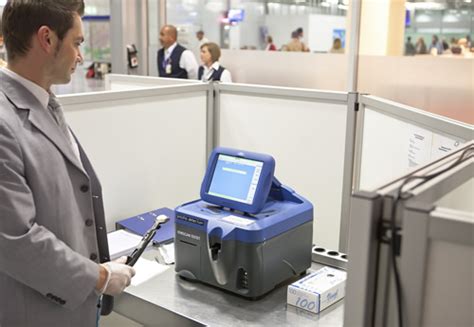
One of the most misunderstood aspects of enhanced screening is the swabbing of electronics. If you carry a laptop, tablet, smartphone, or even a camera, a TSA officer may wipe the surface with a small cloth. That cloth is then inserted into a machine designed for Explosive Trace Detection (ETD).
ETD technology can detect microscopic chemical residues associated with explosive materials. The system is extraordinarily sensitive, capable of identifying trace compounds invisible to the human eye. While DHS and TSA have not formally confirmed that SSSS is directly tied to ETD procedures, enhanced screening often includes this step.
The process itself is brief. Officers typically swab external surfaces and analyze the sample within seconds. In most cases, travelers are cleared quickly and proceed without further delay. The key point: the test does not examine your digital data, files, or browsing history. It analyzes chemical residue, not information.
The Secure Flight Program and Watchlist Confusion
The Secure Flight program plays a central role in passenger vetting. Managed by DHS, it cross-references traveler information—name, date of birth, and gender—against federal databases. If your identifying details closely resemble someone on a watchlist, even coincidentally, the system may trigger enhanced screening.
For travelers repeatedly misidentified, DHS offers a solution: the Traveler Redress Inquiry Program (TRIP). Through TRIP, eligible individuals can apply for a Redress Control Number (RCN). Entering this number when booking flights helps distinguish you from similarly named individuals.
An RCN reduces misidentification risk but does not eliminate the possibility of random or discretionary screening. Security layers remain dynamic by design.
How to Minimize Delays During Enhanced Screening
While no traveler can guarantee bypassing additional checks, preparation significantly reduces friction. Streamlining your checkpoint experience matters.
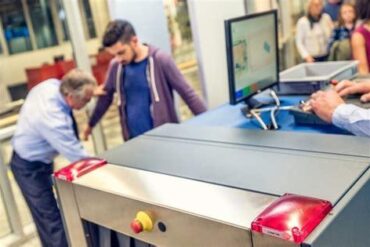
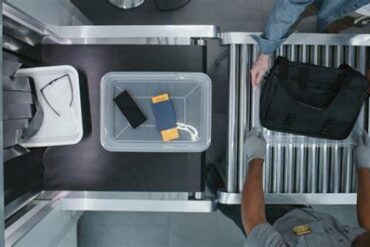
Empty your pockets before reaching the scanner. Remove large jewelry and bulky outerwear. Place laptops in separate bins when required. Ensure electronic devices are powered and capable of turning on if requested. Small actions reduce the likelihood of secondary bag searches or prolonged questioning.
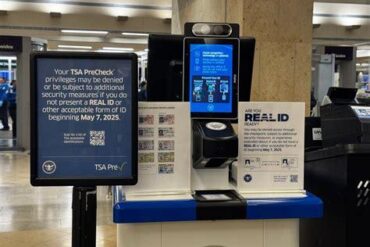
Programs like TSA PreCheck also help expedite processing, though even PreCheck passengers may occasionally encounter enhanced screening. Aviation security operates under a universal principle: flexibility preserves safety.
Why the System Exists
Air travel remains one of the safest modes of transportation precisely because of layered security measures. SSSS is not a verdict; it is a variable in a broader security equation designed to reduce risk in a complex environment.
The combination of algorithmic screening, ETD testing, discretionary authority, and redress options reflects a balancing act between efficiency and protection. It may slow your progress through the checkpoint, but it serves a calculated purpose within aviation security strategy.
Seeing SSSS on your boarding pass can feel inconvenient, even intrusive. Yet understanding what it represents—and what it does not—transforms uncertainty into informed awareness. In modern aviation, preparation is power, and knowledge makes even enhanced screening feel manageable rather than mysterious.