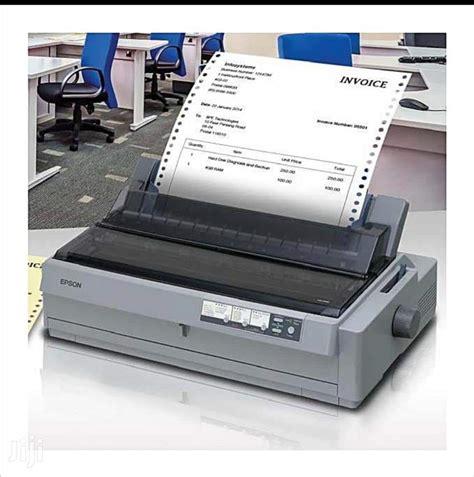
In an era defined by cloud computing, smartphones, and biometric boarding, it may seem baffling that airlines across the globe still rely on a relic of the 1970s—the dot matrix printer—to issue something as central to air travel as the boarding pass. Yet, this seemingly archaic technology continues to be a backbone of airport operations. To understand why, we must explore not only the technical resilience of dot matrix systems but also the regulatory, operational, and financial frameworks within which airlines operate.
The Mechanical Legacy: Why Dot Matrix Was Built to Last
At the heart of a dot matrix printer is a robust impact-based printing mechanism, which physically strikes an ink-soaked ribbon to imprint characters on paper. This method, a direct descendant of the typewriter, may seem primitive by today’s standards, but it brings a level of durability and endurance unmatched by modern inkjet and laser printers.
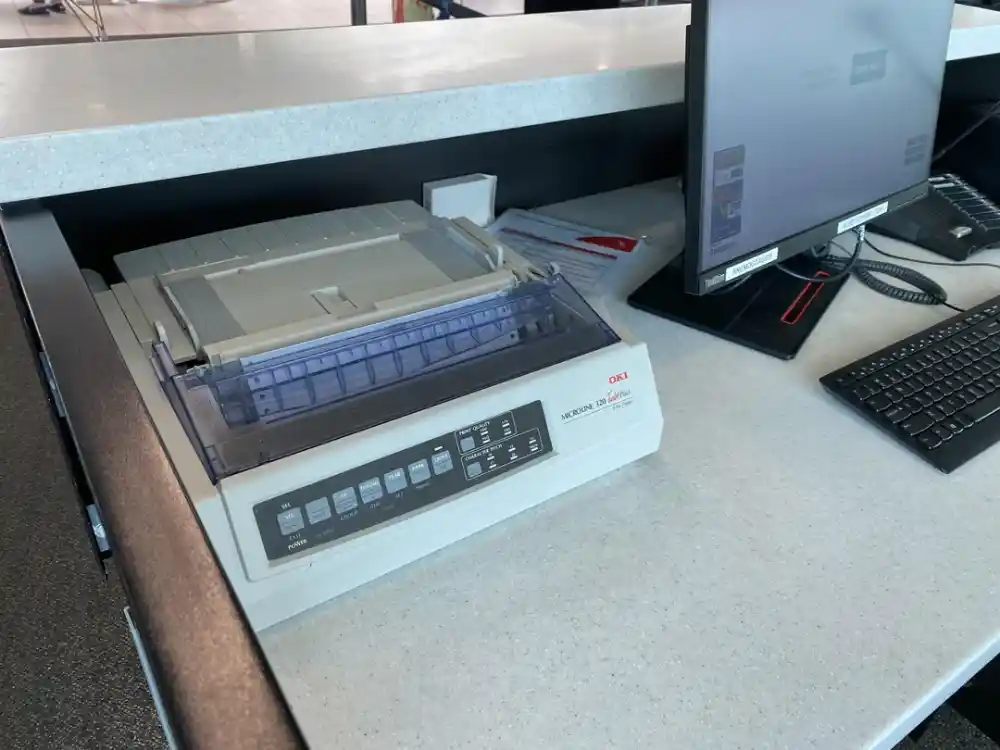
These printers are designed to thrive in environments that are dusty, noisy, or prone to vibrations—conditions typical in airport tarmacs, back offices, and check-in counters worldwide. In many ways, their mechanical simplicity is their strength. The technology might be old, but its reliability is time-tested.
Reliability Over Aesthetics: Why Airlines Stick With Proven Systems
For airlines, reliability isn’t just a preference—it’s a mandate. A malfunctioning printer at a check-in counter can lead to delays, missed flights, and a cascade of customer service issues. Dot matrix printers, often described as “tank-like,” require minimal maintenance, are rarely affected by temperature swings or humidity, and can function continuously for hours.
Modern printers, while boasting superior quality and speed, often need more delicate handling, expensive maintenance, and frequent software updates. Airlines operate on tight margins and tight timelines, and even minor technological hiccups can have major financial and operational repercussions. When you’re processing thousands of passengers a day, predictability and uptime trump finesse.
Regulatory Lock-In: How Aviation Standards Shape Equipment Choices
A less visible—but incredibly influential—reason for the continued use of dot matrix printers lies in the regulatory standards imposed by global aviation authorities such as the FAA (Federal Aviation Administration) and IATA (International Air Transport Association). These organizations define not just the formatting of documents, but also the mechanisms by which data is recorded and archived.
In many cases, legacy documentation standards were built with impact printing in mind. As a result, airlines often find themselves locked into systems where replacing the printers would require overhauling certified processes, re-testing software, and obtaining new compliance certifications—a process that is both costly and bureaucratically burdensome.

Cost Control: Why Dot Matrix Makes Economic Sense
Economics is another driving force behind the persistence of these machines. Dot matrix printers are considerably cheaper than their modern counterparts—not just in terms of upfront cost, but also in total cost of ownership.
- No expensive cartridges: Dot matrix printers use ink ribbons that are both cheap and long-lasting.
- Low software demands: These printers don’t require new drivers, firmware, or compatibility layers to integrate with older mainframe systems still in use by many airlines.
- Minimal repairs: Their mechanical structure is simpler, making them easier to service.
In contrast, replacing them with newer models often means massive infrastructure upgrades, from the servers that process passenger manifests to the kiosks at airports.
The Simplicity Advantage: When Less is More
Boarding passes are functional, not artistic. They contain basic alphanumeric data—flight number, passenger name, gate number, barcode or QR code. Dot matrix printers, despite their crude resolution, fulfill this basic requirement without excess. Unlike inkjet printers, which may struggle with thin paper or require drying time, dot matrix prints are instantly legible, smudge-proof, and robust.
Their ability to produce multi-part carbon copies is also valuable in settings where triplicate forms, customs paperwork, or baggage claim documents need to be printed simultaneously. This feature alone keeps dot matrix relevant in non-passenger-facing roles, where digital replacements aren’t yet feasible or accepted.
Beyond Airports: Other Industries Still Love Dot Matrix
The airline industry is far from alone in its reliance on dot matrix printers. These machines continue to be the workhorses of factories, automotive garages, logistics hubs, and shipping docks. In such settings, where ruggedness and reliability matter more than sleek fonts or high-resolution graphics, dot matrix remains king.
Digital Boarding Passes vs Paper: A Transition, Not a Replacement
One might argue that the rise of mobile boarding passes has rendered paper passes obsolete. While it’s true that many travelers now check in via mobile apps and receive digital passes directly on their phones, this transition is far from complete.
Numerous airports around the world still mandate printed boarding passes, especially in regions where smartphone penetration is low or where security policies require physical documentation. Furthermore, certain types of travel—such as international flights with visa checks or code-sharing routes—often necessitate hard copies for verification across multiple systems.
In these situations, dot matrix printers continue to serve a critical fallback role, ensuring that operations run smoothly even when digital solutions fail or aren’t viable.
Legacy Systems and Vendor Lock-In
Airlines operate on legacy IT systems that date back to the 1980s and 1990s. From passenger service systems (PSS) to departure control systems (DCS), many of these platforms were coded to interface directly with dot matrix printers via serial or parallel ports.
Introducing newer printers often means developing custom middleware or replacing entire systems—costing millions and introducing potential instability into mission-critical processes. In an industry where change can cause disruptions that ripple across global networks, airlines understandably choose incremental upgrades over wholesale replacement.
Environmental Considerations: A Double-Edged Sword
While it’s tempting to assume that newer printers would be more environmentally friendly, dot matrix printers hold their own in some areas. Their low energy consumption, long lifespan, and minimal consumable waste (thanks to long-lasting ribbons and simple mechanisms) reduce their environmental footprint over time.
On the flip side, their reliance on impact printing technology does produce more noise and slower output, but for a limited and specific purpose like boarding passes, these drawbacks are largely irrelevant.
The Future: Will Dot Matrix Finally Disappear?
It’s inevitable that the dot matrix printer’s days are numbered, but the end won’t come as a sudden switch-off. Airlines will likely phase them out gradually, as newer airports are built with digital infrastructure, and as next-gen regulatory frameworks begin to accommodate alternative technologies.
Still, we anticipate a long tail for dot matrix printers, especially in backup roles or in regions where digital transformation is slower. Their resilience, low cost, and regulatory compatibility ensure that they remain part of aviation’s back-end machinery for the foreseeable future.
Conclusion: A Legacy That Endures
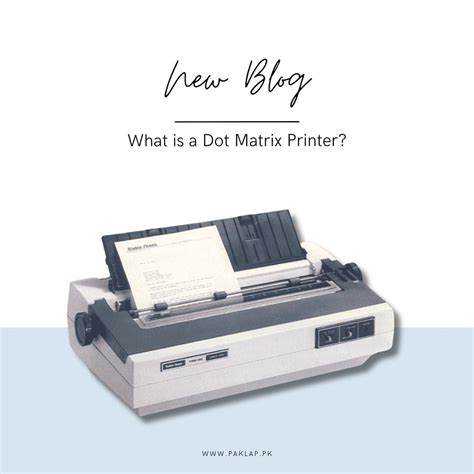
While modern travel dazzles us with smart gates, biometric scans, and real-time notifications, it’s a clunky, gray, ribbon-clad device from a bygone era that still shoulders the critical task of printing boarding passes. The dot matrix printer endures not because of nostalgia, but because it meets the complex intersection of regulatory compliance, cost efficiency, operational reliability, and infrastructural inertia.
In an industry where every second counts, and where delays cascade across continents, stability is sacred. And for now, dot matrix printers provide just that—unfailing, unfussy, and unshakably reliable output in a turbulent world of change.