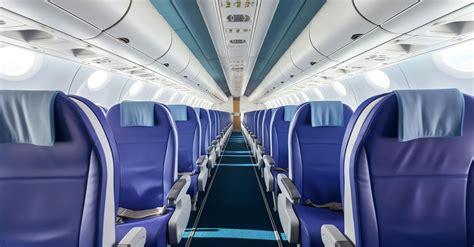
For many travelers, boarding an airplane brings a distinct sensory experience. Beyond the sight of narrow aisles and the sound of luggage wheels dragging across the cabin floor, there is often a noticeable peculiar smell in the air. Some passengers describe it as sharp, metallic, oily, or even reminiscent of burning fuel. This unusual odor has sparked curiosity and sometimes concern, but the truth behind it is rooted in the engineering systems of modern aircraft. Understanding where these smells come from not only reassures passengers but also sheds light on the complex world of aviation technology and safety.
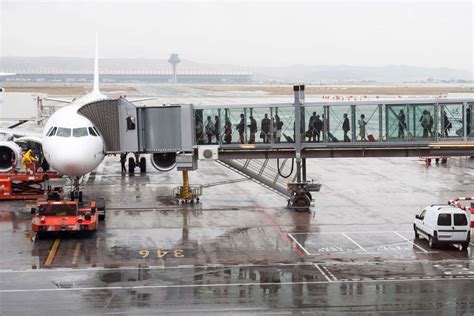
Why Airplane Cabins Smell Different During Boarding
When boarding a flight, the engines of the aircraft are typically not running at full power. Instead, a specialized engine system known as the Auxiliary Power Unit (APU) is in operation. This unit, located at the tail of the plane, is responsible for providing electrical power and pressurized air to the aircraft while it is on the ground.
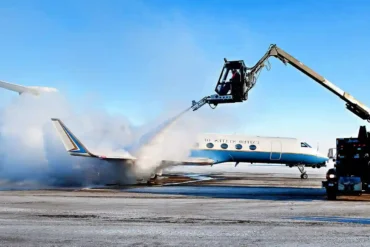
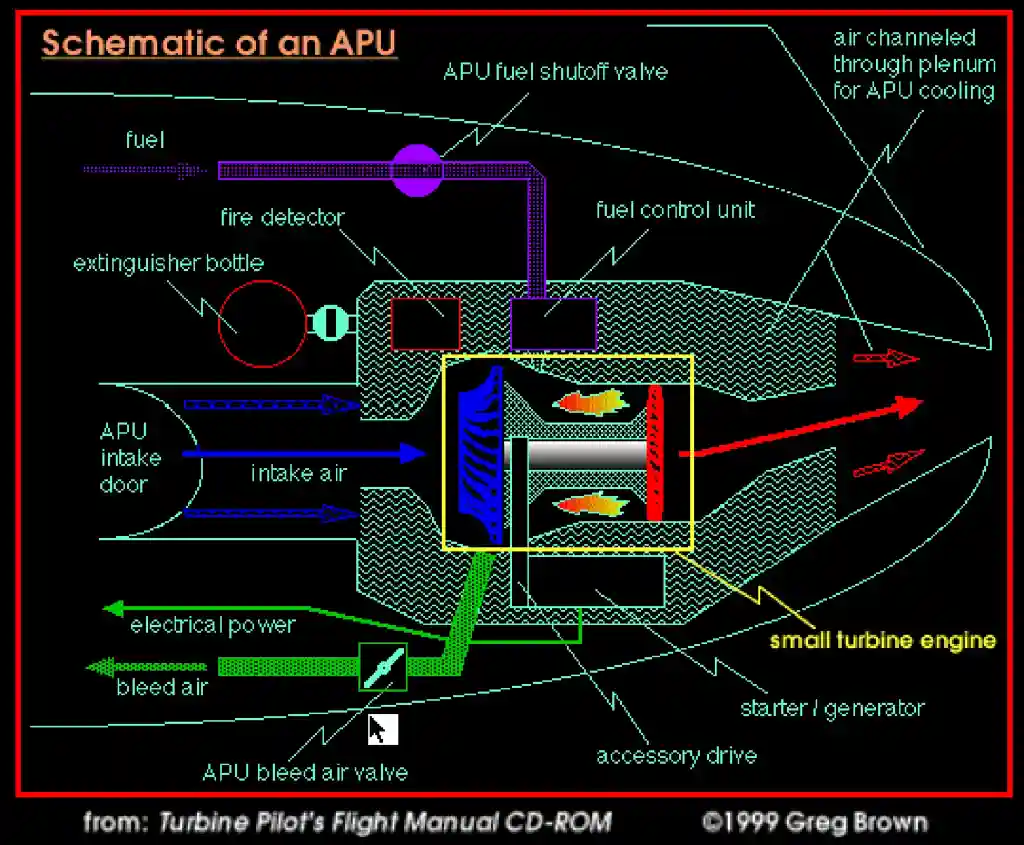
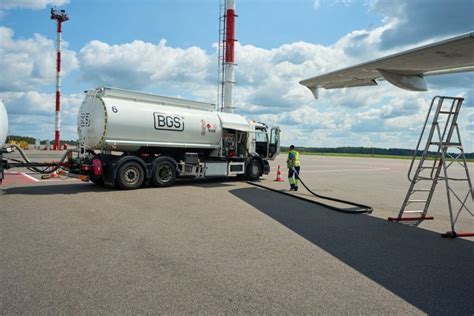
The APU burns jet fuel in a smaller turbine engine, and during this process, it can release fume-like odors that travel into the cabin’s ventilation system. Since the APU is often positioned close to ground-level exhaust vents and fuel trucks, it can also draw in external airport odors, including lingering fuel vapors, exhaust from ground vehicles, and de-icing chemicals during winter months. This combination creates the distinct cabin smell many passengers notice as they find their seats.
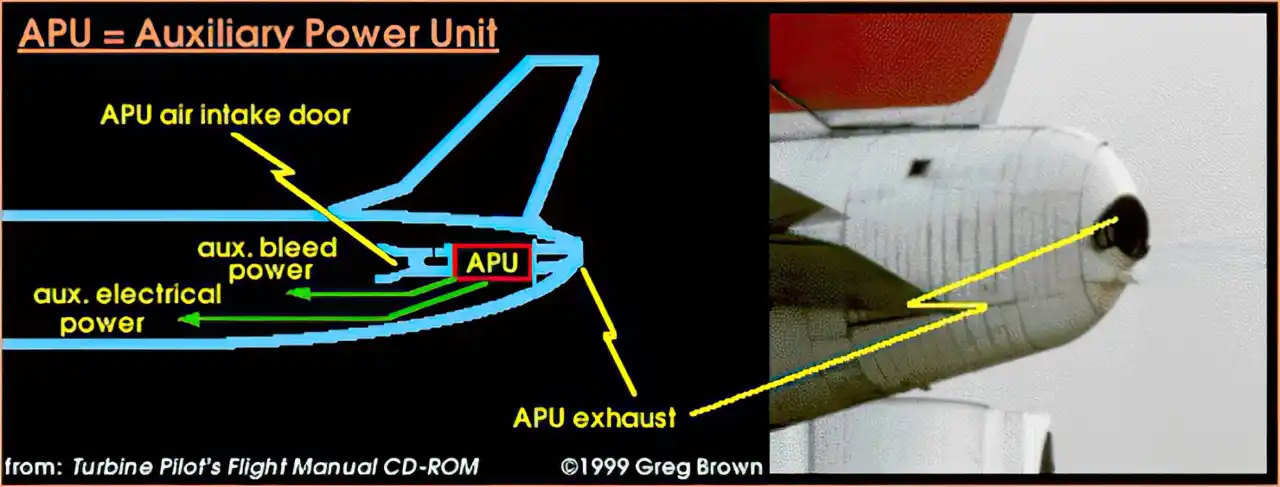
How the APU Works
The Auxiliary Power Unit plays an essential role during ground operations and initial engine startup. It serves three primary functions:
- Electrical Power Supply – The APU generates electricity for cabin lights, avionics, and other onboard systems before the main engines are running.
- Air Conditioning – It provides compressed air that powers the environmental control system, regulating the cabin temperature while the aircraft is at the gate.
- Engine Start-Up – It supplies hot, pressurized air needed to start the aircraft’s primary engines.
This hot, compressed air is often the direct source of the fuel-like odor passengers smell. Since the air used in the cabin is partly drawn from these systems, traces of the APU’s exhaust can infiltrate the ventilation ducts, carrying a kerosene-like aroma into the cabin.
Normal Odors vs. Concerning Fumes
Most of the time, the smells passengers encounter during boarding are harmless and part of normal aircraft operations. However, aviation authorities and unions, such as the International Federation of Air Line Pilots’ Associations (IFALPA), acknowledge the possibility of serious fume incidents. These incidents can result in temporary discomfort or, in rare cases, impairment among crew members.
Cabin crew are trained to recognize and distinguish between various odors, such as:
- Fuel fumes – originating from the APU or main engines.
- Oil or hydraulic fluid odors – indicating possible leaks or mechanical issues.
- De-icing fluid smells – often noticed during winter operations.
- Exhaust fumes – entering the aircraft from ground service vehicles.
- Galley or cleaning product smells – unrelated to aircraft systems but noticeable to passengers.
Cabin Air Quality Monitoring
Airlines invest in extensive training programs to ensure flight attendants can recognize unusual smells and escalate them to the flight deck when necessary. This practice is part of Cabin Air Quality Event protocols. Pilots have dedicated procedures to address possible contamination, including switching off air supply packs or increasing ventilation rates.
The table below summarizes common cabin odors and their likely sources:
| Odor Detected | Probable Source | Safety Concern |
|---|---|---|
| Fuel-like, kerosene | Auxiliary Power Unit (APU) exhaust | Usually harmless, monitor if strong |
| Oily, chemical scent | Engine or APU oil leak | Possible mechanical issue, report |
| Sweet or sharp odor | De-icing fluids | Common in winter, low concern |
| Exhaust/diesel-like | Ground service vehicles | External odor, low concern |
| Strong cleaning products | Galley or lavatory maintenance | Harmless, non-system related |
Why the Smell Seems Stronger During Boarding
Passengers often perceive the smell as strongest during boarding because of several factors:
- Static Cabin Airflow – With doors open and ventilation running at reduced efficiency, odors can linger.
- Proximity to Ground Activity – Aircraft parked at gates are surrounded by fuel trucks, baggage carts, and service vehicles.
- Engine Transition – Once the main engines start, the APU is shut down, and fresh airflow quickly dilutes any lingering odors.
This is why many passengers notice the strange smell only before takeoff, with the cabin air noticeably fresher once the aircraft reaches cruising altitude.
Health and Safety Perspectives
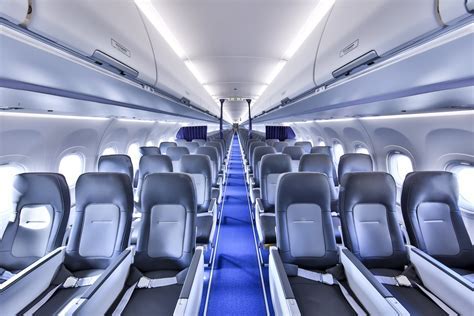
While the APU-related smell may be unsettling, it is typically not hazardous. Aviation authorities stress that aircraft cabins are safe environments, and modern filtration systems ensure high-quality air circulation once in flight. The recirculation systems on most modern aircraft combine outside air with HEPA-filtered recirculated air, maintaining oxygen levels comparable to outdoor environments at high altitudes.
However, concerns about chronic exposure to low levels of fumes have been raised. Organizations like IFALPA continue to call for more research into long-term crew exposure, ensuring that safety standards evolve alongside aircraft technology.
How Airlines Minimize Cabin Odors
Airlines employ several measures to reduce passenger discomfort caused by boarding odors:
- Improved Seals and Filters – Modern aircraft are equipped with enhanced air filtration systems to minimize the intrusion of APU exhaust.
- Operational Procedures – Flight crews may adjust APU usage depending on conditions at the airport.
- Ground Power Units (GPUs) – Some airports supply electrical power externally, reducing the need for APU operation while parked at the gate.
- Regular Maintenance – Ensuring seals, ducts, and filters are in optimal condition prevents excessive fumes from entering the cabin.
These efforts collectively help balance the need for operational efficiency with passenger comfort.

Passenger Reactions and Misconceptions
For many travelers, the smell raises concerns of fuel leaks or mechanical failure. While this anxiety is understandable, aviation professionals emphasize that such odors are a routine byproduct of ground operations. In fact, most cabin odors disappear entirely within minutes of engine startup and takeoff, when stronger airflow and pressurization cleanse the air system.
Passengers who remain sensitive to these smells can request reassurance from flight attendants, who are well-equipped to explain the source and assess whether the situation requires further action.
FAQ
Why do airplane cabins smell like fuel during boarding?
This smell is usually caused by the Auxiliary Power Unit (APU), which provides power and compressed air before the main engines start. The exhaust and external airport odors can enter the cabin ventilation system, creating a temporary fuel-like scent.
Are these smells dangerous to passengers?
In most cases, no. The odors are harmless and disappear once the aircraft engines start. However, crew members are trained to detect unusual fume events and report them if safety could be compromised.
Can airlines completely eliminate the strange smell?
Not entirely. While modern filtration systems and ground power units reduce the need for APU use, the unique environment of an airport—fueling operations, ground vehicles, and de-icing—means occasional odors will remain part of the boarding experience.