Helicopters have revolutionized modern transportation, search and rescue operations, and military logistics with their vertical takeoff and landing capabilities. But one symbol has become synonymous with their operation across rooftops, hospitals, oil rigs, and even makeshift terrain: the giant ‘H’ on helipads. While it might seem like a straightforward marker, the true purpose of the ‘H’ on helipads is rooted in aviation safety, operational clarity, and global standardization. Here’s a deep dive into what makes this letter critical.
The ‘H’ as a Universal Landing Signal
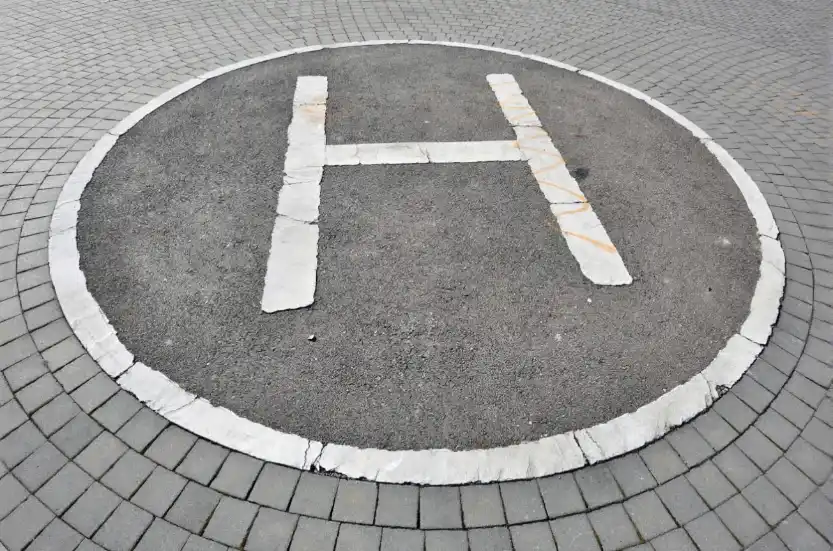
The large ‘H’ found at the center of most helipads is more than just a visual cue—it’s a universal symbol that communicates vital information to helicopter pilots. The primary function of the ‘H’ is to denote a designated Helicopter Landing Area, ensuring that pilots can identify the exact Touchdown and Liftoff Area (TLOF) from a distance. In open terrain or cluttered urban environments, this clarity is vital.
The Federal Aviation Administration (FAA) has laid out detailed guidelines in Advisory Circulars on how helipads should be marked. According to their 2004 circular, the ‘H’ should be centrally positioned within the TLOF and aligned with the preferred approach and departure path. This visual alignment provides pilots with immediate orientation, even under pressure or poor visibility.
Why Precision Matters in Helicopter Landings
Unlike airplanes, helicopters can land in confined spaces. However, this flexibility introduces unique risks. The danger isn’t just in misjudging the location but also in underestimating the hazards surrounding a landing zone. Power lines, antennas, rooftop equipment, and even trees can cause catastrophic accidents. That’s why Apache helicopters are equipped with inbuilt wire cutters—a chilling reminder of the potential threats that hover at rotor height.
The ‘H’ acts as a target zone that must remain unobstructed. This wide, clearly marked area allows for a safe approach path, accounting for rotor diameter and potential wind shear. Pilots rely on visual markers like the ‘H’ to calculate descent trajectories and touchpoints, especially during medevac missions where time is critical, and visibility is often poor.
Additional Symbols and Their Meanings
Beyond the ‘H’, helipads often contain auxiliary markings that provide additional operational data. For example:
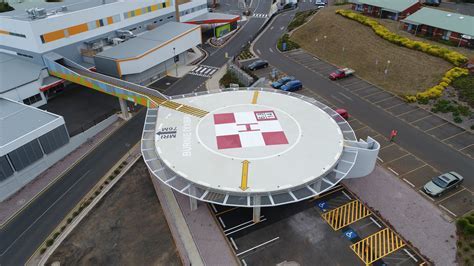
- A bar beneath the H denotes the preferred direction for approach and departure. This directional guide is especially helpful in complex terrains or rooftop environments where crosswinds or obstacles limit viable paths.
- Numerals on the pad denote weight restrictions. A helipad marked with “12” signifies a 12,000-pound weight limit, crucial for ensuring structural integrity during landings.
- Boxed indicators inside the helipad often specify size and load limitations, ensuring that helicopters exceeding certain specifications do not attempt landing.
The Standardization of Safety Through Markings
Just like runway lighting or air traffic control patterns, helipad markings form part of a global aviation language. These visual cues are crafted with visibility in mind—bold contrast, high paint durability, and optimal font sizing. In high-risk environments like offshore oil rigs or rooftop hospital helipads, a missed or misread marking can be the difference between a smooth landing and a tragic accident.
The FAA mandates that weight limitation numbers be at least three feet tall, with a contrasting background to ensure readability even in adverse weather or dusk light. These standards ensure that even under stress or reduced visibility, a pilot will not mistake one pad for another—or overlook a critical warning.
Temporary vs. Permanent Helipads
Helipads can vary drastically depending on their purpose and environment. Permanent helipads are typically found at hospitals, corporate rooftops, airports, and military bases. These pads often include reinforced surfaces, lighting systems, wind cones, and full-size TLOF markings. Some are located on heliports, which may include fueling stations, maintenance bays, and pilot lounges.
On the other hand, temporary helipads are deployed in emergency or disaster relief scenarios. Consider the impromptu helipads constructed during the 2013 Uttarakhand floods in India, where helicopters had to land on rough, hastily cleared patches of jungle terrain. In such cases, the ‘H’ might be painted on with lime or chalk, but it still provides a critical navigational reference.
The Birth of the Helipad: A Wartime Innovation
The history of helipads dates back to wartime necessity. During the Korean War, helicopters like the Bell H-13 Sioux revolutionized battlefield medicine by transporting the wounded directly to surgical units. These early medevac missions necessitated designated landing spots—and thus, the earliest functional helipads were born.
By the Vietnam War, helipads had become essential infrastructure. In fact, the war featured what Guinness World Records recognizes as the largest heliport in history, located in An Khe, Vietnam. This facility accommodated up to 435 helicopters, acting as a logistical hub in the dense jungle theater.
Today, that legacy continues in civilian contexts, with helipads forming the backbone of air ambulance systems, corporate shuttles, tourism flights, and disaster response units. But whether in war or peace, the humble ‘H’ remains the constant.
Urban Rooftops to Offshore Rigs: The Versatility of the ‘H’
The ‘H’ is not just a military relic—it’s essential in modern metropolitan architecture. Rooftop helipads, particularly on hospitals and skyscrapers, must conform to strict building codes. These pads are often made of aluminum decking, composite metal grids, or reinforced concrete to support the dynamic loading of a helicopter landing and taking off.
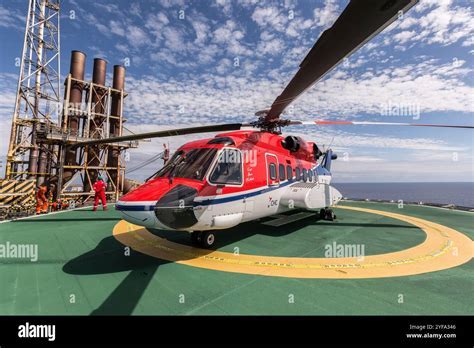
In areas where space is constrained, such as New York City or Tokyo, the helipad is a strategic lifeline. Air ambulances save critical minutes bypassing urban gridlock. Similarly, offshore oil rigs use helipads to ferry workers and supplies in environments where boats are too slow or seas too rough. In both cases, the ‘H’ is not just functional—it’s life-saving.
The Role of Technology in Helipad Design
Modern helipads go beyond painted symbols. LED perimeter lights, infrared beacons, and heated landing surfaces have become part of high-end installations. These allow landings at night or during snow without losing visual clarity. Even the ‘H’ is sometimes designed with non-skid paint, helping prevent slip hazards during rain or snow.
Advanced installations may also integrate with GPS and landing automation systems, allowing pilots to input the helipad’s coordinates for automated descent calculations. Still, despite this technological sophistication, the core design—a big white ‘H’ on a contrasting background—remains unchanged. That’s the power of universally understood design.
Misconceptions and Clarifications
A common misconception is that the ‘H’ is merely a convenience or decorative marker. In reality, helipad markings are legally regulated and safety-critical. They are subject to routine inspections, repainting schedules, and compliance reviews. Aviation regulators in countries around the world—whether it’s the FAA in the United States or the EASA in Europe—have strict guidelines about helipad markings, lighting, and maintenance.
Additionally, the ‘H’ is not interchangeable. It cannot be used for general aircraft or drones. Nor can an area marked with an ‘H’ be casually used as a storage or parking space. Doing so would violate aviation regulations and pose serious safety risks.
Conclusion: A Letter That Saves Lives
The giant ‘H’ on helipads is more than paint—it is a high-contrast symbol of precision, safety, and engineering discipline. Its simplicity belies the wealth of information and reassurance it provides to pilots navigating complex environments. From war zones to hospitals, from natural disasters to urban high-rises, the ‘H’ guides the safe descent of helicopters, often under life-threatening conditions.
When viewed from above, that bold letter represents something larger: the intersection of human ingenuity and aerial mobility. It’s not just a letter—it’s a landing promise, engineered clarity, and sometimes, a silent lifesaver.