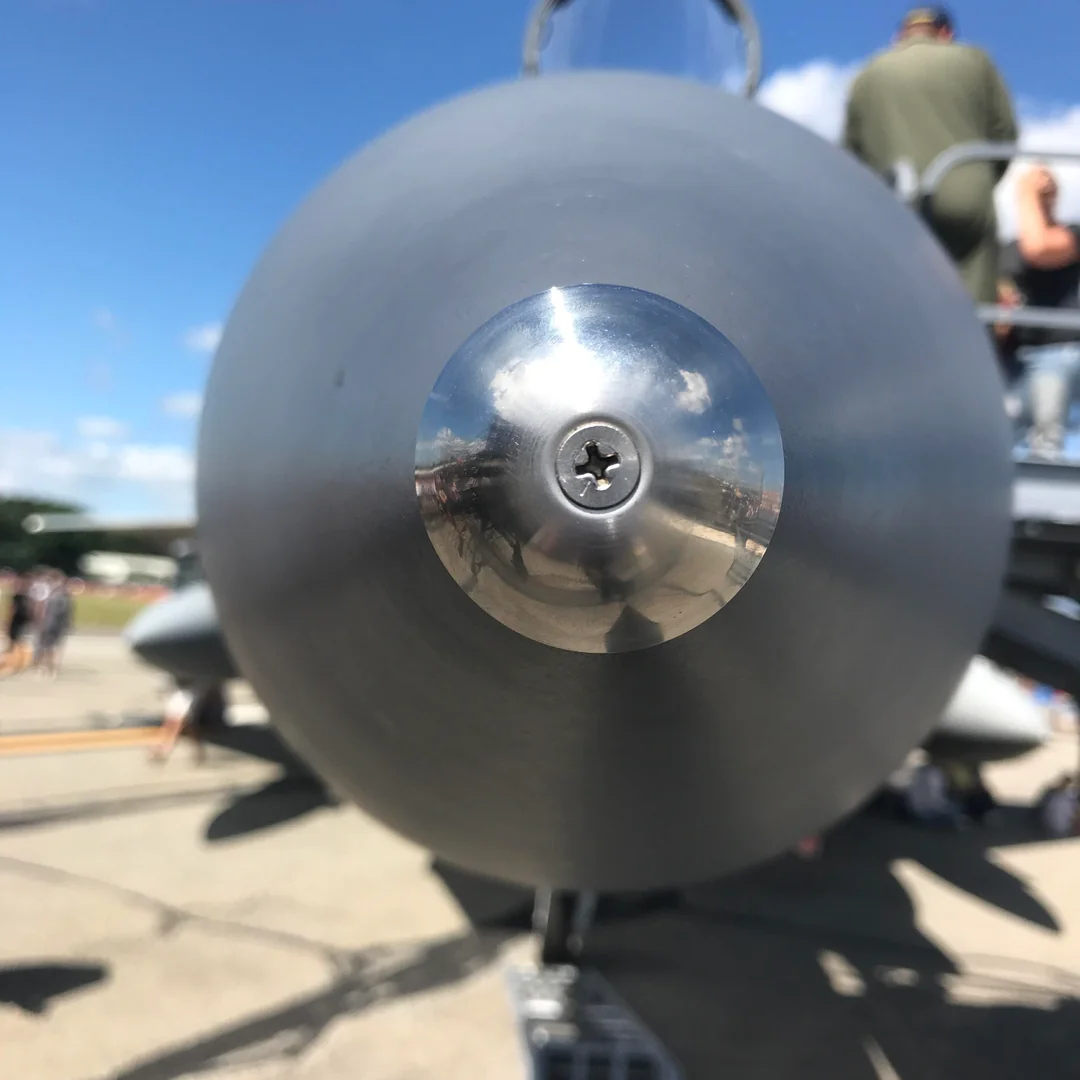
The F-15 Eagle, a dominant air superiority fighter, is renowned for its exceptional speed, agility, and advanced radar systems. Among the various features of this aircraft, one peculiar detail that often sparks curiosity is the screw on its nose. This seemingly insignificant component has been the subject of speculation, myths, and humorous exaggerations, including the widely circulated idea that it is a “million-dollar screw.” While this claim is more of a joke than reality, the screw does serve a crucial function in the aircraft’s overall design.
The Function of the Nose Screw on the F-15
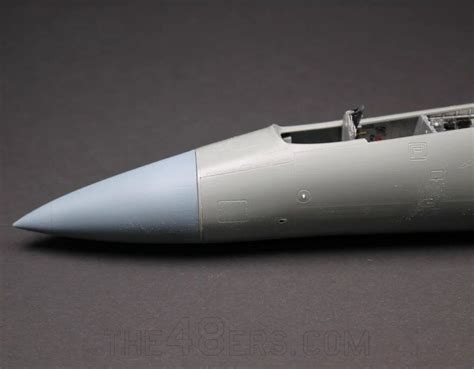
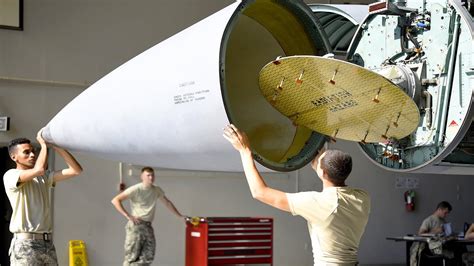
The screw located on the radome of the F-15 plays an essential role in securing a metal cap or radome cover over the aircraft’s nose. This cover is designed to protect the radar antenna and other sensitive electronic equipment housed within the radome. Given the high-speed nature of the F-15, this protective measure is critical for ensuring the longevity and functionality of its radar systems.
Securing the Radome Cover
The radome of the F-15 houses advanced radar equipment, including the AN/APG-63 or AN/APG-70 radar, depending on the variant. These radars provide superior targeting, detection, and tracking capabilities essential for air superiority missions. The nose screw ensures that the radome cover remains securely fastened during extreme flight conditions, including high-G maneuvers, supersonic speeds, and turbulent weather conditions.
While it may appear to be just a simple Phillips head screw, its presence is indispensable for preventing unwanted vibrations or displacements that could compromise the integrity of the radar housing.
Is the “Million-Dollar Screw” Myth Real?
The term “million-dollar screw” is an exaggeration rather than a factual statement. In reality, the screw itself is not extraordinarily expensive. However, the importance of what it secures—the radar system—justifies the value associated with it. Any malfunction or damage to the radar could result in significant repair costs, making this small yet essential component a necessary feature.
Maintenance and Accessibility
Facilitating Quick Access for Maintenance
The radar and other sensor systems within the radome require routine maintenance, calibration, and potential replacement over the aircraft’s operational lifetime. The nose screw system allows for quick removal and reinstallation of the radome cover, ensuring that ground crews can efficiently perform inspections and necessary repairs. Similar modular maintenance designs are also common in other military aircraft and even UAV ground control systems, where fast and efficient servicing is a priority.
Durability and Environmental Protection
In addition to securing the radome, the screw plays a minor yet crucial role in protecting the aircraft’s sensitive components from external environmental factors such as moisture, high-altitude pressure changes, and debris from air turbulence. Ensuring a tight seal around the radome prevents exposure that could degrade electronic components over time.

Aerodynamic Considerations
Strengthening the Structural Integrity
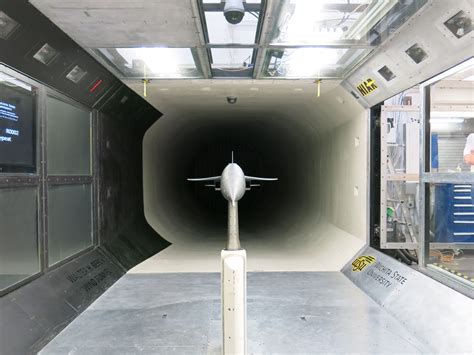
Since the F-15 operates at high speeds exceeding Mach 2, the aircraft experiences intense aerodynamic pressure on all surfaces, including the radome. While the radome itself is constructed from specialized composite materials designed to minimize resistance, the screw enhances stability by reinforcing the connection between the cover and the internal frame.
Impact on Flight Performance
Although small, the screw is positioned in a way that ensures minimal aerodynamic disturbance. Its flush design prevents excessive drag, which is crucial for maintaining optimal performance. Engineers have meticulously calculated its placement to ensure that it does not interfere with the aircraft’s radar cross-section (RCS) or introduce any structural weaknesses.
Similar Features in Other Aircraft
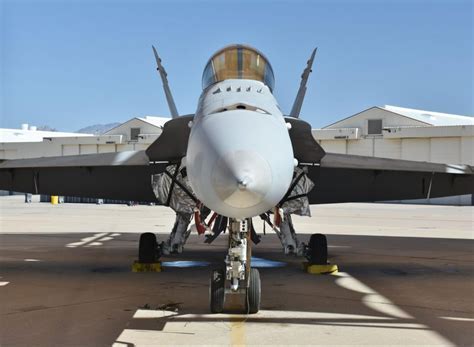
The F-15 is not the only aircraft that features a radome screw for securing its nose cap. Many other fighter jets, including the F/A-18 Hornet, also incorporate similar fastening mechanisms. This design choice is primarily dictated by the necessity of securing delicate radar systems while allowing for ease of maintenance and modular component replacement.
However, the F-15’s prominence and long-standing service history have made its nose screw a more frequently discussed topic compared to other aircraft.
Common Misconceptions About the F-15 Nose Screw
Myth: Removing the Screw Causes the Aircraft to Fall Apart
One of the humorous yet incorrect assumptions is that removing the nose screw will cause the F-15 to disintegrate mid-flight. In reality, the screw is not a structural linchpin. While it is crucial for keeping the radome in place, its absence would not compromise the entire aircraft’s airframe integrity. However, without it, the radome could loosen over time, potentially affecting radar performance.
Myth: The Screw Costs a Million Dollars
Despite the nickname “million-dollar screw,” the actual cost of this component is nowhere near that amount. However, considering the value of the radar system it protects, any malfunction resulting from improper sealing could lead to costly repairs, making the function of the screw highly significant.
Conclusion
The nose screw on the F-15 Eagle, though seemingly small and unremarkable, plays a vital role in securing the radome cover, maintaining radar system integrity, and supporting aerodynamic stability. While the myth of it being a “million-dollar screw” adds to its intrigue, its primary function is rooted in practical engineering principles. Similar fastening mechanisms can be found in other aircraft, reinforcing their necessity in modern military aviation.
Frequently Asked Questions (FAQ)
Why does the F-15 need a screw on its radome?
The screw secures the radome cover, protecting the radar system inside from environmental damage and aerodynamic forces during flight.
Can the F-15 fly without the nose screw?
Yes, the F-15 can technically fly without the screw, but its absence could lead to potential issues with the radome cover loosening over time, affecting radar performance.
Is the “million-dollar screw” actually that expensive?
No, the term is more of a myth or joke. The screw itself is not particularly costly, but the radar system it secures is extremely valuable, making its function critical for the aircraft’s operational effectiveness.