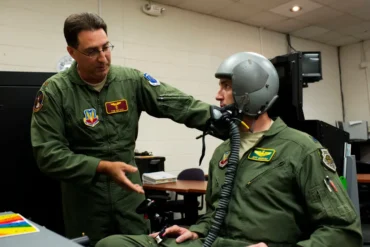
Fighter pilots are often considered to be among the most elite athletes in the world, subjecting their bodies to extreme conditions during training and combat missions. The demands of flying high-performance aircraft at high altitudes, pulling high G-forces, and being subjected to stress and physical strain often result in unique health challenges that go beyond what most people encounter in their everyday lives. In this article, we will explore the health problems that fighter pilots commonly face, their impact on their careers, and the challenges associated with maintaining optimal health while in the cockpit.
Physical Strain: The G-Force and Its Impact on the Body
One of the most significant health risks faced by fighter pilots is the extreme physical strain caused by high G-forces. During high-speed maneuvers, fighter pilots can experience forces as high as 9G (nine times the force of gravity), which can be physically taxing. These forces are primarily felt in the pilot’s head, neck, and spine.
Neck Strain and Injury
A critical area of concern for fighter pilots is neck strain. When a fighter jet executes sharp turns or rapid changes in direction, the pilot’s head and neck are subjected to tremendous forces. As the average human head weighs approximately 5 kilograms (about 11 pounds), a 5G turn can increase the effective weight of the head to 25 kilograms (55 pounds). Holding this additional weight in place during high-speed maneuvers, often while attempting to track multiple targets or look for incoming threats, places significant stress on the neck muscles and cervical spine.
In some cases, the strain can result in chronic neck pain, muscle spasms, and even long-term spinal damage. While neck injuries were less frequently reported in earlier years of aviation, they have become a more notable concern in recent decades due to the increased speed and maneuverability of modern aircraft.
Back Problems and Spinal Health
Back problems are another common health issue among fighter pilots. The repetitive stress of high G-forces, along with the rigid ejection seat that pilots are strapped into, can lead to discomfort and injury over time. When pulling high Gs, the spine is compressed, and the constant movement of the body during these maneuvers can lead to chronic back pain or even more serious spinal conditions like herniated discs.
The Role of G-Suits in Protecting the Body
To mitigate the effects of high G-forces, pilots wear special pressure suits known as G-suits. These suits apply pressure to the lower body, helping to maintain blood circulation and prevent G-induced Loss of Consciousness (GLOC). While G-suits help protect pilots from some of the immediate physical effects of G-forces, they do not completely eliminate the strain placed on the body. As a result, even with proper equipment, neck and back problems are still common among fighter pilots.
Ergonomics and Seating: The Issue of Ejection Seats and Discomfort
Fighter pilots spend extended periods strapped into ejection seats, which are designed to secure the pilot in place during high-speed flight and provide protection during emergency ejections. However, these seats are not particularly comfortable, especially for long missions. The discomfort caused by sitting on hard, unpadded surfaces for hours on end can lead to conditions such as hemorrhoids, a common ailment among pilots.
Hemorrhoids in Fighter Pilots
The issue of hemorrhoids (also referred to as piles) has been reported by many pilots as one of the more unfortunate side effects of prolonged flying. The low-level environment often encountered in combat or training flights is frequently turbulent, which exacerbates the pressure on the pilot’s lower body. In addition, the design of the ejection seat means that pilots are effectively forced to sit without any cushioning between their bodies and the hard seat, putting additional strain on the lower spine and pelvic area.
While hemorrhoids are not unique to fighter pilots, the conditions in the cockpit can make the condition particularly painful and problematic for those in this profession. In some cases, it may even lead to pilots being grounded temporarily or requiring medical attention.
The Impact of Environmental Stressors on Health
Fighter pilots are regularly exposed to environmental stressors that can have long-term effects on their health. These include high altitudes, low oxygen levels, and the constant exposure to noise and vibration within the cockpit.
Altitude and Oxygen Deprivation
At high altitudes, the reduced oxygen levels can have a significant impact on the body. While fighter jets are pressurized, the air at cruising altitude is still much thinner than at sea level. This means that fighter pilots often experience some degree of oxygen deprivation, even with supplemental oxygen systems in place.
Chronic exposure to high-altitude environments can lead to long-term health problems such as hypoxia (oxygen deficiency), fatigue, and mental fog. Additionally, flying at high altitudes can exacerbate underlying health conditions such as sinus infections or dehydration, both of which can have a direct impact on a pilot’s performance and health.
Cancer Risk in Aviation Personnel
There is also a higher incidence of cancer among individuals working in aviation, including fighter pilots. Studies have shown that individuals in aviation are at greater risk for certain types of cancer, including skin cancer and melanoma, due to increased exposure to cosmic radiation at high altitudes. The body’s natural defense mechanisms against cancer, such as cellular repair and immune responses, are put under stress when exposed to these environmental factors, increasing the risk over time.
Noise and Hearing Damage
Another significant environmental factor is noise. Fighter jets are incredibly loud machines, and prolonged exposure to high-decibel sound levels within the cockpit can lead to hearing damage or even permanent hearing loss. Pilots are typically required to wear noise-canceling headsets to protect their hearing, but despite these precautions, long-term exposure to cockpit noise can still have negative effects on their auditory health.
Mental and Cognitive Health Challenges
The demands of flying a fighter jet are not just physical; they are also mentally taxing. The intense stress, the need for high levels of concentration, and the ever-present danger of combat can lead to mental health issues. Pilot stress is a well-documented concern, and studies have found that many fighter pilots suffer from mental health disorders such as post-traumatic stress disorder (PTSD), anxiety, and depression.
Stress and Its Effects on Performance
Fighter pilots often operate in high-stress environments, where the stakes are high, and decisions must be made quickly. This level of stress can lead to cognitive fatigue, which in turn can impair judgment and decision-making. Over time, this constant mental strain can lead to burnout or other psychological issues that can affect a pilot’s performance.
The Role of Flight Surgeons and Medical Monitoring
To help mitigate the risks associated with mental health, fighter pilots undergo regular health screenings and psychological evaluations. Flight surgeons play a crucial role in monitoring the health of pilots, ensuring they remain fit for duty, and providing assistance when mental health issues arise. These medical professionals are trained to identify early signs of stress and mental health problems and provide appropriate support to help pilots manage these challenges.
Chronic Conditions and Medications: The Impact on Flight Status
While many of the health problems encountered by fighter pilots are temporary or manageable, some conditions can have long-term consequences that affect a pilot’s ability to fly. Chronic conditions such as high blood pressure, diabetes, or chronic respiratory issues can disqualify a pilot from flying, as these conditions can interfere with their ability to handle the physical demands of flying.
In addition, certain medications, including those for conditions like ADHD, depression, or pain relief, may not be compatible with the rigorous demands of flying. Pilots who require medications like Adderall, blood thinners, or anti-depressants may be temporarily grounded or disqualified from flying duties.
Conclusion: Managing the Health Risks of a Fighter Pilot Career
Fighter pilots face a unique set of health challenges due to the extreme physical, environmental, and mental demands of their profession. While many of these challenges can be mitigated through medical monitoring, specialized equipment, and proper training, they remain an inherent part of the job. From neck and back strain caused by high G-forces to the long-term risks associated with environmental factors like radiation and noise exposure, the health problems faced by fighter pilots are significant. However, with proper medical oversight and continuous advancements in aviation technology, many of these health risks can be managed, ensuring that pilots remain fit for duty and able to perform at the highest level.