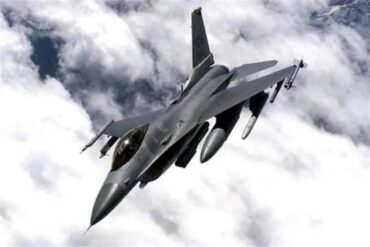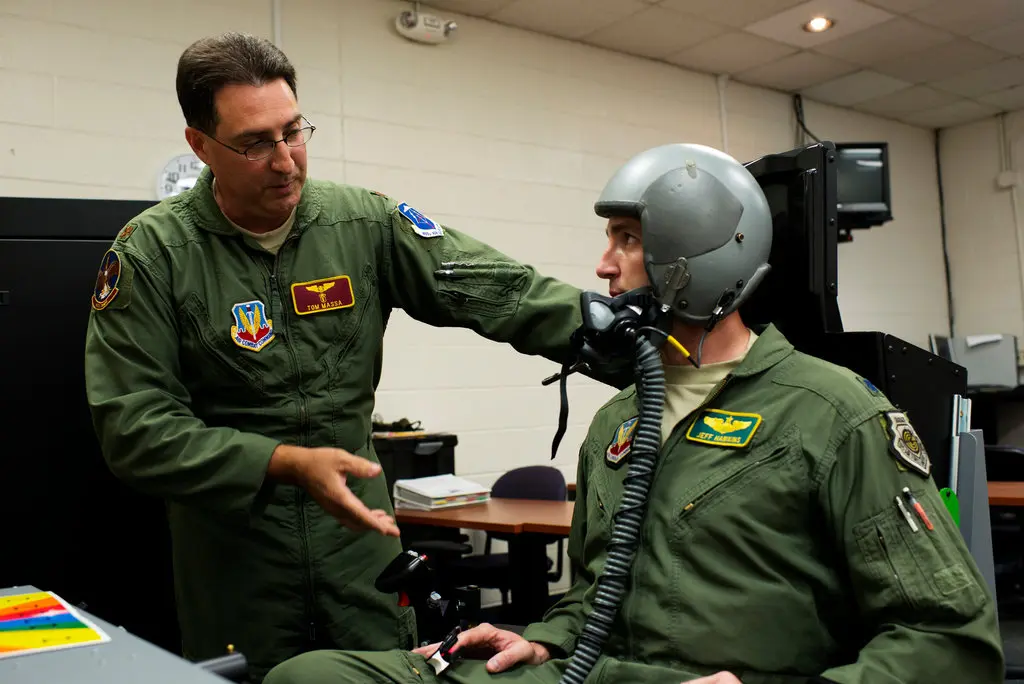
The F-22 Raptor has long been celebrated as a pinnacle of modern aerial warfare technology, yet its operational history includes a series of oxygen system issues that have prompted extensive investigation and corrective action. In this article, we explore the multifaceted challenges associated with oxygen delivery in this advanced stealth fighter jet, examining the historical context, identification of critical hardware malfunctions, resolution processes, and current operational status. We present a detailed overview supported by research, official reports, and expert analysis, providing an in-depth look at how these issues were addressed and the implications for future aircraft safety.
In the late 2000s and early 2010s, a series of hypoxia-like incidents raised serious concerns about the F-22’s oxygen supply system. Pilots reported experiencing symptoms ranging from disorientation and nausea to memory lapses and even loss of consciousness. These incidents, which included at least one fatal crash, underscored the need for a thorough review and overhaul of the fighter’s life support systems. The investigation eventually revealed that hardware malfunctions—most notably a defective BRAG valve and fluctuations within the Onboard Oxygen Generation System (OBOGS)—were at the heart of these critical issues.
Historical Context and Initial Incident Reports
The F-22 Raptor was introduced as a game-changing asset in the U.S. Air Force’s arsenal, designed to achieve air superiority with its stealth capabilities and advanced avionics. However, between 2008 and 2011, a troubling pattern emerged: multiple reports of oxygen deprivation among pilots, often manifesting as hypoxia-like symptoms. Detailed investigations revealed that these symptoms were not due to air contamination but rather stemmed from an insufficient oxygen supply during high-altitude operations and high-G maneuvers.
Historical documentation indicates that the early years of the F-22’s service were marred by these incidents, leading to severe operational consequences, including the grounding of the fleet for nearly five months in 2011. Congressional inquiries and media reports from the period provided a stark portrayal of the risks associated with these malfunctions, with incident rates reported to be significantly higher than those of other high-performance fighter aircraft. The gravity of these issues not only raised questions about pilot safety but also about the overall reliability of the aircraft’s critical life support systems.
Identification of Hardware Malfunctions and Critical Components
Detailed analysis and investigation led to the identification of specific hardware issues that contributed to the oxygen system problems. Two primary components emerged as the focal points of these investigations:
The BRAG Valve
A key component of the pilot’s life support gear, the BRAG valve was responsible for regulating the pressure within the pilot’s vest. Investigations revealed that a defective BRAG valve could inflate improperly during high-G maneuvers, thereby restricting oxygen flow at crucial moments.
The Onboard Oxygen Generation System (OBOGS)
Designed to extract oxygen from engine bleed air, the OBOGS was found to have fluctuations in its delivery rate. These fluctuations resulted in inconsistent oxygen concentrations, particularly at high altitudes, thereby exacerbating the risk of hypoxia-like symptoms among pilots.
Data from investigative reports and congressional testimony emphasized that the malfunctioning of these systems was not a matter of contaminated oxygen but rather one of quantity and delivery consistency. Such findings pointed to a need for comprehensive hardware revisions and systematic monitoring to ensure reliability and safety during flight operations.
Engineering Interventions and Corrective Measures
Recognizing the critical nature of the problem, the U.S. Air Force and its contractors embarked on a multi-year initiative to overhaul the oxygen delivery systems. Significant steps were taken to address the hardware faults:
Redesign and Modification
Engineers at Lockheed Martin, in conjunction with Air Force experts, redesigned the upper pressure garment and modified the BRAG valve to better manage pressure fluctuations during high-intensity maneuvers.
Implementation of Backup Systems
To ensure redundancy, a backup oxygen system was integrated into the aircraft’s design. This solution provided an additional layer of safety, ensuring that any temporary failure in the primary oxygen system would not result in critical oxygen deprivation.
Rigorous Testing Protocols
Extensive ground and flight testing were conducted to validate the improvements. The revised components underwent simulations replicating high-altitude, high-G scenarios, confirming that the modifications provided a stable oxygen supply even under extreme conditions.
By 2020, these comprehensive corrective measures had been largely implemented across the F-22 fleet, leading to a notable reduction in the frequency and severity of hypoxia-related incidents. The systematic approach not only addressed the immediate hardware concerns but also set a precedent for future upgrades in advanced fighter systems.
Current Operational Status and Ongoing Monitoring
Recent assessments and operational reports suggest that the most significant oxygen system issues have been resolved. As of 2025, there have been no major reports of hypoxia incidents directly linked to the F-22’s oxygen system. The U.S. Air Force has confirmed that the modifications made to the BRAG valve and the integration of the backup oxygen system have effectively mitigated the risks that once jeopardized pilot safety. However, there remains an acknowledgment of minor residual symptoms, notably the phenomenon known as “Raptor cough”.
Understanding “Raptor Cough”
Despite the resolution of the critical oxygen supply issues, some pilots continue to experience what has come to be known as “Raptor cough”. This condition is characterized by a chronic cough that is believed to be linked to the high gravitational forces and the subtle effects of OBOGS fluctuations experienced during high-performance maneuvers. Although not as severe as the hypoxia-like incidents of the past, Raptor cough remains a subject of study. It is considered more of an operational nuisance than a critical threat to pilot health, yet it underscores the need for ongoing vigilance in monitoring the long-term physiological impacts of advanced fighter operations.
The Role of Proactive Oversight and Continuous Improvement
The resolution of the F-22 oxygen system issues highlights the importance of proactive oversight and continuous improvement in military aviation. Lessons learned from the early years of the F-22’s service have led to a more robust approach in addressing pilot safety concerns. Several key strategies have emerged from this experience:
- Enhanced Communication Channels: Establishing clear lines of communication between pilots, engineers, and maintenance crews has been crucial. Pilot feedback is now systematically integrated into the design and testing phases of life support systems.
- Rigorous Maintenance Schedules: Regular and thorough inspections of oxygen delivery systems are mandated to detect and rectify potential issues before they escalate. This includes both scheduled maintenance and unscheduled checks following high-intensity missions.
- Investment in Research and Development: Continued investment in R&D has enabled the integration of advanced monitoring systems that can detect anomalies in oxygen flow in real-time. These systems not only alert pilots and maintenance crews to potential issues but also contribute to the development of even more reliable hardware in the future.
Such measures not only ensure the safety of the F-22 fleet but also serve as a benchmark for other high-performance fighter programs globally. The emphasis on safety and continuous improvement reflects a broader commitment to leveraging technology and expertise to overcome even the most challenging operational hurdles.
Implications for Future Military Aviation
The experiences with the F-22 oxygen system offer valuable insights for the broader field of military aviation. As aircraft become more technologically sophisticated, the complexity of their systems invariably increases. This case study serves as a reminder of the importance of integrating robust fail-safe mechanisms and redundancy in every critical system. Lessons learned from the F-22’s challenges are already influencing the design principles of next-generation fighter jets, where reliability and safety must go hand in hand with advanced performance capabilities.
Furthermore, the resolution of these issues has enhanced trust in the operational readiness of the F-22, thereby reinforcing its role as a cornerstone of U.S. air superiority. The emphasis on continuous monitoring and periodic upgrades ensures that even as new challenges emerge, the safety systems in place are capable of adapting to meet the demands of modern aerial combat.
Technical Deep Dive: How the Oxygen System Works
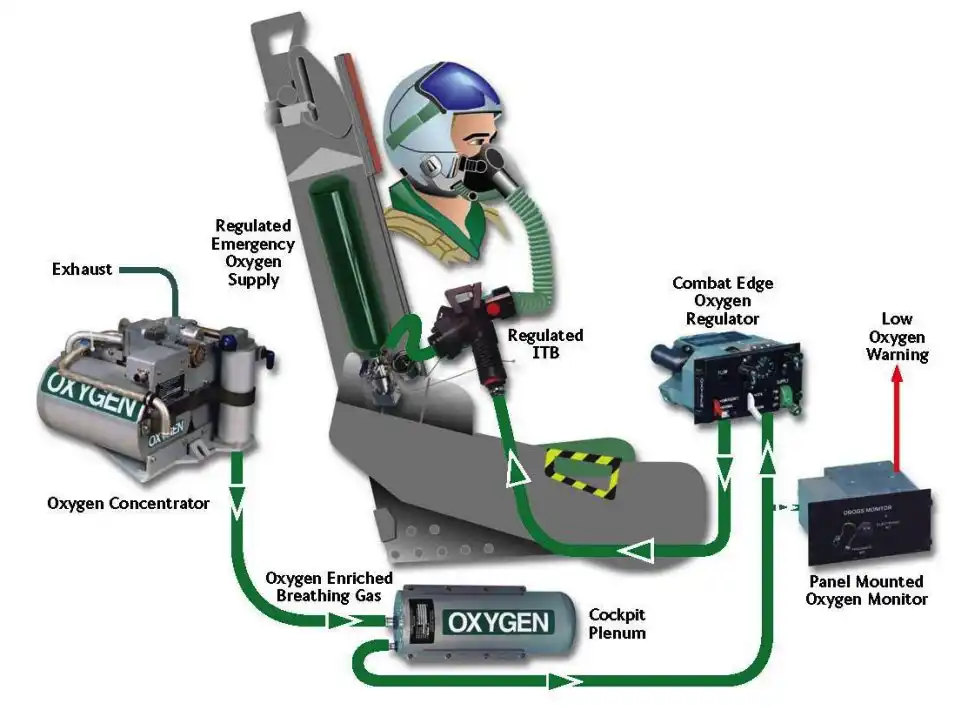
To fully appreciate the significance of the improvements made, it is important to understand the technical underpinnings of the F-22 oxygen system. At the heart of the system is the Onboard Oxygen Generation System (OBOGS), which functions by extracting oxygen from the engine’s bleed air. This process, while innovative, presents unique challenges. The delicate balance between generating sufficient oxygen and maintaining the correct pressure levels is critical, especially during rapid altitude changes.
The system’s design involves several interdependent components, including the BRAG valve and the pressure vest. In high-G conditions, these components must work in unison to ensure that the pilot receives a continuous, reliable supply of oxygen. Any deviation from the norm, such as a fluctuation in oxygen concentration or an improper pressure adjustment, can lead to symptoms of hypoxia. The recent modifications have been engineered to maintain this balance more effectively, ensuring that even under extreme conditions, the integrity of the oxygen delivery remains uncompromised.
Safety Protocols and Pilot Training Enhancements
In parallel with hardware improvements, the U.S. Air Force has also revised its safety protocols and pilot training programs. These initiatives aim to prepare pilots for the unique physiological challenges posed by high-performance fighter operations. Enhanced simulator training now includes scenarios that replicate the early hypoxia incidents, allowing pilots to better recognize and manage symptoms should they occur. Furthermore, routine debriefings and medical check-ups have become integral components of flight operations, ensuring that any early signs of oxygen deprivation are promptly addressed.
The training enhancements extend to maintenance crews as well, who now receive specialized instruction on the nuances of the F-22’s oxygen system. This dual approach—focusing on both human factors and technical precision—has significantly bolstered the overall safety framework within which the F-22 operates.
Impact on Mission Readiness and Combat Performance
The resolution of the oxygen system issues has had a profound impact on the overall mission readiness and combat performance of the F-22 Raptor. With the elimination of frequent hypoxia incidents, pilots can now operate with greater confidence during extended missions, knowing that the integrity of their life support system has been rigorously safeguarded. This enhancement in operational reliability is critical in maintaining the strategic edge that the F-22 provides in modern aerial combat.
Furthermore, the successful integration of backup systems and improved safety measures has contributed to a notable increase in the aircraft’s deployment rates. Field reports indicate that missions are now executed with a reduced risk of mid-flight complications related to oxygen deprivation, thereby enhancing the aircraft’s overall operational lifespan and effectiveness in combat scenarios.
Ongoing Research and Future Prospects
While current data confirms that the major oxygen system problems have been resolved, ongoing research continues to monitor the long-term health effects of high-G exposure on pilots. Studies are underway to further refine oxygen delivery mechanisms and to explore new materials and technologies that could enhance the resilience of life support systems. The phenomenon of “Raptor cough” remains an area of active investigation, with efforts focused on understanding its causes and developing targeted countermeasures.
The commitment to continuous improvement ensures that as new challenges arise, the U.S. Air Force will be well-prepared to address them promptly. Future iterations of the F-22 and next-generation fighter jets are likely to incorporate lessons learned from these experiences, ensuring that safety and performance remain paramount.
A Collaborative Approach to Technological Innovation
The journey to resolve the F-22 oxygen system issues has been a collaborative effort, uniting experts from various disciplines. Defense contractors, aviation engineers, medical professionals, and the pilots themselves have contributed their expertise to forge a solution that stands as a testament to modern technological innovation. This collaborative model is not only pivotal for overcoming current challenges but also serves as a framework for addressing future obstacles in military aviation.
The integration of advanced diagnostics and real-time monitoring systems marks a significant milestone in the evolution of fighter jet safety protocols. By embracing a culture of transparency and continuous feedback, the U.S. Air Force has set a standard that benefits both current operations and future technological advancements.
Conclusion
In conclusion, the F-22 oxygen problems represent a critical chapter in the history of modern military aviation. The challenges encountered between 2008 and 2011, driven by hardware malfunctions in the BRAG valve and fluctuations in the OBOGS, underscored the complexities of maintaining reliable oxygen supply in high-performance aircraft. Through rigorous investigation, engineering innovation, and proactive oversight, the U.S. Air Force successfully implemented corrective measures that have significantly mitigated these risks. While minor issues such as “Raptor cough” persist, the overall safety and operational readiness of the F-22 have been restored, ensuring that this iconic aircraft continues to serve as a cornerstone of air superiority.
The lessons learned from the F-22 oxygen system issues have not only enhanced pilot safety but have also set a precedent for future advancements in fighter technology. As research and development continue, we remain committed to upholding the highest standards of safety, performance, and reliability in military aviation.
Frequently Asked Questions
What were the primary causes of the F-22 oxygen system issues?
Investigations revealed that the major causes were hardware malfunctions in the BRAG valve and fluctuations in the Onboard Oxygen Generation System (OBOGS). These issues led to inconsistent oxygen delivery during high-altitude and high-G maneuvers, resulting in hypoxia-like symptoms among pilots.
How has the U.S. Air Force addressed these oxygen system problems?
The U.S. Air Force implemented a series of corrective measures including redesigning the upper pressure garment, modifying the BRAG valve, integrating a backup oxygen system, and enhancing pilot training. These interventions, completed by 2020, have largely resolved the major issues, ensuring improved pilot safety and aircraft reliability.
Is the F-22 still experiencing any oxygen-related problems?
As of 2025, there are no major oxygen system issues reported for the F-22. However, some pilots continue to experience minor symptoms such as “Raptor cough”, which is considered a less critical nuisance related to high-g exposure rather than a significant oxygen deprivation problem.
In summary, the comprehensive efforts to resolve the F-22 oxygen system issues have restored the aircraft’s operational integrity and set new benchmarks for fighter safety standards. Through continuous monitoring, technological upgrades, and collaborative innovation, the F-22 remains a symbol of advanced military aviation capable of meeting the rigorous demands of modern aerial combat.