Flying at 35,000 feet may feel routine to seasoned travelers, but the air at such heights is thin — dangerously thin. That’s where airline oxygen masks come into play, designed to protect passengers from the silent killer that is hypoxia. Yet what often surprises travelers is that these masks, which descend automatically during a cabin pressure emergency, only supply oxygen for around 12 to 20 minutes. At first glance, that seems alarmingly short. But as aviation experts assure us, this duration is not just sufficient — it’s exactly what’s needed.
Understanding the Role of Cabin Pressurization in Flight
At cruising altitude, the atmosphere outside the aircraft is too thin to support human life. To keep passengers safe, commercial airliners use pressurized cabins, essentially simulating an altitude of around 8,000 feet. The air is bled from the jet engines’ compressors, cooled, and then pumped into the cabin to maintain this breathable environment.
If this pressurization fails — due to structural failure or system malfunction — the consequences can be immediate and life-threatening. Oxygen levels plummet. Hypoxia can set in within seconds, especially above 30,000 feet, impairing the brain’s ability to function, leading to unconsciousness or death if not addressed quickly.
Why 15 Minutes of Oxygen is All You Need
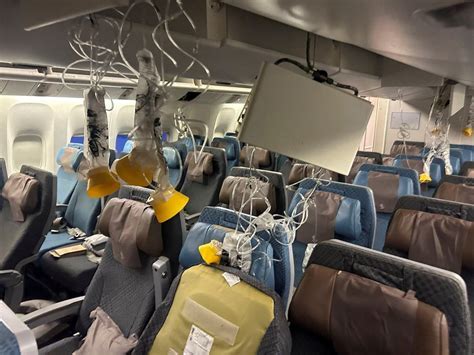
When a cabin depressurization occurs, the pilots initiate an emergency descent. Their goal: get the plane to a safe altitude — typically below 10,000 feet — as fast as possible. At this height, the atmosphere contains enough oxygen for passengers to breathe unaided. The descent from cruising altitude to 10,000 feet takes just 3 to 5 minutes in most modern aircraft.
Therefore, the supplemental oxygen supplied via the masks is only a stopgap measure — to bridge the time it takes for the aircraft to reach breathable altitudes. In most cases, the actual time passengers need the masks is less than ten minutes. The 15-minute supply provides a safe buffer.
How These Oxygen Systems Actually Work
The oxygen masks themselves are constant-flow systems. Once deployed and tugged to activate, they provide a steady stream of oxygen through tubing connected to an oxygen generation canister. These canisters don’t store gaseous oxygen in tanks (which would be bulky and pose explosion risks). Instead, they rely on chemical oxygen generators.
These devices contain a mixture of sodium chlorate, iron powder, and barium peroxide, which ignite through a controlled chemical reaction when the system is activated. The reaction produces pure oxygen, which is delivered directly to the mask wearer. This method allows aircraft to equip every passenger seat with a lightweight, compact, and reliable oxygen source.
Time of Useful Consciousness: The Real Danger Window
At higher altitudes, the air is so thin that your Time of Useful Consciousness (TUC) — the period during which you can function without supplemental oxygen — is incredibly short. For instance:
- At 35,000 feet: 30–60 seconds
- At 40,000 feet: 15–20 seconds
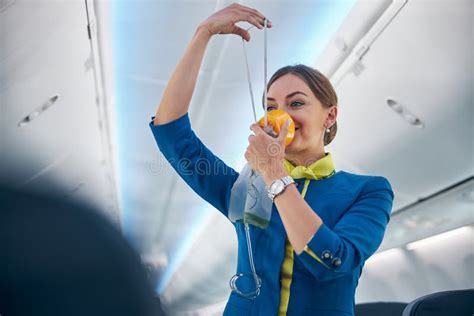
Within this window, a person must put on their oxygen mask. Cabin crew training emphasizes the “fit your own mask before helping others” rule for this exact reason. If you don’t act quickly, you might lose consciousness before you can help anyone else.
This is why quick deployment and automatic function are essential features of aircraft oxygen systems. They’re engineered for speed, simplicity, and redundancy — you don’t need to press buttons or adjust knobs. Just pull, place, and breathe.
From Crisis to Control: The Rapid Descent Protocol
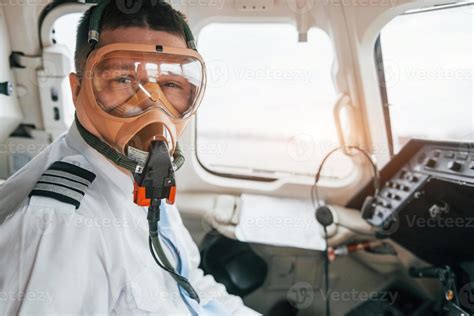
The moment cabin pressure drops, cockpit alarms alert the pilots. They don oxygen masks themselves and begin a rapid emergency descent. The goal is to reach 10,000 feet as quickly and safely as possible, where ambient pressure allows normal breathing. Pilots typically descend at rates between 4,000 to 6,000 feet per minute, though some descents can exceed this in dire situations.
A descent from 35,000 feet to 10,000 feet at a rate of 6,000 feet per minute takes just about 4 minutes. The 15-minute oxygen supply allows for contingencies, such as terrain restrictions, weather issues, or slower descent rates.
Pressurized Cabins: A Triumph of Engineering
The ability to pressurize an aircraft cabin is one of the most important safety advancements in aviation history. Without it, commercial air travel at high altitudes would be impossible. Yet it’s not a system without risks. Even minor damage — such as a blown-out window or fuselage breach — can lead to depressurization.
High-profile incidents such as the 1988 Aloha Airlines Flight 243 accident highlight how sudden and catastrophic these events can be. In that case, a large section of fuselage ripped away, causing an explosive decompression. Despite the chaos, the aircraft landed safely — thanks in part to well-drilled emergency protocols and functional oxygen systems.
What Happens If You Don’t Use the Mask in Time
Failing to don the mask in time leads to hypoxia. Symptoms include:
- Shortness of breath
- Mental confusion
- Cyanosis (bluish skin tint)
- Slowed reaction time
- Unconsciousness
If left untreated, these can rapidly escalate to permanent brain damage or death. That’s why airline safety demonstrations, often ignored by frequent fliers, emphasize mask usage — it’s not just a formality; it’s a matter of survival.
Why Passengers Shouldn’t Panic About the Short Duration
The idea of only having 15 minutes of oxygen might seem unsettling at first. But understanding the real context and operational procedures puts that number in perspective. It’s not about lasting from 35,000 feet to the runway — it’s about surviving the first few critical minutes until the aircraft reaches a safe altitude.
Moreover, oxygen is distributed individually, so you’re not sharing supply with your neighbors. And although the oxygen generators are single-use, they’re highly reliable and rigorously maintained. FAA regulations ensure that these systems are regularly inspected and replaced at specified intervals.
What About the Pilots’ Oxygen Supply?
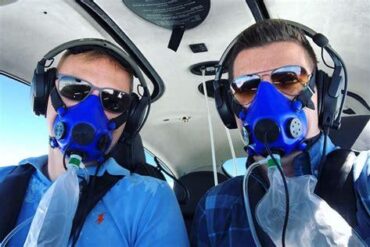
Pilots don’t rely on the same chemical oxygen generators as passengers. The flight deck is equipped with pressurized oxygen cylinders, delivering a continuous flow or demand-based oxygen supply. These are rated to last longer — enough to get the aircraft not just to a safe altitude, but to the nearest airport if necessary.
This distinction ensures that flight crews remain conscious and functional throughout any emergency, regardless of duration or descent speed.
The Bottom Line: Trust the System, Trust the Science
Aircraft cabin oxygen masks may look flimsy and feel basic, but they are the product of decades of aerospace engineering, survival science, and crisis protocol design. The 15-minute oxygen supply they offer is not an oversight — it’s a precise solution for a very specific problem: protecting passengers during rapid descent after cabin depressurization.
While emergencies at cruising altitude are rare, the systems in place are robust, reliable, and thoroughly tested. So next time you hear that preflight safety speech and glance up at the overhead panel, remember: those masks are engineered to keep you alive — exactly as long as necessary.