The Oxygen Requirements Above 12,500 Feet
In the United States, the Federal Aviation Administration (FAA) sets clear guidelines under FAR 91.211, which mandates supplemental oxygen usage for aircraft operating at altitudes above 12,500 feet mean sea level (MSL). The regulation is designed to ensure that pilots and passengers maintain sufficient oxygen levels during prolonged exposure to low atmospheric pressures. The rule states that:
- Supplemental oxygen must be used by crew members when flying above 12,500 feet MSL for more than 30 minutes.
- At altitudes above 14,000 feet MSL, the crew is required to use supplemental oxygen at all times.
- Above 15,000 feet MSL, oxygen must be provided to all passengers.
These regulations highlight the importance of understanding what type of oxygen system is necessary for different flight scenarios.
The Science Behind Oxygen Systems
The Need for Oxygen at High Altitudes
When flying at higher altitudes, the atmospheric pressure decreases, reducing the amount of oxygen available in the air. While the percentage of oxygen remains at around 21%, the partial pressure of oxygen decreases significantly as altitude increases. This drop in oxygen pressure means less oxygen is absorbed into the bloodstream, which can lead to hypoxia, especially above 12,500 feet. As the body struggles to get enough oxygen, the risk of cognitive impairment, dizziness, and even unconsciousness rises.
The Role of Oxygen Systems
The primary role of supplemental oxygen systems is to maintain an adequate level of oxygen in the pilot and passengers’ bloodstreams. These systems function by increasing the oxygen concentration in the air that is inhaled, allowing the lungs to absorb enough oxygen even when atmospheric pressure is insufficient. There are three main types of oxygen systems used in aviation: continuous-flow, diluter-demand, and pressure-demand.
Types of Oxygen Systems
Continuous-Flow Oxygen Systems
The continuous-flow oxygen system is the most common system found in light aircraft, especially those that operate below 25,000 feet. It works by providing a continuous stream of oxygen to the pilot or passenger through a mask or nasal cannula. This system is relatively simple and easy to use, but it can be wasteful as it provides a constant flow of oxygen regardless of the user’s breathing rate.
There are three main variations of continuous-flow oxygen systems:
- Basic Continuous-Flow Systems: These systems provide a standard rate of oxygen flow and are designed for use up to 25,000 feet. However, at lower altitudes, they tend to deliver more oxygen than needed, which reduces the system’s endurance and efficiency.
- Altitude-Adjustable Continuous-Flow Systems: These systems allow the pilot to adjust the oxygen flow rate depending on the altitude. The system can be manually adjusted to match the current altitude, reducing oxygen waste and extending the system’s effectiveness.
- Altitude-Compensating Continuous-Flow Systems: These systems automatically adjust the oxygen flow rate based on the altitude, ensuring optimal oxygen delivery without manual intervention.
Masks for Continuous-Flow Systems
The two most common masks used in continuous-flow systems are the nasal cannula and the rebreather mask. The nasal cannula is a lightweight option that is effective for altitudes up to 18,000 feet. However, it is less effective at higher altitudes, especially if the pilot or passenger breathes through their mouth. The rebreather mask, on the other hand, is more effective at higher altitudes and can be used up to 25,000 feet.
Diluter-Demand Oxygen Systems
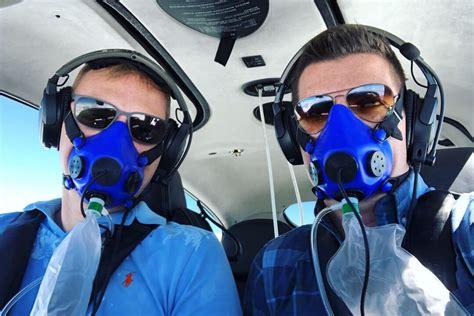
Above 25,000 feet, the continuous-flow oxygen system becomes less effective. To meet the oxygen needs at these altitudes, a diluter-demand oxygen system is required. This system only delivers oxygen when the user inhales, ensuring that oxygen is only provided when needed, and mixing ambient air with oxygen to maintain a safe blood oxygen level.
Diluter-demand systems are particularly effective for aircraft flying between 25,000 and 40,000 feet. These systems are more efficient than continuous-flow systems, as they minimize oxygen wastage by providing oxygen on demand rather than continuously.
Pressure-Demand Oxygen Systems
At altitudes above 40,000 feet, even a diluter-demand system will not provide sufficient oxygen. To address this, pressure-demand oxygen systems are used. These systems deliver oxygen under pressure, which helps to overcome the effects of reduced atmospheric pressure at high altitudes. The pressurized oxygen forces oxygen into the lungs, ensuring that a safe partial pressure of oxygen is maintained even at extreme altitudes.
Pressure-demand systems are used in high-performance aircraft, such as military jets or high-altitude commercial flights. The masks for pressure-demand systems are designed to fit tightly around the face to prevent leakage and ensure that the oxygen provided is 100% pure.
Oxygen System Regulations and Considerations
FAR 91.211 Compliance
As mentioned earlier, the FAA requires that pilots and passengers use supplemental oxygen above 12,500 feet, with additional requirements for higher altitudes. However, these rules apply specifically to unpressurized aircraft. In pressurized aircraft, the cabin altitude may be lower than the actual flight altitude, meaning that the need for supplemental oxygen may not be as pressing.
For pressurized aircraft operating above 25,000 feet, pilots must carry a diluter-demand mask, although it may not be necessary to wear it continuously. Instead, the mask should be available for quick donning in case of depressurization. Quick-don masks are designed for rapid deployment and ensure that the pilot can secure the mask quickly in an emergency.
Hypoxia Awareness
Hypoxia is a serious risk when flying at high altitudes without sufficient oxygen. Recognizing the early signs of hypoxia—such as dizziness, confusion, shortness of breath, and impaired judgment—can be life-saving. Pilots should always be aware of their altitude and oxygen levels and ensure that their oxygen systems are functioning properly. In the event of equipment malfunction or failure, having a backup oxygen supply is essential for survival.
Conclusion
Flying at altitudes above 12,500 feet requires careful attention to oxygen systems to ensure that both the pilot and passengers remain safe. Understanding the different types of oxygen systems available—continuous-flow, diluter-demand, and pressure-demand—is critical for choosing the right system based on the flight altitude and aircraft capabilities. By following FAA regulations, maintaining awareness of hypoxia symptoms, and ensuring that the appropriate oxygen system is in place, pilots can significantly reduce the risks associated with high-altitude flight.
In summary, oxygen systems are a vital aspect of aviation safety, and understanding their proper usage and functionality is essential for every pilot operating at altitudes above 12,500 feet.