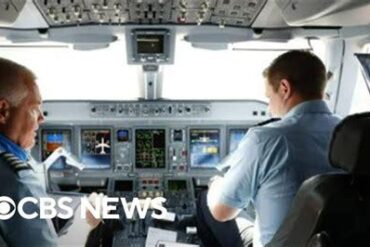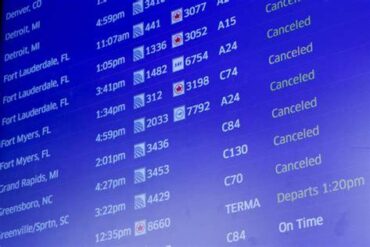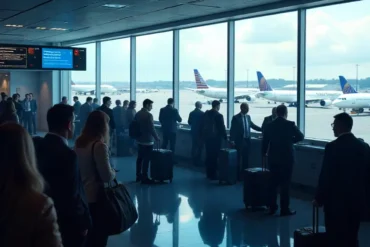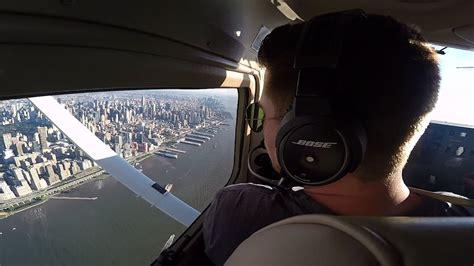
The global aviation industry is flying into turbulence—not because of mechanical failures or passenger demand, but due to a worsening pilot shortage that continues to cripple airline operations well into 2025. Flight cancellations, expansion delays, and staffing bottlenecks have all become alarmingly common, with airlines across continents scrambling to find enough qualified pilots to meet soaring demand. While the media often simplifies the problem as one of retirements or pandemic recovery, the reality is far more nuanced. The shortage stems from a complex mix of demographic trends, financial barriers, training inefficiencies, and mismatched hiring timelines.
The Multi-Year Journey to the Cockpit: Why Training Takes Too Long
Becoming a commercial airline pilot is a long and costly commitment. It’s not just a matter of passing exams—candidates must accrue thousands of hours of flight time, gain several certifications, and build enough experience to meet stringent airline safety and skill standards.
A typical training pathway begins with a Private Pilot License (PPL), followed by an Instrument Rating (IR), then a Commercial Pilot License (CPL), multi-engine ratings, and often a Certified Flight Instructor (CFI) credential to build hours. In the U.S., candidates must log 1,500 flight hours to even be eligible for an Airline Transport Pilot (ATP) license.
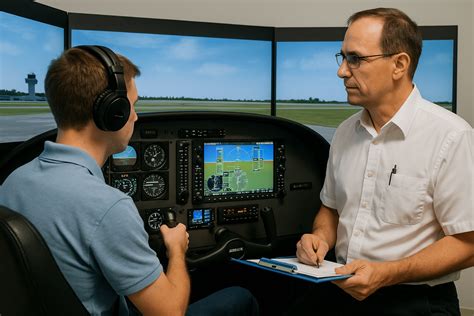
However, the training pipeline is clogged at every stage. Flight schools are experiencing instructor shortages, aircraft availability issues, and administrative delays. Ironically, instructors often leave as soon as they accumulate enough hours to apply for airline jobs—creating a self-defeating cycle. Even after meeting the hour requirement, pilots must complete rigorous simulator training, line checks, and multi-crew coordination sessions before they’re considered airline-ready.
The bottleneck is systemic. Even if thousands of students enroll in flight schools today, it will take years before they can staff a major airline’s cockpit. This lag between enrollment and readiness is one of the key reasons the supply of pilots continues to lag behind demand.
The Retirement Wave Airlines Failed to Prepare For
While pilot retirements are often cited as a reason for the shortage, their impact is more profound than headlines suggest. The commercial aviation sector operates under strict age regulations, with most pilots required to retire by age 65. Many of today’s senior captains entered the workforce during a hiring boom in the 1980s and 90s—now, they’re exiting en masse.
During the COVID-19 downturn, airlines hastened this trend by offering early retirement packages. It seemed pragmatic at the time—but the cost is now clear. The industry lost decades of experience, and replacing those senior pilots is no easy feat.
Every retirement triggers a cascade: a captain leaves, a first officer gets promoted, and a gap opens at the entry level. This domino effect means that replacing one senior pilot often requires two or three new hires to fill all resulting vacancies.
Regional airlines are hit hardest. Their business model relies on junior pilots gaining experience before transitioning to major carriers. When legacy airlines recruit aggressively, regionals hemorrhage talent and often cancel flights or ground aircraft due to insufficient crew.

The situation is compounded by regulatory barriers. Discussions about raising the retirement age to 67 were rejected by the International Civil Aviation Organization (ICAO), which means thousands of senior pilots will continue retiring annually through the end of the decade.
The Hidden Cost Barrier That Keeps Young Pilots Grounded
While passion for flying is abundant, financing a pilot career is not. In many countries, the cost of becoming a commercial pilot exceeds $100,000, making it one of the most expensive career paths.
This massive upfront investment creates a high barrier to entry. Students are often required to pay out-of-pocket or take on substantial debt—with no job guarantee at the end. Even after becoming licensed, entry-level positions often pay modest wages, especially at regional or charter operators. It can take years before new pilots reach financially sustainable salaries.
Reddit threads, pilot forums, and flight school reports all echo the same sentiment: the issue isn’t a lack of interest—it’s affordability. Aspiring aviators from low-income backgrounds are disproportionately affected, resulting in a lack of diversity and a shrinking talent pool.
Without robust scholarship programs, government-backed loans, or airline-sponsored training, this economic bottleneck will continue to exclude qualified candidates and stunt pilot supply.
Pandemic Whiplash: A Sudden Surge Airlines Weren’t Ready For
In 2020, the pandemic grounded global fleets, halted hiring, and led thousands of pilots to exit the workforce—some permanently. When the recovery came, it came fast. Travel demand rebounded sharply by 2022, and airlines found themselves critically understaffed.
Not all pilots returned. Some retired early, others shifted to cargo or private aviation, while many changed industries entirely. Airlines attempting to scale up operations quickly found themselves short of flight crews—especially for international and long-haul routes.
This mismatch between demand and pilot availability is at the heart of current disruptions. Major carriers, eager to capitalize on restored travel patterns, are stuck in a multi-year hiring lag. Unlike ground staff or cabin crew, pilots cannot be onboarded in a few weeks. The post-pandemic spike exposed just how brittle the staffing pipeline had become.
Airlines now face the harsh lesson that rapid downsizing has long-term consequences. They must rebuild their pilot corps carefully—without falling back into the boom-and-bust cycle of mass hiring and mass layoffs.
Not All Pilots Are Equal: Why Airlines Need Captains, Not Just First Officers
There’s a widespread belief that the pilot shortage is only at the entry level. In reality, the more acute crisis is a shortage of experienced captains—the ones who command flights, make final decisions, and guide crews through emergencies.
A pilot cannot be promoted to captain just by seniority. They must accumulate thousands of hours (often 4,000 to 8,000), demonstrate leadership under pressure, and pass advanced proficiency tests. This level of competence takes years to develop, and training programs can’t expedite it.
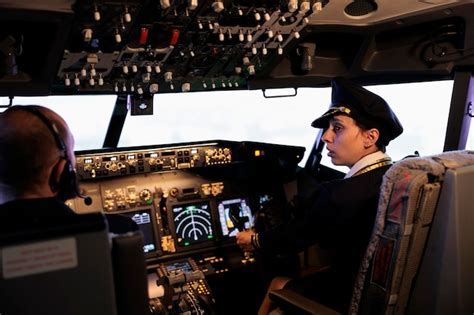
Airlines have tried offering bonuses and accelerated pathways to encourage upgrades, but these incentives hit regulatory walls. A candidate who doesn’t meet legal experience thresholds cannot be put in command—regardless of market demand.
This imbalance between first officers and captains is a critical blind spot. An airline might hire dozens of new pilots, only to realize that only a handful are close to being eligible for upgrade. This creates command bottlenecks that limit operational flexibility, reduce flight pairings, and stress scheduling systems.
The Global Effort to Build Sustainable Pilot Pipelines
Despite the challenges, some airlines and countries are responding proactively. Flight academies and airlines are forming strategic partnerships to create streamlined career paths. These programs offer financing support, guaranteed interviews, and mentorship structures that reduce risk for students.
European carriers like Wizz Air have introduced sponsorship schemes that subsidize training for young pilots, while U.S. airlines are investing in their own aviation academies to nurture talent from early stages.
Technological innovation may also play a supporting role. Advances in simulator training, digital instruction, and flight logging can make the training process more efficient, though they cannot bypass the fundamental requirement for real-world flight experience.
However, these improvements will take years to yield results. In the meantime, airlines must continue to operate under pressure, managing high turnover rates and intensifying demand with limited qualified personnel.
Will the Shortage End? Not Anytime Soon
Most analysts agree that the shortage will persist through at least 2028, though the intensity may vary by region. Countries with robust training infrastructure and airline-backed funding will fare better. Smaller carriers and regional operators will continue to struggle, especially in talent-competitive markets like North America, the Middle East, and Southeast Asia.
Three factors will shape the future:
- Regulatory reform: Potential adjustments to retirement age or training requirements could alleviate strain, but are controversial.
- Economic stability: A strong global economy supports airline hiring. Recessions tend to pause training and freeze recruitment.
- Technology adoption: While full automation of cockpits is decades away, partial automation could reduce staffing needs—but not eliminate the need for highly trained human pilots.
Ultimately, solving the pilot shortage is not about one change. It requires systemic realignment across training, regulation, workforce planning, and financial accessibility.

Conclusion: A Crisis Years in the Making, Years from Resolution
The pilot shortage is not an overnight crisis—it’s a predictable result of long-term underinvestment, aging demographics, and inflexible training structures. While airlines seek short-term relief through bonuses and recruitment campaigns, the only true solution lies in rebuilding the ecosystem from the ground up.
Until the industry addresses the root causes—cost, access, training delays, and career sustainability—this crisis will remain. In the skies of 2025, the biggest challenge is not passenger demand or aircraft supply, but finding enough qualified professionals to safely fly the planes.