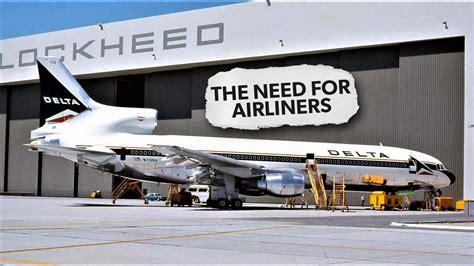
The story of Lockheed Martin’s withdrawal from commercial aircraft manufacturing is not a simple tale of corporate retreat—it is a layered narrative of ambition, technological brilliance, financial peril, and ultimately, strategic survival. Once a titan of civilian aviation, Lockheed helped define the golden age of air travel, only to step away from it entirely by the mid-1980s. Understanding why requires peeling back decades of innovation, miscalculation, and shifting industry dynamics.
Lockheed’s Golden Age: When Innovation Ruled the Skies
Lockheed’s early dominance in commercial aviation was no accident. From its beginnings in the early 20th century, the company demonstrated a remarkable ability to merge engineering ingenuity with market foresight. Aircraft like the Lockheed Vega were not just machines; they were symbols of human possibility. Amelia Earhart’s transatlantic flight and Wiley Post’s solo circumnavigation turned the Vega into a legend, embedding Lockheed deeply into aviation history.
By the 1930s, Lockheed had refined its approach with the Model 10 Electra, introducing an all-metal design that set new standards for reliability and efficiency. Airlines quickly adopted it, recognizing its potential to reshape regional air travel.
The post-war era marked Lockheed’s peak with the introduction of the L-049 Constellation, a revolutionary aircraft that combined speed, range, and luxury. With its pressurized cabin and elegant triple-tail design, the Constellation transformed long-haul travel into a premium experience. Passengers could now cross the Atlantic in unprecedented comfort, and airlines eagerly embraced the aircraft.
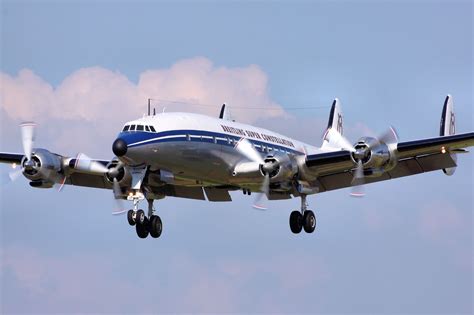
This era cemented Lockheed’s reputation as a pioneer of commercial aviation, placing it alongside Boeing and Douglas as one of the industry’s most influential players. But the seeds of future challenges were already being sown as the industry prepared to enter the jet age.
The Jet Age Gamble: Enter the L-1011 TriStar
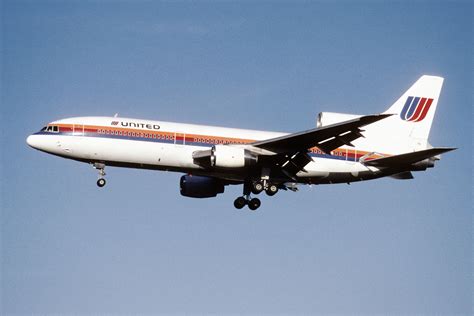
The 1960s brought a seismic shift in aviation. Airlines demanded larger, faster, and more efficient aircraft to meet booming passenger demand. Lockheed responded with the L-1011 TriStar, a widebody trijet designed to compete directly with the McDonnell Douglas DC-10.
The TriStar was, by nearly every technical measure, a masterpiece. It introduced advanced avionics, auto-land capability, and superior passenger comfort, making it one of the most sophisticated aircraft of its time. Lockheed aimed to outclass competitors not just in performance, but in experience.
Yet, brilliance came at a cost. Lockheed made a critical strategic decision: to rely exclusively on the Rolls-Royce RB211 engine. This engine promised groundbreaking efficiency but was still under development—and fraught with risk.
When Rolls-Royce encountered severe technical and financial difficulties, the consequences rippled directly into the TriStar program. Engine delays forced Lockheed to postpone deliveries by over a year, giving the DC-10 a crucial head start in capturing airline orders.
In aviation, timing is everything—and Lockheed had just lost its advantage.
Financial Freefall: When Innovation Became a Liability
The TriStar program quickly spiraled into a financial crisis. Development costs soared past $1 billion, an astronomical figure at the time. Each delay compounded expenses, while redesigns added further strain.
By 1971, Lockheed stood on the brink of collapse. With $1.4 billion in debt and tens of thousands of jobs at stake, the situation became a national concern. The U.S. government intervened through the Emergency Loan Guarantee Act, providing a $250 million lifeline.
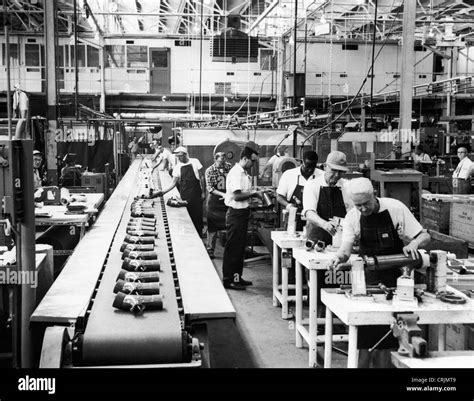
Although Lockheed eventually repaid the loan, the damage was done. Investor confidence weakened, and the company’s reputation suffered a blow that extended beyond finances. The situation worsened when bribery scandals emerged in the mid-1970s, revealing millions of dollars in illicit payments tied to aircraft deals.
These events created a perfect storm: financial instability, reputational damage, and operational distraction—all while competing in one of the most capital-intensive industries in the world.
The DC-10 Rivalry: A Battle Lockheed Couldn’t Win
While Lockheed struggled, McDonnell Douglas executed a more pragmatic strategy with the DC-10. It may not have matched the TriStar’s technological sophistication, but it had two decisive advantages: lower cost and earlier market entry.
Airlines, driven by economics rather than engineering elegance, gravitated toward the DC-10. Its flexibility in engine options—offering General Electric and Pratt & Whitney alternatives—reduced risk and appealed to a broader customer base.
Lockheed, in contrast, remained locked into its Rolls-Royce partnership. What once seemed like a bold innovation strategy became a constraint that limited sales and adaptability.
The numbers told a stark story. The DC-10 ultimately outsold the TriStar by a significant margin, achieving 446 deliveries compared to Lockheed’s 250. Even more critical, Douglas reached profitability faster due to lower development costs.
Lockheed needed approximately 500 aircraft sales to break even—a target that proved unreachable.
A Market Shift: The Rise of Twinjets and Economic Pressures
Just as Lockheed struggled to keep pace, the market itself began to change. The 1970s energy crises forced airlines to prioritize fuel efficiency over size and luxury. This shift paved the way for a new generation of aircraft: widebody twinjets.
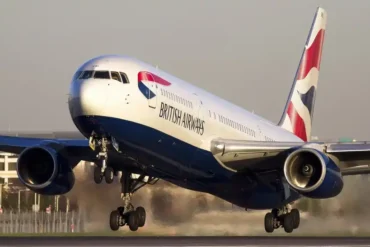
Aircraft like the Airbus A300 and later the Boeing 767 offered significantly lower operating costs, undermining the economic viability of trijets like the TriStar.
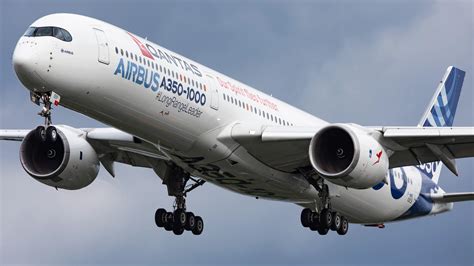
This technological evolution effectively rendered Lockheed’s flagship product less competitive almost overnight. The company found itself trapped between rising costs and declining demand, a position that left little room for recovery.
The Strategic Exit: Choosing Survival Over Sentiment
By the early 1980s, the writing was on the wall. Continuing in the commercial aircraft market would require massive new investments, with no guarantee of success. Development costs for next-generation aircraft were climbing into the billions, and the competitive landscape was becoming increasingly unforgiving.
In December 1981, Lockheed made a निर्णative decision: it would exit the commercial aviation market after completing the final TriStar deliveries in 1984.
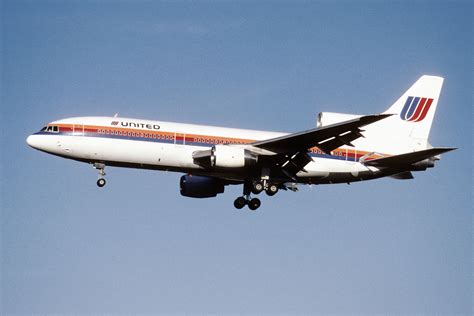
This was not merely a retreat—it was a strategic pivot. Lockheed recognized that its strengths aligned more closely with defense and government contracts, where profit margins were higher and financial risks more manageable.
Unlike commercial aviation, defense contracts often operated on cost-plus models, reducing exposure to overruns and market volatility. The timing also coincided with a surge in U.S. defense spending during the Reagan era, providing a stable and lucrative alternative.
Reinvention: From Commercial Pioneer to Defense Powerhouse
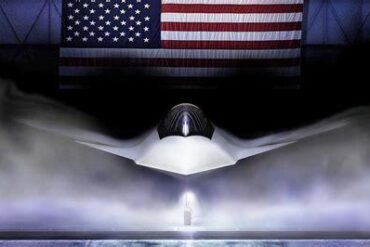
Lockheed’s transition proved not only effective but transformative. By focusing on military programs, the company became a leader in advanced defense technologies, producing iconic platforms such as the F-16 Fighting Falcon and the F-117 Nighthawk stealth fighter.
This shift allowed Lockheed to leverage its engineering expertise without the unpredictable economics of commercial aviation. Over time, it evolved into Lockheed Martin, a global defense giant with revenues exceeding tens of billions annually.
The contrast in business models is striking. Commercial aviation typically yields profit margins of 5–7%, while defense contracts can reach 10–15% or higher, with far less exposure to economic downturns.
In essence, Lockheed didn’t just leave commercial aviation—it graduated to a more stable and profitable arena.
Could Lockheed Ever Return to Commercial Aircraft?
The idea of Lockheed re-entering the commercial aircraft market occasionally surfaces, often fueled by nostalgia or speculation. However, the barriers today are even more formidable than those that prompted its exit decades ago.
The global market is effectively dominated by a Boeing-Airbus duopoly, with deeply entrenched supply chains, regulatory frameworks, and customer relationships. Developing a new commercial aircraft now requires $10–20 billion in investment, along with years of certification and testing.
Even for a company as capable as Lockheed Martin, the risks would be immense. The economics simply do not align with its current business model, which thrives on predictability and long-term government partnerships.
Instead, Lockheed continues to innovate in adjacent areas, including space systems, advanced defense platforms, and next-generation technologies, leaving commercial aviation as a chapter firmly in its past.
Legacy in the Sky: What Remains of Lockheed’s Commercial Era
Though Lockheed no longer builds passenger aircraft, its legacy endures. The TriStar, despite its commercial struggles, remains admired for its engineering excellence and reliability. Many were later converted into cargo aircraft or specialized platforms, extending their operational lives.
More importantly, Lockheed’s earlier creations—the Vega, Electra, and Constellation—continue to symbolize an era when aviation was as much about romance and exploration as it was about efficiency.
The company’s journey offers a powerful lesson: even the most innovative organizations must adapt when market realities diverge from technological ambition. Lockheed’s exit was not a failure of vision, but a recognition that survival sometimes requires letting go of legacy pursuits.
In the end, Lockheed didn’t simply stop producing commercial planes—it redefined its future, choosing stability over uncertainty and precision over prestige. And in doing so, it secured a place not just in aviation history, but in the ongoing story of global aerospace leadership.