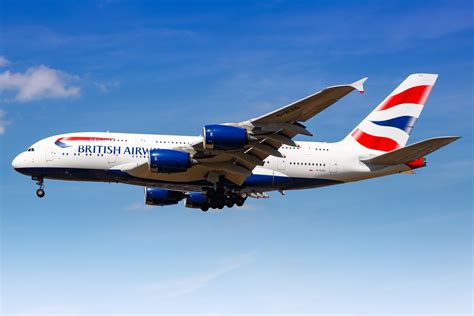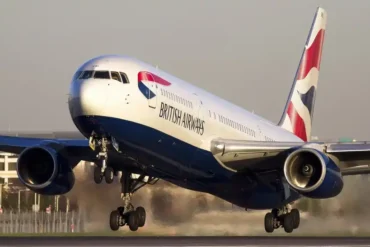
British Airways’ decision to exit San Jose, California (SJC) was not a hasty retreat, but a calculated move shaped by a complex web of economic, operational, and strategic challenges. This decision marked the end—at least temporarily—of a direct transatlantic bridge that once connected Silicon Valley with London’s Heathrow (LHR), the heart of global aviation.
The Origin: Tapping into Silicon Valley’s High-Yield Market
In 2016, British Airways launched direct flights between London Heathrow and San Jose International Airport, capitalizing on the dense concentration of tech industry executives, venture capitalists, and high-value business travelers in the South Bay. It was the only carrier offering nonstop service between the two economic powerhouses, delivering unparalleled convenience for transatlantic corporate travel.
This route was more than symbolic. It was a strategic step in diversifying British Airways’ U.S. footprint beyond the saturated San Francisco International Airport (SFO), providing a gateway specifically tailored to Silicon Valley.
The First Disruption: Pandemic-Induced Collapse
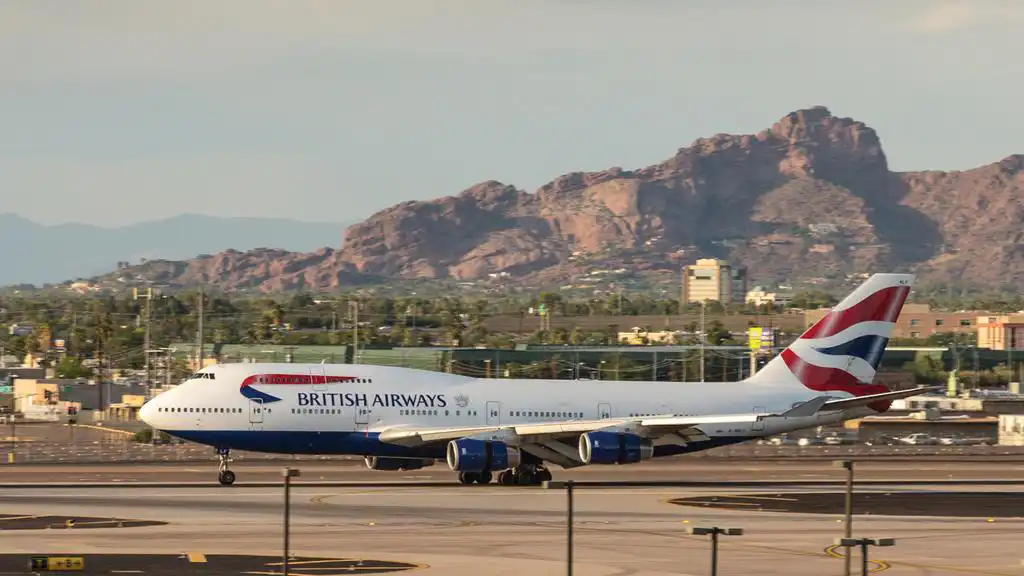
Despite its promising start, the service was abruptly suspended in 2020. The COVID-19 pandemic wreaked havoc across global aviation, and San Jose was not spared. British Airways, like many international carriers, halted numerous long-haul routes, and SJC–LHR was one of the casualties. The airline had been preparing to upgrade the route with Boeing 747-400s, signaling confidence in market demand, but those plans were dashed by travel restrictions, collapsing demand, and industry-wide restructuring.
The pandemic’s aftermath left San Jose reeling with economic turbulence. Unlike leisure-heavy hubs, SJC’s business-centric model suffered more profound losses as remote work dramatically reduced business travel volumes.
The Enthusiastic Return: 2022 Relaunch and High Hopes
After a hiatus of over two years, British Airways made a much-anticipated return to San Jose in June 2022. The resumption was met with optimism and ceremony. John Aitken, San Jose’s Director of Aviation, heralded the comeback as a key milestone in regional recovery and global connectivity.
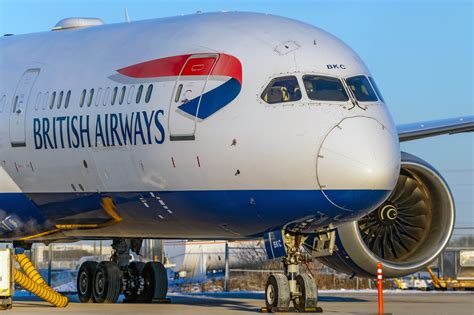
Flights resumed on a thrice-weekly basis, operating Mondays, Tuesdays, and Thursdays, using Boeing’s Dreamliner fleet—both the 787-8 and 787-9 models.
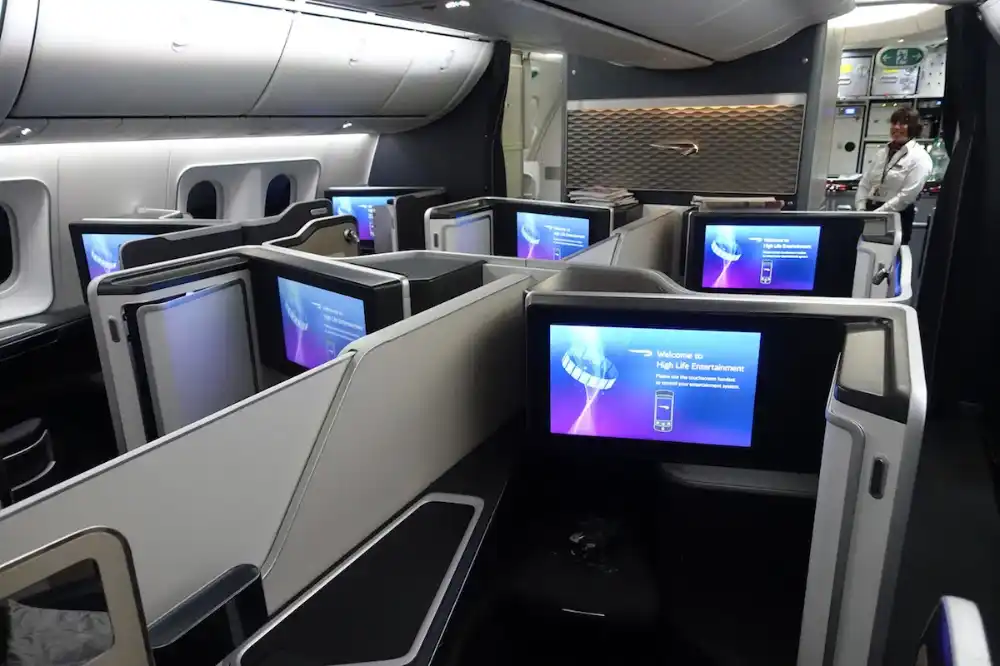
These aircraft were outfitted with advanced in-flight entertainment, lie-flat business class seating, and refined premium economy offerings:
- 787-8 Dreamliner: 204–218 seats in three classes
- 787-9 Dreamliner: 218 seats in four cabin classes, including eight First Class suites
This configuration catered not only to affluent business travelers but also to premium leisure segments seeking luxury transatlantic options.
A Brief Second Chapter: Underwhelming Performance and Gradual Drawdown
However, beneath the celebratory headlines, cracks began to show. The route never fully regained its pre-pandemic momentum. British Airways started scaling back frequency later in 2022, reducing operations from daily flights to 4–5 weekly. By October 2023, the route was quietly pulled—this time, indefinitely.
The reasons for this retreat were multi-dimensional:
1. Economic Viability Was Weak
The demand, particularly from high-yield business travelers, failed to recover at expected levels. SJC’s reliance on business-heavy traffic became its Achilles’ heel. With Silicon Valley embracing hybrid work and reducing non-essential travel, seat occupancy and revenue per flight failed to justify continuation.
2. Aircraft Delivery Delays and Fleet Shortages
British Airways faced supply chain headwinds that affected aircraft availability. Maintenance issues with Rolls-Royce engines on Dreamliners and delays in new deliveries constrained fleet utilization. As a result, the airline had to prioritize only the most profitable U.S. routes—unfortunately, San Jose didn’t make the cut.
3. Strategic Consolidation Across the U.S. Network
San Jose’s exit wasn’t an isolated case. British Airways has recently cut or suspended other U.S. routes, including:
- Dallas Fort Worth (DFW): Suspended March–October 2025
- Miami (MIA): Second daily flight dropped
- New York (LGW): Services cut from London Gatwick
In these instances, partner airline American Airlines helped by absorbing capacity, but no such buffer existed for SJC.
Economic Settlement: Ending with a Possibility of Return
Upon termination of the San Jose route, British Airways entered into a mutual agreement with airport authorities to exit its lease early, offering $607,500 in compensation. Yet, the deal was not a burning of bridges. On the contrary, it left the door ajar.
San Jose International Airport offered a $303,700 credit incentive if British Airways resumes flights within two years of cancellation—by October 2025. This move keeps the channel of dialogue open, giving the airline flexibility should market dynamics shift.
John Aitken described the settlement as “reasonable” and praised British Airways for its partnership, indicating a willingness to rekindle service if conditions allow. According to Deputy Director Scott Wintner, talks are ongoing with British Airways and other international partners to expand global access to and from San Jose.
Why San Jose Lost to San Francisco
San Jose International Airport, while modern and efficient, plays second fiddle to San Francisco International Airport (SFO) when it comes to global connectivity. SFO offers broader alliance connectivity, higher frequency, and deeper feeder traffic, giving airlines network economies of scale.
British Airways already maintains a high-capacity presence at SFO, supported by the strength of its oneworld alliance and American Airlines’ U.S. network. Concentrating resources there makes operational and commercial sense, especially amid fleet shortages.
In contrast, San Jose’s limited international footprint and weaker onward connectivity hurt long-haul viability. Despite proximity to tech giants like Apple, Cisco, and Google, the travel volume wasn’t enough to sustain year-round transatlantic flights.
Looking Ahead: Could British Airways Return?
While British Airways has no immediate plans to relaunch San Jose service, the situation remains fluid. If business travel rebounds and fleet capacity stabilizes, the route could see a resurrection. The incentive package offered by SJC strengthens that possibility.
Still, any return would likely be seasonal or limited in frequency unless stronger market dynamics justify full reinstatement. For now, travelers from the South Bay must look to SFO or connect through other oneworld hubs for transatlantic journeys.
Conclusion: A Strategic Retreat, Not a Permanent Farewell
British Airways’ exit from San Jose is emblematic of larger post-pandemic recalibrations in global aviation. Carriers are rethinking route economics, optimizing fleets, and consolidating operations in fewer, higher-performing markets.
San Jose, though promising in theory, fell short under real-world pressures. Whether British Airways returns depends not just on incentives, but on a confluence of factors—demand resurgence, aircraft availability, and alliance synergies.
Until then, SJC remains hopeful, keeping its gates ready for a possible reunion with one of Europe’s premier airlines.