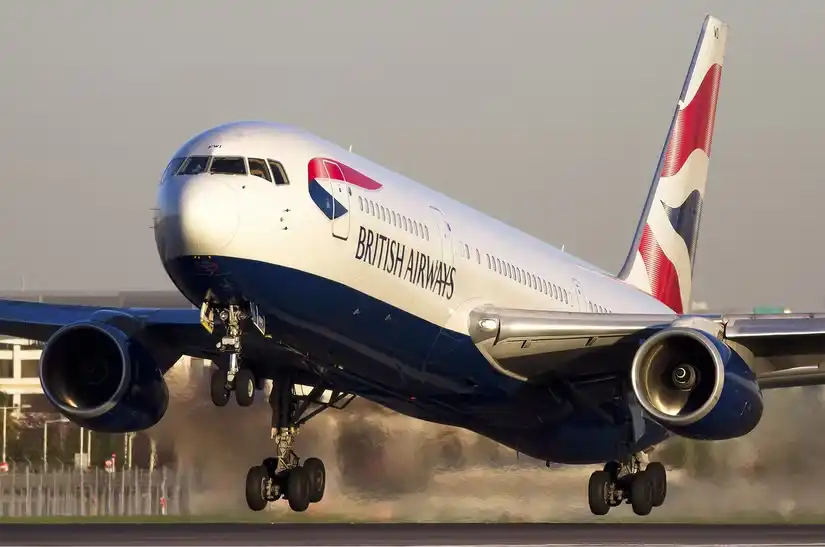
The Boeing 767 is one of the most versatile and successful widebody aircraft in aviation history. Yet, a little-known chapter in its legacy involves a rare engine variant that saw extremely limited adoption. Only 2.3% of all Boeing 767s ever produced were powered by the Rolls-Royce RB211 engine, and all of them served with just two airlines—British Airways and China Eastern’s Yunnan division. This is the story of how one airline operated the rarest Boeing 767s in the world.
The Birth of a Rarity: RB211 and the Boeing 767
The Rolls-Royce RB211 was not an unfamiliar engine in the aviation landscape. Developed in the 1970s, it had already seen action on the Lockheed L-1011 TriStar and Boeing 747s. However, its entry into the Boeing 767 platform was both late and limited. Boeing offered the 767 with multiple engine options, including:
- General Electric CF6
- Pratt & Whitney JT9D and PW4000
- Rolls-Royce RB211-524G/H
While other aircraft like the Boeing 787 and Airbus A320neo also featured dual engine options, the 767 stood out during its time for offering three or more. Yet, when the RB211 finally became an option for the 767-300ER, most airlines had already committed to GE and PW powerplants.
British Airways: The Largest and Last RB211 Operator for the 767
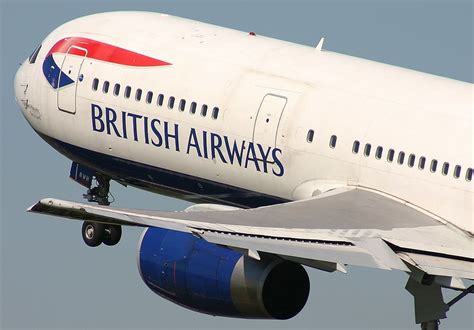
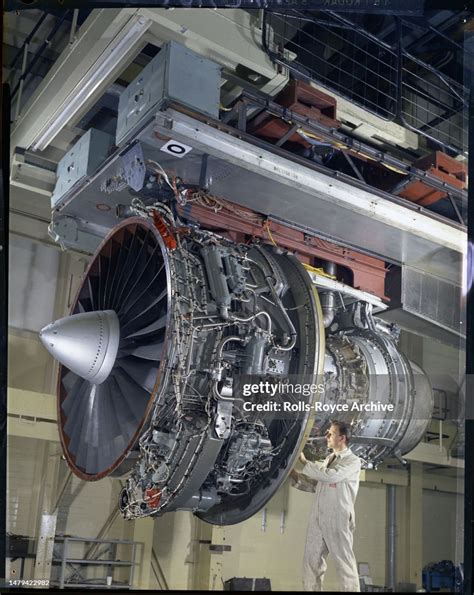
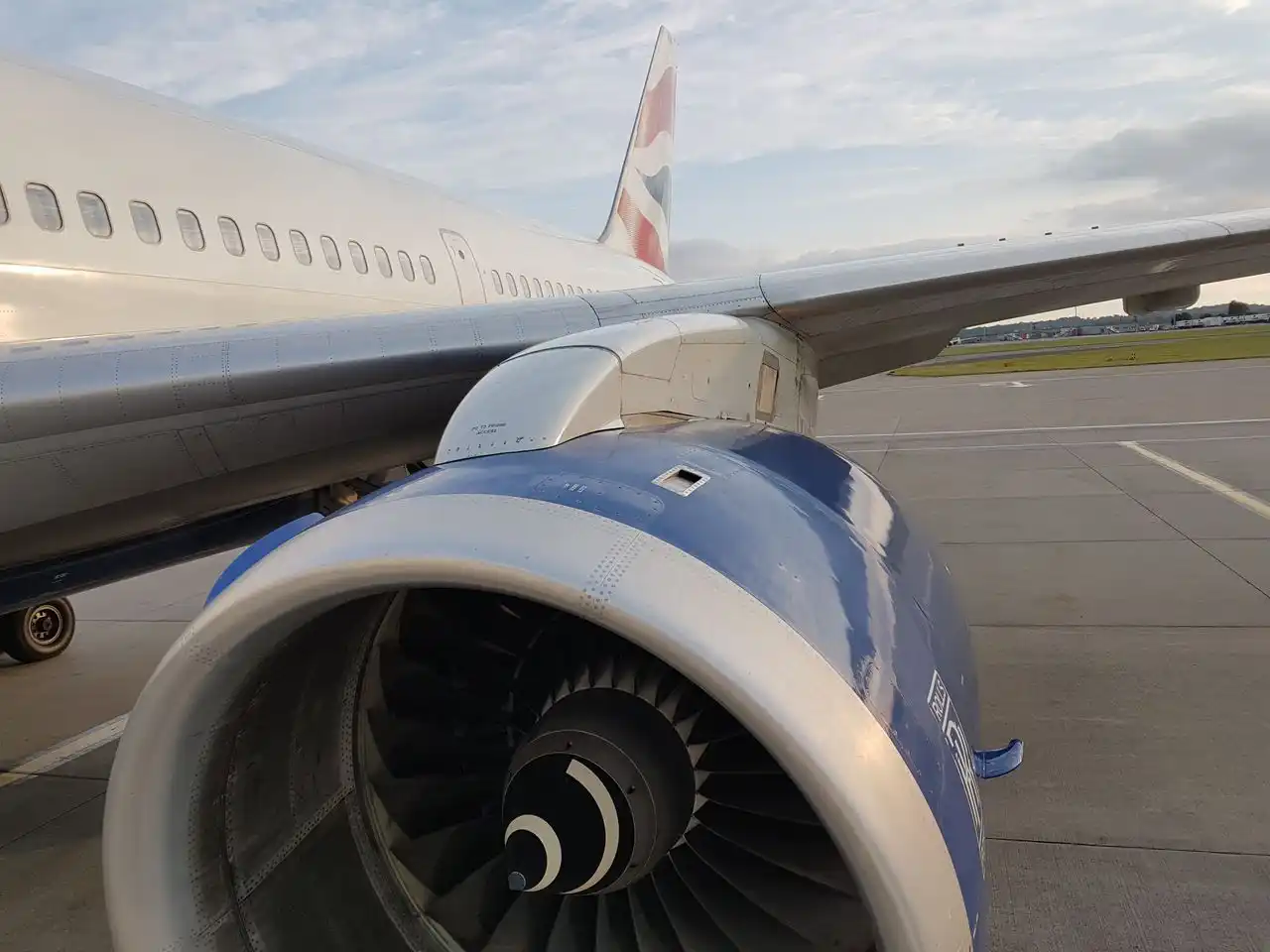
British Airways was the launch customer for the RB211-powered Boeing 767-300ER. The airline ordered 28 aircraft, making it the largest—and virtually exclusive—operator of this rare configuration. China Eastern Yunnan Airlines was the only other customer, ordering just three aircraft.
Deliveries to British Airways began in 1990 and continued until 1998. Surprisingly, the airline started retiring the fleet almost immediately. The first aircraft (G-BNWG) was withdrawn from service in 1999, just a year after the last delivery.
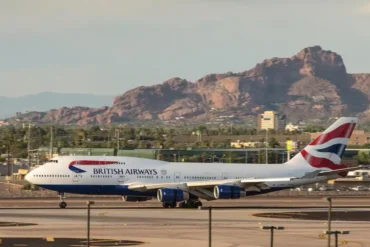
Despite the early withdrawals, BA found value in the RB211 for one crucial reason: engine commonality. The airline’s existing fleet included RB211-powered Boeing 747-200s, 747-400s, and 757s, making maintenance, logistics, and pilot training more streamlined.
Engineering Trade-Offs: A Heavier, Quieter Engine
The RB211 had unique attributes that differentiated it from its rivals. On the positive side, the engine was remarkably quiet—a critical factor for operations at London Heathrow, one of the world’s most noise-restricted airports. The engine also benefited from a well-developed support infrastructure within the UK, ensuring ease of maintenance and logistics.
However, the RB211 came with a significant disadvantage: weight. The engine was approximately 2,200 lbs heavier than its GE and PW counterparts. This additional weight led to structural complications, particularly pylon cracking, during the early service years. Boeing and British Airways implemented interim fixes, including reinforced pylon structures, but the damage was done. Other airlines took notice and opted to avoid the RB211.
A Fleet That Faded Fast
Though BA’s RB211-powered 767s were considered reliable and quiet, their limited adoption and mechanical drawbacks cast a long shadow. Of the 31 aircraft delivered with the RB211 engine:
- 17 were scrapped
- 3 were partially scrapped
- 1 was partially preserved
- 1 is currently stored
- 7 were sold to Qantas in 2000
Qantas, in turn, operated a fleet of 38 Boeing 767s, some of which included the second-hand BA aircraft. However, by 2024, all of these aircraft had been retired. The last known aircraft, G-BNWG, ended its days in storage at Kansas City International Airport.
Market Forces and the ‘Herd Mentality’ of Engine Selection
Airlines make engine choices based on a complex mix of factors—performance, cost, maintainability, noise regulations, and perhaps most importantly, market trends. The RB211, arriving late to the 767 party, struggled to carve a niche in a market already dominated by GE’s CF6 and Pratt & Whitney’s PW4000.
There’s a distinct herd mentality in engine selection: operators prefer to buy what others are buying. A popular engine means better availability of spare parts, lower maintenance costs, and stronger resale value. Conversely, niche engines face obsolescence risks, limited updates, and less manufacturer focus. Airlines couldn’t justify investing in training, tooling, and logistics for such a marginal product.
The Triple-Spool Challenge
Another factor that deterred airlines from choosing the RB211 was its triple-spool design. Unlike the twin-spool designs of the GE CF6 and PW4000, the RB211’s architecture introduced more complex maintenance routines. While triple-spool engines can offer efficiency gains, those are often offset by higher MRO (maintenance, repair, and overhaul) costs and the need for specialized technical training.
For an airline considering a homogeneous fleet, the RB211 presented too many unknowns. With fewer global operators using the engine, support networks were thinner, and expertise was limited outside the UK and select Rolls-Royce partners.
Legacy Beyond the 767: The Trent Family Rises
Despite its underwhelming reception on the Boeing 767, the RB211 was not a dead end. In fact, it laid the technological foundation for the Trent engine family, which has become one of the most successful in the world.
The RB211 directly evolved into the:
- Trent 700 (Airbus A330)
- Trent 800 (Boeing 777-200/300)
- Trent 900 (Airbus A380)
- Trent 1000 (Boeing 787)
- Trent XWB (Airbus A350)
- Trent 7000 (Airbus A330neo)
As of today, the Trent engines command almost 50% of the widebody engine market. While the RB211 failed to dominate in its segment, its descendants have powered modern fleets across continents.
From Sky to Sea: A Marine Successor
Interestingly, the RB211’s influence has also extended to the naval sector. The Rolls-Royce MT30, derived from the Trent 800, is now a marine gas turbine powering advanced warships, including the UK’s Queen Elizabeth-class aircraft carriers. This evolution underscores the adaptability and enduring strength of the RB211 design philosophy.
In a twist of irony, British Airways, which faced early mechanical woes with the RB211-powered 767, later returned to Rolls-Royce with the Trent 1000-powered Boeing 787 Dreamliner—before switching again to GE’s GEnx as newer Dreamliners were ordered.
Conclusion: A Bold Bet, A Rare Bird
The RB211-powered Boeing 767s remain a compelling case study in aviation history—an example of how even sound engineering can be overwhelmed by market timing, operational economics, and fleet strategy. British Airways’ bold bet on the RB211 earned it a unique place in the 767 narrative. These aircraft were not failures; they served reliably, quietly, and for decades. Yet in the broader picture, they were exceptions—not the rule.
Their rarity today is not just about numbers. It reflects a moment when an airline dared to diverge from the mainstream. And while the engine didn’t win the commercial race in this instance, it laid the groundwork for future generations of propulsion systems that continue to define long-haul travel.
In the end, rarity doesn’t always stem from failure—it often stems from foresight, bold choices, and the relentless march of innovation.