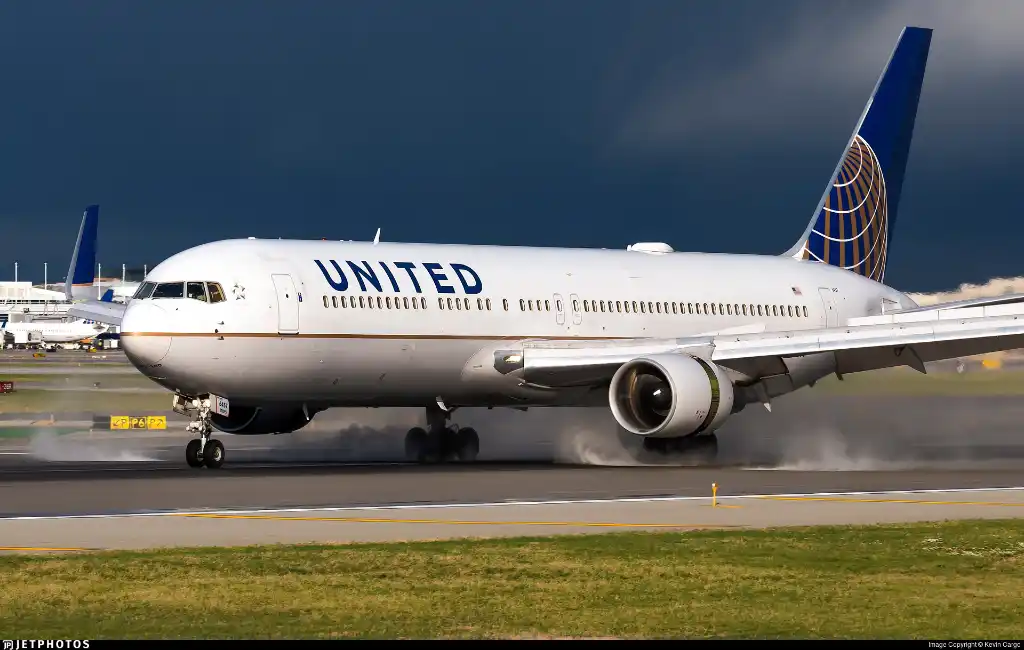
United Bets on Premium: Inside the Deployment of Its 167-Seat Boeing 767-300ERs
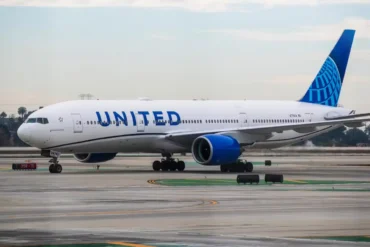
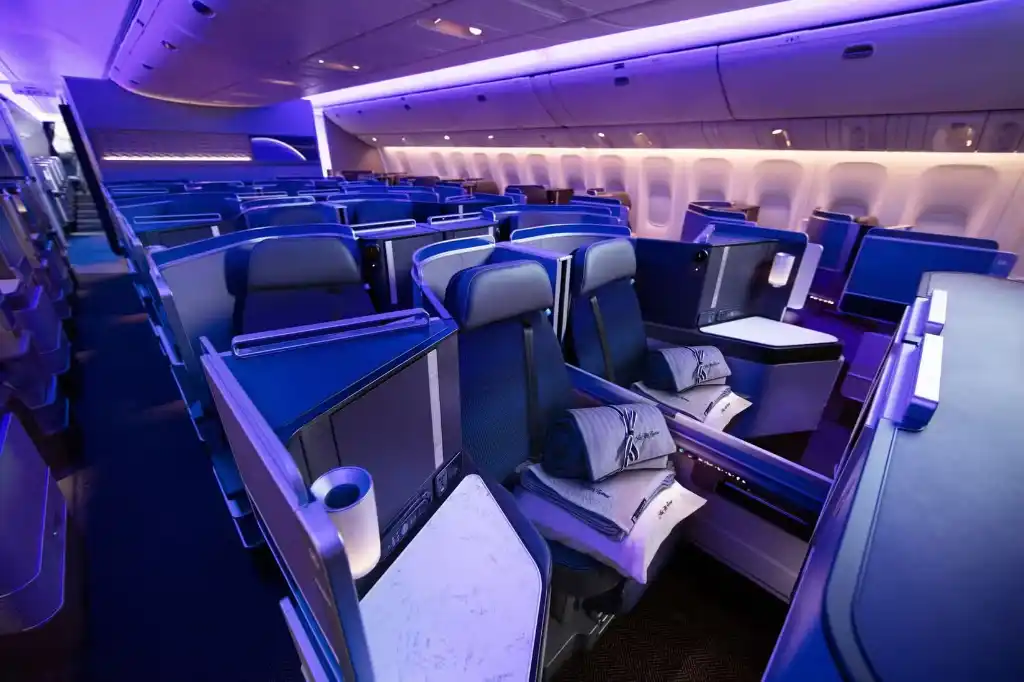
United Airlines has taken a bold departure from the airline industry’s trend of densifying widebody jets. Instead, it has carved out a niche with its 167-seat Boeing 767-300ERs, outfitted for premium-heavy service on key transatlantic routes. While most carriers chase seat-mile efficiency, United focuses on yield maximization, betting that a lower seat count and upscale offerings will drive higher revenue per passenger. With only 167 seats, including 46 Polaris business suites and just 56 in regular economy, these aircraft represent a unique product in long-haul aviation.
The Anatomy of United’s Most Premium Widebody
Among United’s fleet of 53 Boeing 767s, 24 are configured in this ultra-premium layout. It’s the Star Alliance member’s lowest-capacity widebody, with a cabin composition that signals its purpose: to serve high-paying customers on competitive routes. The breakdown is as follows:
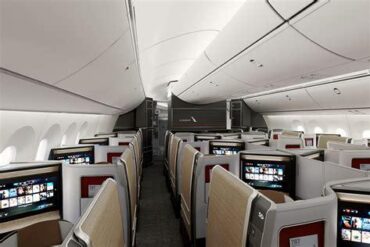
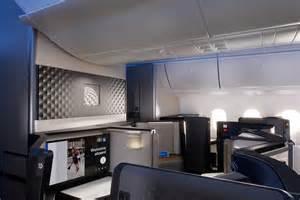
- 46 Polaris business class suites in a spacious 1-1-1 layout
- 22 Premium Plus recliners with generous pitch and width
- 43 Economy Plus seats
- 56 standard economy seats
This is a sharp contrast to the mega-capacity aircraft used by rivals—like Emirates’ 615-seat Airbus A380s. With nearly two-thirds of the cabin dedicated to premium seating, United’s configuration prioritizes margin over volume.
11 Routes, 87 Days: A Focus on High-Yield Transatlantic Markets
Between January 1 and March 28, 2026, United plans to fly an average of 17 daily departures using its 167-seat Boeing 767s. The data indicates 11 transatlantic routes are scheduled, up from 15 daily flights in the same period the year before. This strategic deployment points to the airline’s focus on routes where premium demand is robust enough to justify a low-capacity aircraft.
Among these:
- Newark to London Heathrow is the top performer, with 594 flights during the period—100% operated by the 167-seaters.
- Chicago O’Hare to London Heathrow also sees 100% coverage by this fleet, with 260 departures.
- Routes like Newark to Geneva, Zurich, and Paris CDG round out the transatlantic emphasis, catering to affluent business and leisure travelers alike.
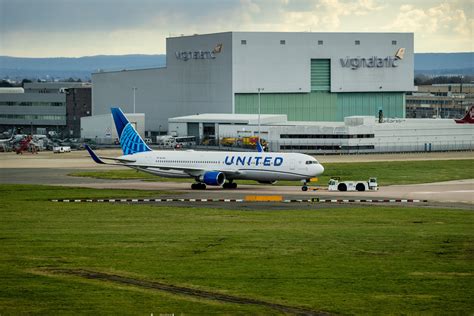
Interestingly, United has ceased operating the 167-seat configuration on former routes such as Washington Dulles to London Heathrow and Zurich, reallocating those aircraft to more profitable sectors.
Why United Reduced Seats Instead of Adding Them
At a time when many carriers are adding rows to increase seat counts and reduce unit costs, United has chosen a radically different strategy. Previously, its 767-300ERs held 214 seats. The move to 167 seats began in 2019, with the airline removing nearly one-quarter of its total capacity in favor of a more luxurious experience.
This reduction improved trip cost efficiency—the aircraft is lighter, consumes slightly less fuel, and incurs lower wear. However, seat-mile costs rose, meaning United had to recover the difference through higher fares. This strategy is viable only on routes with strong premium demand, such as London, Zurich, and Geneva. It also reduces the reliance on economy fare passengers, improving overall yield performance.
Newark to Marrakech: A Curious Addition to the Network
One of the most intriguing deployments of this subfleet is Newark to Marrakech—United’s first African route served by the 167-seat 767. Launched in October 2024, it marked a milestone as the first scheduled service between the US and Morocco by a major US carrier.
While Marrakech is a growing tourist hotspot, it’s not traditionally a high-yield market, raising questions about its inclusion in this premium-heavy model. US DOT data from October 2024 to March 2025 shows a 72.3% load factor on this route, below United’s Newark transatlantic average of 81.7%. The aircraft’s low capacity may help balance the risk in this market, especially during a winter seasonal schedule supported by incentives and risk-sharing agreements.
Despite being 8% shorter than Newark-Zurich, the Marrakech route averaged 69% lower fares, suggesting a strategic reason beyond yield. It may serve as a prestige or positioning route, or even a testbed for future African expansion.
London Heathrow Dominates the Schedule
A standout insight from the data is that nearly 60% of flights using the 167-seat configuration are to London Heathrow—a clear indicator of its significance in United’s transatlantic premium strategy. Heathrow’s premium-heavy business and finance travel market, combined with limited slots and fierce competition, makes it ideal for an aircraft that trades density for luxury.
Every United flight on Newark–LHR and Chicago O’Hare–LHR is served by this aircraft, enabling consistency in product and branding, particularly for Polaris and Premium Plus customers. These flights offer multiple daily frequencies, supporting both day-trippers and overnight travelers.
Economic Strategy Behind the Configuration
The 167-seat configuration represents United’s calculated bet on premium travel in a post-pandemic environment where leisure demand is strong, but business travel has become more selective and profitable. By offering a luxury-forward cabin, United targets the upper-tier traveler while deliberately minimizing exposure to price-sensitive economy markets.
It also allows for scheduling flexibility—lower-capacity aircraft on high-frequency routes mean better departure timing options and improved fleet utilization. In a constrained slot environment like Heathrow or Geneva, maximizing yield per flight becomes far more important than maximizing passengers.
The Future of the 167-Seat Fleet
While some observers see the low-capacity 767s as a niche asset, United seems committed to expanding their use within a tightly controlled network of strategic long-haul markets. The aircraft serves as a floating premium suite, moving where yield demands it most. Whether this strategy will survive as new aircraft like the Boeing 787 become more prominent in the fleet remains to be seen.
What is clear is that these 767s have carved a role in United’s transatlantic operations that emphasizes quality over quantity, a rare posture in an industry driven by efficiency metrics. As more airlines reconsider how they serve their top-tier customers, United’s ultra-premium 767s may prove to be ahead of their time, not behind it.