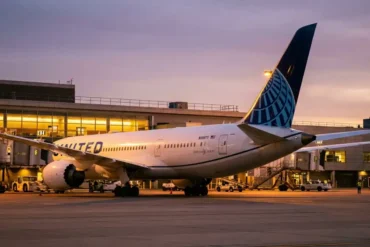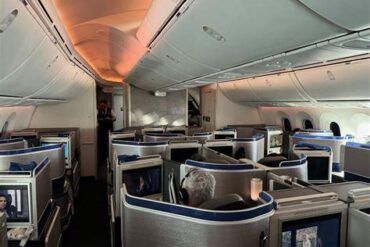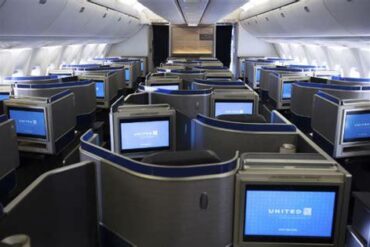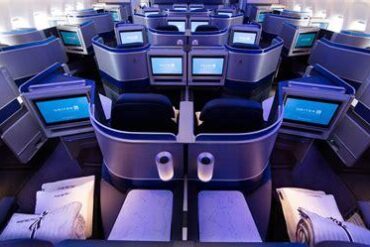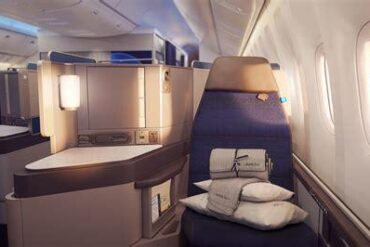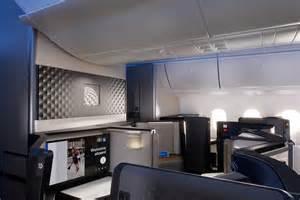
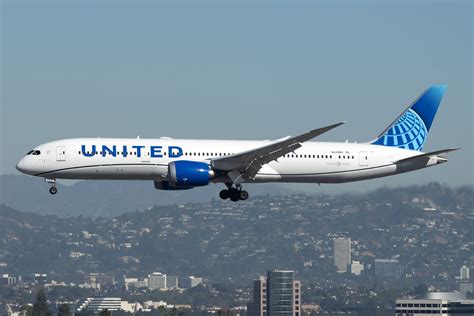
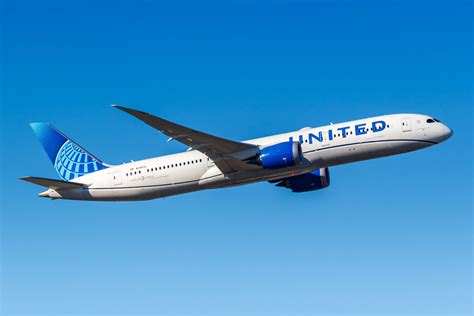
United Airlines is making a calculated, high-stakes bet on premium travel demand—and it’s doing so with one of the most striking widebody cabin strategies seen in years. The arrival of the 222-seat Boeing 787-9 Dreamliner marks a decisive pivot away from traditional capacity-driven layouts toward a more refined, revenue-focused configuration built around comfort, privacy, and high-yield passengers.
This isn’t just another aircraft delivery. It’s a signal. A signal that United believes the future of long-haul flying isn’t about squeezing in more passengers—but about delivering a better experience to fewer of them, at a higher price point.
By dramatically reducing seat density and introducing new layers of premium products, United is reshaping not just its fleet—but its identity in the global aviation landscape.
A Radical Shift: Why 222 Seats Changes Everything
The standard Boeing 787-9 typically accommodates around 257 passengers in United’s existing configuration. Dropping that number to 222 seats isn’t a minor adjustment—it’s a structural rethink of how an airline extracts value from a widebody jet.
At the heart of this change is a bold reallocation of space:
- 64 Polaris business class suites
- 35 Premium Plus seats
- 39 Economy Plus seats
- 84 standard economy seats
That brings the total number of premium seats—business and premium economy combined—to 99, an unusually high figure for an aircraft of this size.
This matters because airline profitability on long-haul routes is increasingly driven by premium cabins. Corporate travelers, high-net-worth individuals, and experience-focused leisure passengers are willing to pay significantly more for comfort, privacy, and consistency. United is clearly designing this aircraft to capture that demand more effectively.
Instead of chasing volume, the airline is optimizing for yield. It’s a quieter, more strategic approach—and one that aligns closely with evolving global travel patterns.
How Polaris Became the Cornerstone of United’s Premium Strategy
United Polaris wasn’t always the polished, flagship product it is today. When it launched in December 2016, it represented a much-needed overhaul of the airline’s long-haul business class offering, which had struggled with inconsistency and outdated seats.
From the beginning, Polaris was about more than just the seat. It introduced a fully integrated experience:
- Upgraded dining with restaurant-style presentation
- Saks Fifth Avenue bedding
- Dedicated Polaris lounges
- Improved service flow
The rollout began with the Boeing 777-300ER, establishing a new benchmark for United’s international product. Over time, Polaris expanded across the 767, 777, and 787 fleets, becoming the standard for long-haul premium travel within the airline.
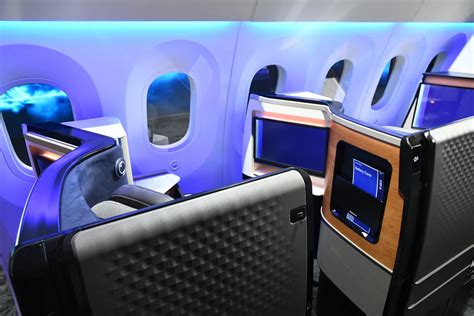
What makes the 222-seat 787-9 different isn’t the introduction of Polaris—it’s the intensification of it. Polaris is no longer just a competitive offering; it’s the centerpiece of a broader premium ecosystem that now includes multiple tiers within business class itself.
Introducing Polaris Studio: A New Tier Above Business Class
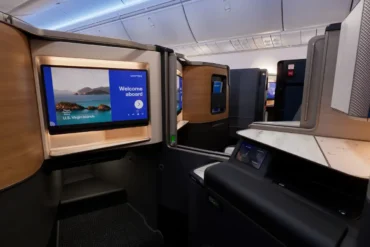
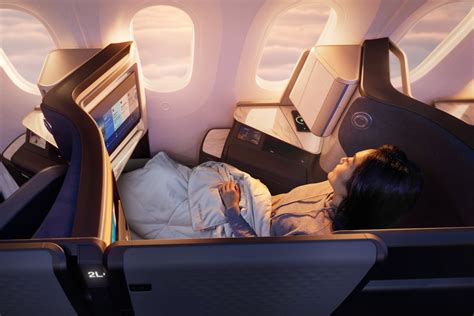
Perhaps the most intriguing innovation on these aircraft is the debut of Polaris Studio, a concept that effectively creates a sub-class within business class.
Located in the first row of each Polaris cabin, the aircraft features eight Polaris Studio suites—and they are designed to stand apart in every way.
These suites are:
- 25% larger than standard Polaris seats
- Equipped with 27-inch 4K OLED screens
- Designed with an ottoman for companion seating
- Enhanced with upgraded dining and exclusive amenities
This isn’t just a better seat—it’s a different experience. Polaris Studio caters to travelers who want something beyond business class but don’t necessarily need a separate first-class cabin.
In effect, United has found a way to reintroduce ultra-premium differentiation without the operational complexity of a traditional first-class product. It’s a clever move, especially in markets where first class has struggled to remain profitable.
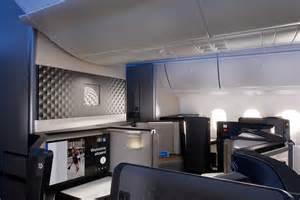
A Fully Upgraded Polaris Suite Experience
Even outside Polaris Studio, the standard Polaris seat has been significantly refined. The updated suites on the 222-seat Dreamliner include a range of enhancements that bring them firmly into the modern era of premium travel.
Passengers can expect:
- Sliding privacy doors for a fully enclosed feel
- 19-inch 4K OLED screens with sharper resolution
- Wireless charging for personal devices
- Bluetooth connectivity for seamless audio pairing
- Expanded storage compartments for improved usability
These upgrades address some of the subtle but important shortcomings of earlier Polaris installations. The result is a cabin that feels more cohesive, more private, and more aligned with what travelers now expect from top-tier international business class.
Premium Plus Evolves Into a True Mid-Tier Contender
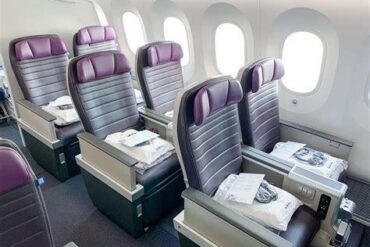
The transformation doesn’t stop at the front of the aircraft. United is also investing heavily in Premium Plus, its premium economy product.
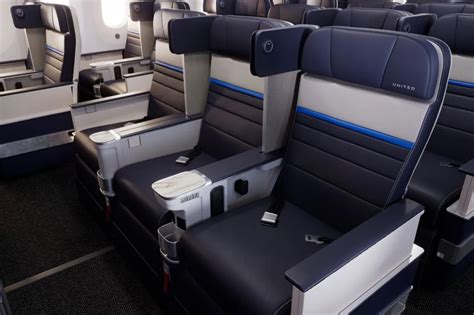
On the 222-seat 787-9, Premium Plus receives:
- Enhanced privacy dividers
- Updated seat finishes and materials
- Wireless charging capabilities
- A more intimate, refined cabin layout
This is significant because premium economy has become one of the fastest-growing segments in long-haul travel. It appeals to passengers who want more comfort than economy but aren’t ready to pay business class fares.
By elevating this product, United is strengthening its ability to capture mid-tier demand—particularly on long-haul routes where comfort becomes increasingly important.
Economy Isn’t Forgotten: Bigger Screens and Better Tech
Even with a reduced footprint, economy class on these aircraft is far from an afterthought. In fact, United is using technology to ensure that the experience remains competitive—and even appealing.
The standout feature is the introduction of the largest seatback screens in the world for economy passengers. Combined with:
- Bluetooth audio support
- Improved in-seat power options
- Updated cabin aesthetics
…the result is an experience that feels modern and thoughtfully designed.
This matters because, on a premium-heavy aircraft, economy passengers could easily feel like an afterthought. Instead, United is ensuring that every cabin benefits from the redesign—even if the number of seats has been reduced.
Strategic Rollout: Why Domestic Routes Come First
Before deploying these aircraft on long-haul international routes, United is taking a measured approach by introducing them on select domestic flights.
Initial routes include:
- San Francisco (SFO) – Houston Intercontinental (IAH)
- San Francisco (SFO) – Washington Dulles (IAD)
This phase serves multiple purposes. It allows crews to become familiar with the new cabin layout and service routines, while also giving the airline an opportunity to identify and resolve any early operational issues.
At the same time, it creates a preview opportunity for passengers. Travelers on these routes get an early look at United’s most advanced long-haul product—without committing to a transoceanic journey.
It’s a smart rollout strategy: controlled, visible, and operationally efficient.
San Francisco to Singapore: The Ultimate Showcase Route
The first international deployment is set for April 22, 2026, with flight UA1 from San Francisco to Singapore.
This route is no ordinary choice. At nearly 17 hours, it ranks among the longest flights in the world. That makes it an ideal proving ground for a premium-heavy aircraft.
On such a long journey:
- Polaris and Polaris Studio can fully demonstrate their value
- Premium Plus becomes a compelling alternative to economy
- Enhanced entertainment and comfort features make a tangible difference
Singapore is also a market with strong premium demand, making it a logical fit for this configuration. By assigning the aircraft here on a daily basis, United is signaling confidence—not just in the product, but in the market’s ability to sustain it.
San Francisco to London Heathrow: Competing at the Highest Level
Just days later, on April 30, 2026, the aircraft begins service between San Francisco and London Heathrow.
If Singapore is about endurance, London is about competition.
Heathrow is one of the most lucrative and competitive aviation markets in the world, dominated by airlines that invest heavily in premium cabins. Deploying the 222-seat 787-9 on this route sends a clear message: United intends to compete aggressively at the top end of the market.
This isn’t a temporary showcase. The aircraft is scheduled to operate daily on both routes throughout 2026, reinforcing its role as a core part of United’s long-haul strategy.
The Bigger Picture: A New Era of Premium-Focused Flying
The introduction of the 222-seat Boeing 787-9 represents more than a fleet upgrade—it’s a philosophical shift.
Airlines have long pursued higher seat counts to maximize revenue. But United is taking a different path, one that prioritizes:
- Passenger experience over density
- Revenue per seat over total passenger numbers
- Product differentiation over uniformity
This approach reflects broader industry trends. As travel demand evolves, particularly in the premium segment, airlines are rethinking how they design cabins and deploy aircraft.
United’s strategy suggests a future where:
- Business class becomes more segmented and personalized
- Premium economy continues to grow in importance
- Economy evolves through technology rather than space
And perhaps most importantly, where fewer seats don’t mean less revenue—just smarter revenue.
The 222-seat Dreamliner isn’t just another aircraft. It’s a statement of intent, a carefully engineered response to changing passenger expectations, and a glimpse into what long-haul travel is becoming.
If this strategy delivers the results United is betting on, don’t be surprised to see other airlines follow suit—trading quantity for quality, and redefining what it means to fly long-haul in the process.