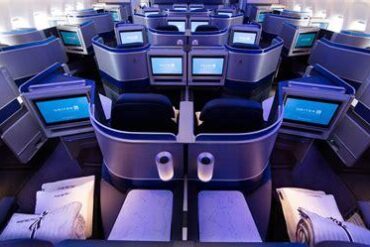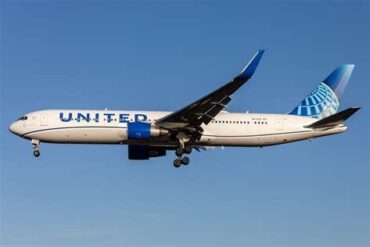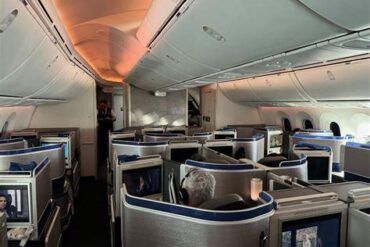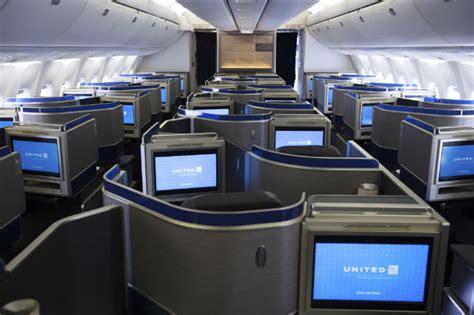
United Airlines is making a bold move that defies traditional seasonal expectations by extending its Newark Liberty International Airport (EWR) to Palermo / Punta Raisi Airport (PMO) flights into the winter months. Typically, Sicily is viewed as a high-demand, summer-only destination, attracting travelers primarily between June and September. However, United’s latest schedule updates confirm that flights will continue three times weekly from October through December, signaling the airline’s confidence in both winter leisure travel and substantial premium demand. Beyond the timing, the choice of aircraft is even more remarkable: a “High J” Boeing 767-300ER configured with 46 Polaris business class seats, a layout more commonly reserved for peak-demand routes.
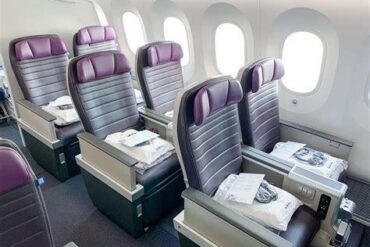
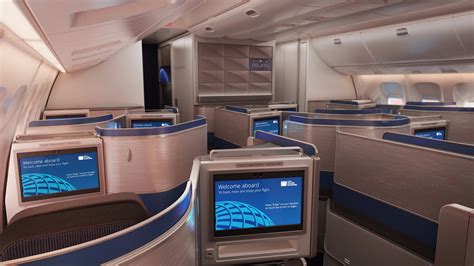
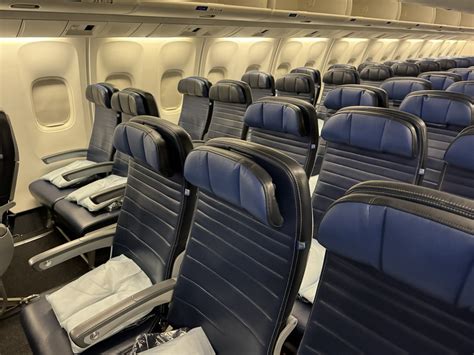
The decision to operate a premium-heavy aircraft during a period when many airlines scale back capacity underscores United’s commitment to maximizing revenue per seat rather than relying solely on volume. Traditionally, secondary European destinations like Palermo have faced steep post-summer declines, making late-season service commercially risky. Yet United is betting that its strategy of targeting both high-yield leisure travelers and affluent American visitors with Polaris business class, Premium Plus, and Economy Plus seating will offset any seasonal dip. The aircraft’s 167-seat configuration—comprising 46 Polaris, 22 Premium Plus, 43 Economy Plus, and 56 standard economy seats—strikes a careful balance between limiting low-yield capacity and capturing premium revenue.
Palermo Emerges as a Strategic Year-Round Destination
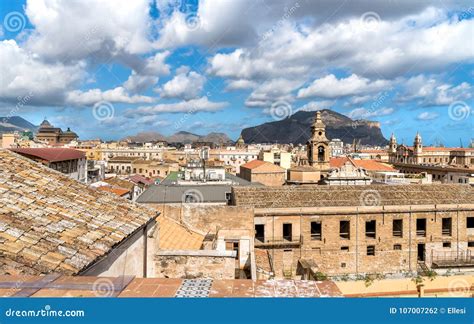
United’s decision to maintain nonstop flights to Palermo through December reflects a broader shift in Mediterranean travel trends. Southern Europe has seen an extension of the tourist season beyond the traditional summer peak, driven by travelers seeking cooler climates, cultural experiences, and less crowded destinations. Sicily’s evolving tourism profile now includes luxury resorts, wine and culinary tourism, and cultural excursions, all of which appeal to affluent visitors and high-spending Americans seeking alternatives to over-saturated Italian cities like Rome and Florence.
Beyond leisure travelers, the route taps into significant diaspora and visiting friends and relatives (VFR) demand. The northeastern United States is home to a large Sicilian-American population, and nonstop flights from Newark offer a convenient option, bypassing busy Italian hubs such as Rome Fiumicino (FCO) or Milan Malpensa (MXP). For United, this combination of premium leisure and diaspora traffic justifies both the continuation of service into winter and the deployment of a high-premium aircraft.
High-Yield Strategy: Why the 46-Seat Polaris 767 Makes Sense
The “High J” Boeing 767-300ER is central to United’s approach. By emphasizing premium seating, the airline can generate stronger yields on fewer passengers, reducing commercial risk while still providing nonstop service. This contrasts with standard seasonal operations that rely on filling a high number of economy seats to break even. On the Newark–Palermo route, nearly 30% of the seats are Polaris business class, supplemented by Premium Plus and Economy Plus, providing multiple opportunities to upsell travelers seeking comfort without committing to full business class fares.
Key advantages of the configuration include:
- Revenue Optimization: High proportion of premium seats allows for strong yields even if economy cabin loads are modest.
- Operational Flexibility: A 167-seat aircraft ensures the route can be served year-round without relying on massive connecting traffic or deep discount fares.
- Market Differentiation: Offering a premium-heavy cabin on a secondary European route sets United apart from competitors, appealing to both affluent leisure travelers and business-oriented VFR passengers.
United’s Secondary Europe Strategy Gains Traction
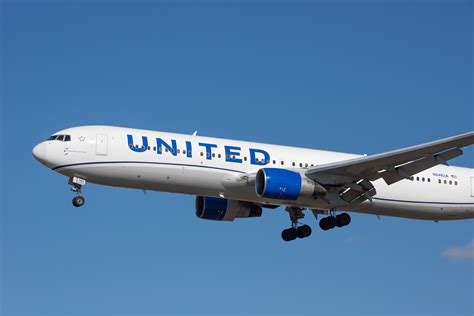
The extension of Palermo service into winter is a milestone in United’s ongoing “secondary Europe” strategy. Unlike traditional transatlantic operations focused on major hubs like London Heathrow (LHR) and Frankfurt (FRA), United has aggressively targeted secondary cities in Europe, including Palma de Mallorca, Malaga, Faro, and Ponta Delgada. These routes typically attract high-value leisure travelers or serve diaspora communities that larger carriers overlook. Palermo, launched in May 2025 with a Boeing 767-400ER, achieved load factors exceeding 85% during the summer season, validating the airline’s hypothesis that secondary destinations can be profitable with the right aircraft and scheduling approach.
Historically, secondary Europe routes were highly seasonal, ceasing operations once the summer peak ended. By contrast, Palermo’s winter extension demonstrates United’s confidence in the year-round potential of carefully selected destinations. New routes to Split and Bari, also operating with the High-J 767, suggest this model may be replicated across additional secondary European cities. This strategy allows United to expand its network without being confined to ultra-competitive hub-to-hub markets, while simultaneously cultivating a loyal base of high-yield travelers.
Market Trends Supporting Winter Operations
Several macro trends reinforce United’s decision to maintain Palermo flights through winter. Mediterranean tourism patterns are shifting, with a growing number of visitors seeking off-peak experiences that avoid overcrowded beaches and summer heat. Sicily, in particular, has become attractive for cultural, gastronomic, and wine tourism, broadening its appeal beyond traditional sun-and-sea vacationers.
Additionally, the luxury travel segment has grown substantially. Resorts in Palermo and surrounding Sicilian towns now cater to international travelers seeking high-end accommodations, gourmet dining, and immersive experiences in historic settings. These affluent visitors are more likely to book premium cabins, aligning perfectly with United’s high-yield strategy on the 767-300ER.
Diaspora demand remains a consistent driver. Nonstop service from Newark is especially valuable for Sicilian-Americans who prefer direct flights to Palermo rather than routing through major Italian hubs. Combined, these factors create a sustainable market for extended seasonal operations that can support premium-heavy aircraft deployment.
The Broader Implications for United’s Fleet Deployment
The choice to assign a High-J 767 to Palermo is indicative of a strategic shift in United’s long-haul fleet deployment. By leveraging aircraft that prioritize revenue-generating premium seats, the airline can economically operate thinner routes while maximizing profitability. The 46-seat Polaris business class configuration allows the carrier to mitigate risks associated with lower post-summer passenger volumes, ensuring financial viability without resorting to discounted economy-heavy layouts.
Looking forward, this approach may become standard for secondary European destinations with strong premium demand. The High-J fleet’s flexibility supports both seasonal peaks and extended off-peak operations, giving United an operational advantage over competitors who rely on one-size-fits-all aircraft deployments. Routes such as Split and Bari, already using the High-J variant, may pave the way for further winter expansions across United’s Newark network, reflecting a sophisticated alignment of aircraft, cabin layout, and market potential.
A New Era for Sicily Travel
United’s winter extension of Newark–Palermo flights signals more than just a seasonal adjustment; it represents a strategic evolution in how airlines approach secondary European markets. By combining a premium-heavy aircraft, year-round scheduling, and targeting affluent travelers along with diaspora demand, United is setting a new standard for what winter Mediterranean travel can look like. Travelers now have unprecedented access to Sicily outside the traditional summer months, with comfort and convenience that rivals peak-season offerings.
The implications extend beyond the airline. Palermo and Sicily, long considered seasonal destinations, now have the opportunity to attract a higher-spending demographic for longer periods, supporting local businesses, luxury accommodations, and cultural tourism initiatives. This convergence of airline strategy and market evolution highlights how innovative scheduling and premium fleet deployment can reshape perceptions of travel demand in secondary European cities.
United’s decision to extend Newark–Palermo flights into December using a Polaris-equipped 767 reflects an ambitious, data-driven understanding of tourism trends, premium demand, and diaspora travel patterns. By aligning aircraft, cabin layout, and route strategy, the airline is poised to not only maintain but expand its presence in the Mediterranean off-season, potentially redefining winter leisure travel to Sicily for years to come. This development underscores the evolving sophistication of airline network planning, illustrating how targeted, premium-focused strategies can unlock year-round potential in destinations previously regarded as strictly seasonal.