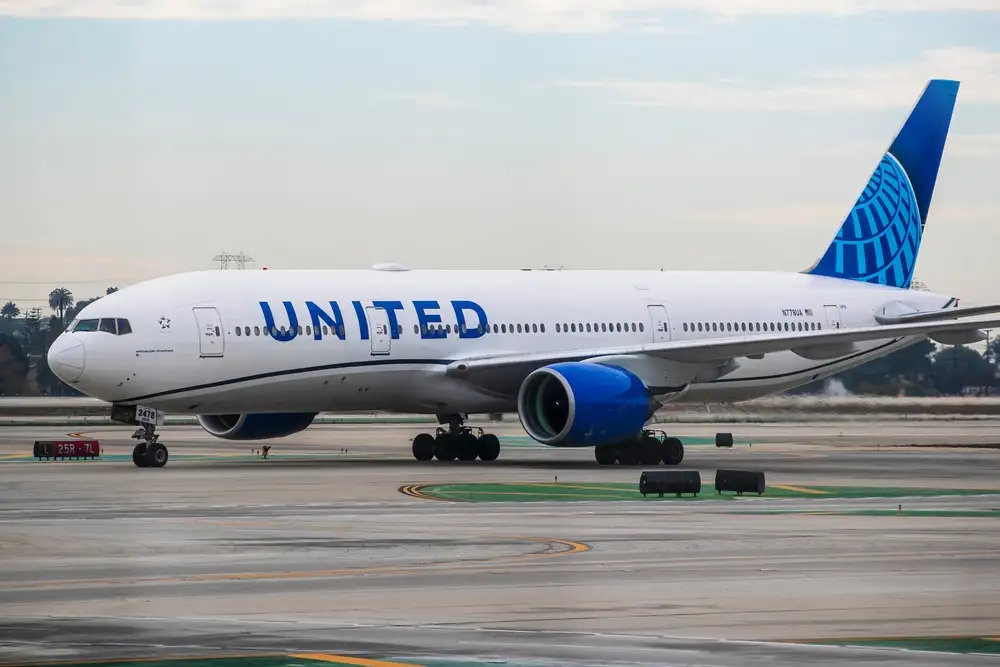
Mid-Flight Emergency Diverts United Airlines Flight UA236
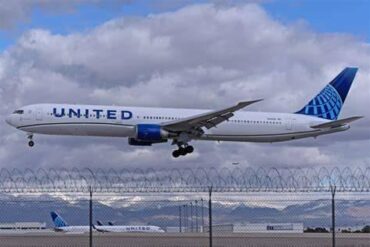
In an unusual mid-Atlantic security incident, United Airlines Flight 236, a Boeing 767-400ER bound for Palma de Mallorca, Spain, was forced to return to Newark Liberty International Airport after a passenger’s Bluetooth device name triggered a bomb-threat alert. The aircraft, which departed Newark at 6:08 PM local time on May 30, 2026, was approximately one hour into its transatlantic journey when crew members identified a potential threat, prompting a rare in-flight emergency maneuver.
Passengers on board reported that the alarm originated from a teenager’s Bluetooth speaker, which had been named ‘BOMB.’ The seemingly innocuous digital label immediately escalated into a full-scale security response. Crew members repeatedly instructed passengers to deactivate their Bluetooth devices, eventually imposing a one-minute ultimatum. Despite these warnings, at least two devices remained active, leading the flight crew to declare a general emergency and divert the plane back to Newark.
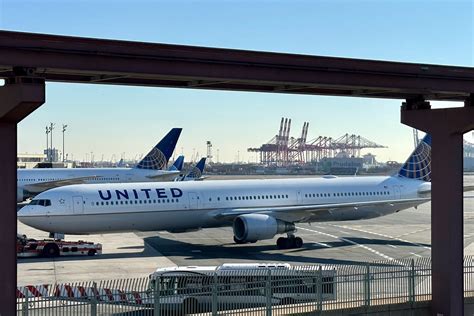
Immediate Response and Security Measures
Flight attendants reportedly used the PA system to issue multiple warnings, emphasizing the critical need for passengers to switch off all discoverable Bluetooth devices. Sources on Reddit indicated that the urgency increased with each announcement, culminating in the final one-minute ultimatum. Flight tracking data show that the aircraft remained airborne for nearly three hours before safely landing back at Newark at 8:50 PM. During this period, the transatlantic flight path had already taken the aircraft deep into the Atlantic Ocean, illustrating the logistical complexity of managing a security threat mid-flight.
Upon landing, passengers were met by a significant contingent of local and federal law enforcement. Authorities instructed travelers to leave all cabin bags on board, taking only essential items such as passports and phones. This facilitated a thorough sweep of the aircraft, ensuring that no actual explosives were present. Passengers were later re-screened by TSA before boarding a replacement flight, which took off in the early hours of the following day.
Technical Details of the Incident
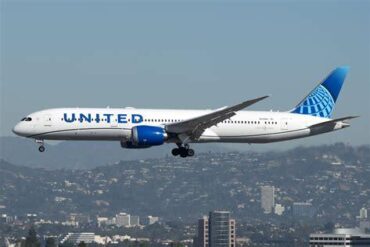
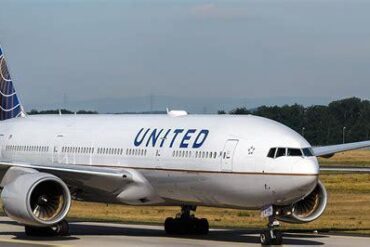
United Flight 236 was operated using a Boeing 767-400ER, registration N67052. The aircraft’s emergency squawk code, 7700, was activated, signaling a general in-flight emergency to air traffic control. While the immediate cause was traced to a passenger’s Bluetooth speaker, the incident underscores how even digital labels on personal devices can be interpreted as credible threats under current aviation security protocols.
Recordings from LiveATC.net revealed that ground personnel were prepared for a rapid response, with up to ten agents awaiting the aircraft’s return. This level of readiness reflects the aviation industry’s heightened sensitivity to any potential threats, no matter how seemingly minor or accidental. The airline was unavailable for immediate comment, but historical context suggests that United takes these situations extremely seriously, as evidenced by similar incidents earlier in the year.
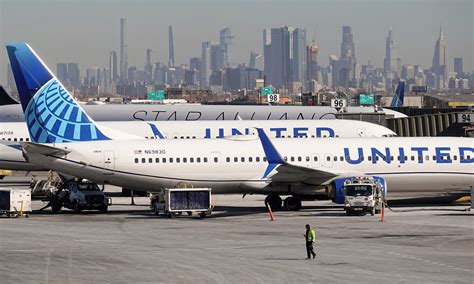
Precedents and Security Culture
The Newark incident is not an isolated case. Earlier in May 2026, a United flight faced a similar scare when a Wi-Fi hotspot named “Free Palestine, F Zionists” triggered warnings from the flight crew. Passengers were given thirty seconds to rename the hotspot or face intervention by federal authorities. In April, two consecutive flights required evacuations due to bomb threats, demonstrating a pattern in which modern aviation security protocols are highly sensitive to even indirect or digital cues of danger.
Aviation experts note that the presence of threatening language, even if not connected to an actual device, is treated with the utmost seriousness. While the incident in question involved a playful or careless act rather than a genuine threat, the protocols enforced onboard ensured passenger safety without compromise. These precautions reflect a broader trend in which airlines and regulators err on the side of caution, particularly on transatlantic flights where emergency diversions are more complex and resource-intensive.
Passenger Experience and Operational Impact
Travelers returning to Newark were briefly stranded as security personnel conducted comprehensive inspections. The replacement flight operated by the same Boeing 767-400ER departed around 2:30 AM the following day, allowing passengers to continue their journey to Palma de Mallorca after passing through TSA re-screening. While inconvenient, these measures ensured that safety remained the primary priority.
Airline analysts suggest that incidents like this, while rare, can affect operational schedules, crew planning, and passenger satisfaction. The prompt and structured response by United Airlines reflects standard operating procedures designed to mitigate risk while minimizing disruption, but the human element—passengers misunderstanding or ignoring warnings—remains a critical variable in such scenarios.
The UA236 diversion highlights how even seemingly minor actions, like naming a Bluetooth device, can escalate into major security events in the tightly regulated aviation environment. As airlines continue to integrate technology with passenger services, the importance of digital awareness and compliance with in-flight instructions is increasingly emphasized.
This event serves as a vivid reminder that aviation security now extends beyond traditional physical threats to include digital behaviors that may unintentionally trigger safety protocols, reaffirming the airline industry’s commitment to safeguarding passengers above all else.