In 2025, the travel insurance industry is experiencing a remarkable transformation, driven by rising geopolitical instability, climate unpredictability, and a surge in travel disruptions. The traditional frameworks of travel preparation are evolving as travelers confront new realities that necessitate more robust protection strategies. With issues like airport delays, aging infrastructure, and shifting international conditions, insurance has transitioned from being an optional safeguard to a vital component of travel planning.
As travelers navigate through increasingly complex global conditions, the demand for comprehensive travel insurance is witnessing unprecedented growth. Recent reports indicate that early 2025 marked a significant uptick in global interest, with a 32% increase in travel insurance quote requests within the United States compared to the same timeframe in 2024. In Europe, a notable 3% growth in subscriptions was observed, particularly ahead of the summer season, signaling a consistent trend towards more inclusive coverage options. This shift illustrates a growing awareness among travelers that conventional policies may no longer suffice for addressing the myriad challenges they now face.
The Rise of Flexible Coverage: “Cancel For Any Reason” (CFAR)
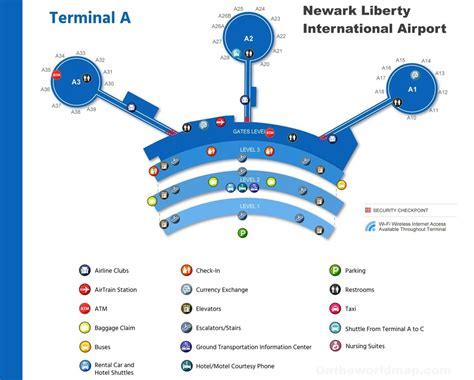
Among the most significant developments in 2025 is the increasing popularity of “Cancel For Any Reason” (CFAR) coverage. This flexible insurance option allows travelers to cancel their trips for almost any reason and still receive either a partial or full refund. The surge in CFAR purchases—recorded at a 34% increase—is largely attributed to ongoing travel uncertainties, notably exemplified by the flight delays experienced at Newark Liberty Airport in May 2025. Staffing shortages, runway renovations, and aging systems contributed to these disruptions, prompting travelers to seek more adaptable insurance plans that provide a sense of control amid unexpected changes.
The significance of CFAR coverage extends beyond mere convenience; it reflects a fundamental shift in how travelers approach risk management. As the travel landscape continues to evolve, this type of insurance empowers individuals to navigate uncertainties without the burden of financial loss, enhancing the overall travel experience.
Geopolitical Tensions and Comprehensive Insurance Needs
The ongoing geopolitical tensions, particularly the conflict between Israel and Iran, have had profound implications for the global travel network. As flight routes are rerouted, cancellations become commonplace, and regional instability escalates, travelers are increasingly recognizing the limitations of basic travel insurance. Consequently, there is a growing inclination towards policies that encompass a broader array of risks, particularly those tied to political unrest and cross-border complications.
This expanded risk environment is motivating insurers to develop more inclusive products designed to adapt to global uncertainties. With the complexities of modern travel, it is essential for policies to address not only health-related issues but also the ramifications of geopolitical strife. As travelers prioritize safety and security, they seek coverage that can effectively respond to unforeseen circumstances, ensuring peace of mind during their journeys.
Parametric Insurance: A Game Changer in the Industry
An innovative solution gaining traction within the travel insurance sector is parametric insurance. Unlike traditional policies, which require complex claims processes, parametric insurance automatically pays out when predefined conditions are met, such as flight delays or extreme weather events. This straightforward model appeals to travelers who value efficiency and speed, offering a seamless experience that eliminates the stress associated with traditional claims.
In 2024, the inclusion of parametric coverage in various travel packages, including theme park visits and luxury accommodations, contributed to a 30% increase in bookings and a 10-15% rise in high-end hotel stays. These statistics underscore a consumer desire for reliable protection that responds in real time, catering to the immediacy of modern travel needs. As travelers embrace this innovative approach, insurers are adapting their offerings to meet the demand for swift, effective solutions that align with contemporary expectations.
Corporate Travelers Demand Enhanced Protections
By late 2024, corporate travel had seen a staggering 50% increase in requests for travel risk consultations. Many inquiries stemmed from companies sending employees on domestic U.S. trips, where evolving visa policies and customs procedures created an atmosphere of uncertainty. Businesses are embedding risk management into their travel strategies more profoundly than ever before, recognizing that comprehensive insurance is no longer an afterthought but rather a fundamental element of business travel planning.
Corporate travelers are increasingly discerning about the types of coverage they require, seeking policies that offer extensive protections against a range of potential issues. The shift towards a more proactive stance on travel risk management reflects a growing understanding that the safety of employees is paramount, and adequate insurance coverage plays a critical role in safeguarding both personnel and organizational interests.
The Move Towards Sustainable Insurance Solutions
While still a nascent segment of the market, the demand for eco-conscious insurance products is beginning to gain traction. As travelers become more aware of the connection between climate events—such as hurricanes, floods, and snowstorms—and their impact on travel plans, both individuals and corporations are showing interest in policies that reflect environmental awareness and resilience against climate disruptions. This trend hints at a long-term movement towards sustainable insurance options that prioritize ecological considerations alongside traveler protection.
The growing interest in sustainable insurance products signifies a broader recognition of the interconnectedness of travel and environmental stability. As climate change continues to shape the travel landscape, insurers are responding by developing innovative solutions that address both the immediate needs of travelers and the long-term sustainability of the industry.
Redefining Expectations: What Modern Travelers Demand from Insurance
Today’s travel insurance must transcend traditional boundaries, extending far beyond mere coverage for illness or trip cancellation. Modern travelers face an array of challenges, from severe weather patterns to flight reroutes caused by geopolitical instability. As a result, policies are being reengineered to encompass a much broader range of issues, incorporating features that today’s travelers expect:
- Real-time support and updates: Travelers seek immediate access to information regarding their insurance coverage and travel status.
- Quick claims processing: The ability to file and receive claims efficiently is a top priority for modern travelers.
- Flexible and dynamic coverage options: Policies must adapt to the unique circumstances of each journey.
- Technology integration for monitoring risk: Smart tools that help assess and mitigate risks are becoming essential.
Insurers are rising to the occasion by expanding product lines, enhancing digital tools, and developing intelligent systems capable of adapting to live data and traveler behavior. The focus is on creating a responsive insurance ecosystem that aligns with the evolving demands of global travelers.
Embracing a New Era of Travel Insurance
For travelers traversing critical hubs like Newark Liberty, across Europe, or near politically sensitive regions such as Israel and the broader Middle East, the imperative for advanced protection is unmistakable. Insurance has transformed from a simple safety net into a comprehensive framework that emphasizes prevention, adaptability, and peace of mind. Whether traveling for business or leisure, individuals are increasingly demanding coverage that can respond to the complexities of contemporary travel experiences.
The days of standard, one-size-fits-all insurance are swiftly fading into the past. Instead, the evolving trends of 2025 clearly illustrate that travel insurance has taken center stage in the planning process. It is no longer viewed as a minor add-on but rather a central pillar of how travelers protect their time, money, and safety.
Key Takeaways for the Travel Industry
The travel insurance landscape is undergoing a seismic shift, with several key takeaways emerging:
- Insurance is now regarded as an essential part of the travel experience.
- Consumers are gravitating towards customized policies that offer broad protections.
- Insurers are investing heavily in automation and technology to meet the new expectations of travelers.
- There is a heightened focus on sustainability, geopolitical awareness, and real-time responsiveness.
As the world continues to change, the travel insurance industry is stepping up to meet the challenges head-on, offering more resilient, intelligent, and traveler-focused solutions than ever before.