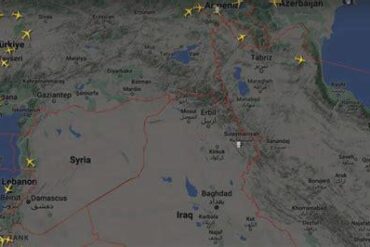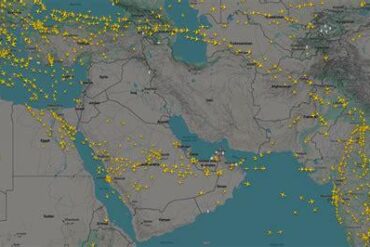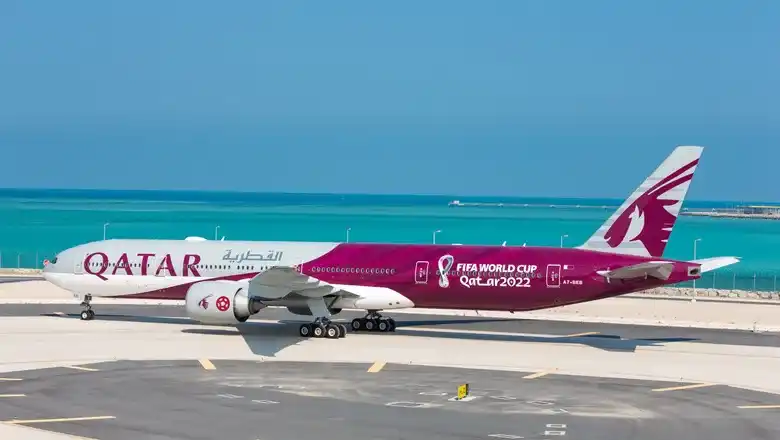
The Middle East is currently experiencing a significant surge in air travel disruptions, leading to widespread cancellations and delays across key airports in the region. This turmoil has emerged following a series of recent US airstrikes targeting Iranian-backed militias in Iraq, alongside escalating missile threats from Iran itself. As geopolitical tensions rise, travelers are facing an environment filled with uncertainty, especially at major transit points in countries like Iraq, Saudi Arabia, and the United Arab Emirates (UAE). The response from aviation authorities has been swift, with organizations such as the Federal Aviation Administration (FAA) and the International Civil Aviation Organization (ICAO) issuing advisories that compel airlines to rethink flight routes over the Middle East, given the heightened risks associated with these developments.
The US military has recently conducted airstrikes aimed at countering Iranian influence within Iraq, a move that has sparked retaliation threats from Iran, including potential missile attacks on US assets in the region. This cycle of aggression has placed the spotlight firmly on the Middle East, prompting governments and international organizations to closely monitor the situation as it unfolds. The safety of aviation operations has become paramount, particularly considering the increased likelihood of missile activity that could jeopardize civilian flights.
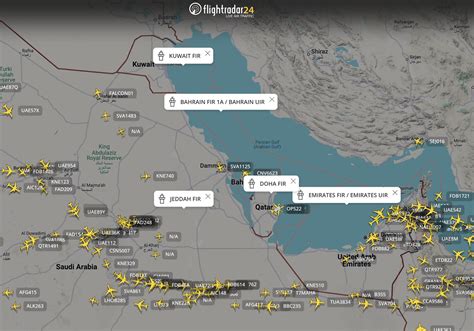
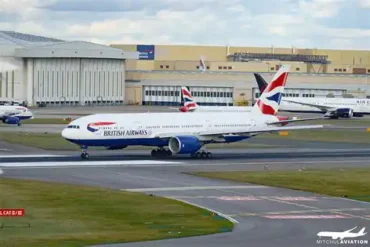
As the risk of missile strikes looms larger, airlines operating in and out of the Middle East have begun to adjust their schedules in response to growing security concerns. The FAA has issued a special notice warning US airlines of the risks involved in flying over specific airspaces that include parts of Iraq, Saudi Arabia, and the UAE. Consequently, many carriers have opted to reroute flights, avoiding particular paths that traverse near conflict zones. This precautionary measure has led to significant disruptions, particularly affecting major international airlines such as British Airways, Lufthansa, and Air France, which have reported numerous service cancellations and diversions. Even regional giants like Emirates and Qatar Airways have found it necessary to make substantial alterations to their flight routes to prioritize the safety of passengers and crews alike. Although these airlines have not entirely suspended operations, frequent delays and diversions have become increasingly common.
The countries most impacted by these disruptions include Iraq, Saudi Arabia, and the UAE. Baghdad International Airport in Iraq has experienced some of the worst disruptions, primarily due to its proximity to US airstrikes and ongoing Iranian retaliation threats. In light of these circumstances, the Iraqi Ministry of Transport has reported that several international airlines have ceased operations to and from the country, with some considering longer-term suspensions of service. Similarly, Saudi Arabia, which is home to several vital international airports like King Khalid International Airport in Riyadh and King Abdulaziz International Airport in Jeddah, is also feeling the brunt of these disturbances. Flight delays have become commonplace, particularly as airspace near the border with Yemen—identified as a high-risk zone for missile threats—has prompted airlines to alter their routes accordingly. Meanwhile, the UAE, with its prominent aviation hub at Dubai International Airport, has not remained unscathed. Although no direct attacks have occurred on UAE soil, the prevailing uncertainty regarding air route safety has led to significant delays in flight schedules.
Governments in the region, in collaboration with international aviation bodies, are working diligently to monitor the evolving situation. Both the FAA and ICAO have revised their advisories in light of the increasing missile threats from Iran. The FAA has specifically prohibited US airlines from flying through certain areas, which include airspace over Iraq and parts of Saudi Arabia. Passengers are being advised to remain vigilant, regularly checking flight statuses as conditions in the region continue to change. Travelers are also being cautioned to prepare for longer processing times at airport security due to heightened alert levels. Furthermore, the US State Department recommends that passengers stay updated on the latest travel advisories and flight schedules to mitigate any unnecessary disruptions. The International Air Transport Association (IATA) is actively collaborating with airlines to ensure thorough risk assessments are conducted prior to departure, and many carriers have implemented enhanced safety protocols, including improved communication with local authorities. Despite these efforts, the need for continuous monitoring remains crucial.
For passengers navigating the complexities of travel in the Middle East, the consequences of these disruptions are stark and immediate. Many travelers find themselves stranded at airports due to unforeseen cancellations or extensive delays. Long queues at check-in counters, combined with limited options for alternative flights, have contributed to frustrating experiences for numerous individuals. Additionally, the uncertainty surrounding the situation has led some travelers to reconsider or even cancel their trips altogether. For those fortunate enough to board flights, the journey has often been anything but straightforward. Rerouted itineraries, added layovers, and unexpected diversions have become the norm in this climate. Passengers are urged to maintain regular communication with their airlines for updates and to anticipate longer wait times at security checks and immigration desks.
Looking ahead, the outlook for air travel in the Middle East remains precarious as tensions continue to escalate. Governments and aviation authorities are committed to monitoring the situation, making necessary adjustments to safety recommendations as new information emerges. While efforts are underway to mitigate disruptions, travelers should be prepared for further changes to flight schedules. The Middle East has long posed unique challenges in terms of aviation safety, and these recent events underscore the critical importance of staying informed. Passengers are encouraged to frequently check official government websites and airline notifications for real-time updates.
In conclusion, the ongoing disruptions to air travel in the Middle East highlight the broader challenges arising from escalating geopolitical tensions in the region. The combination of US airstrikes and Iranian missile threats has profoundly affected the security landscape, directly impacting air travel operations. While the aviation industry strives to adapt to these challenges, passengers must remain informed and ready for changes to their travel plans. Although efforts are being made to safeguard air travel, the situation remains fluid, and additional disruptions are likely. Travelers are advised to keep abreast of official government and airline updates to navigate this turbulent period effectively.