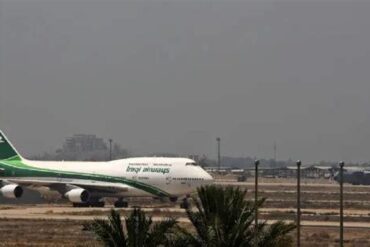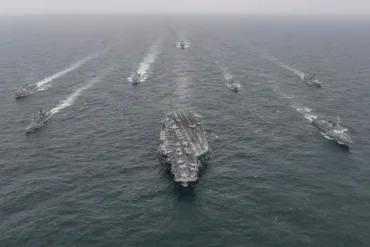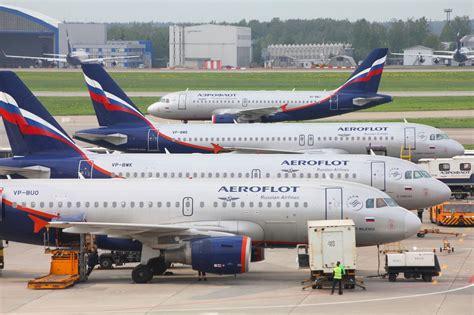
The global aviation industry is facing a crisis of unprecedented proportions. In the wake of U.S. military strikes on Iran, the airspace over the Middle East has transformed into a perilous no-fly zone. This dramatic escalation in hostilities has forced major airlines to avoid critical air corridors that were once vital for international travel, leading to significant disruptions in flight schedules and soaring costs for travelers.
The ripple effects of these strikes are being felt far beyond the immediate region. Commercial aviation has been thrown into disarray, with carriers scrambling to reroute flights around an increasingly volatile landscape. Missile and drone attacks have prompted a blanket avoidance of airspace across Iran, Iraq, Syria, and Israel. This is not a mere temporary inconvenience; it represents a seismic shift in how airlines must operate, shaking the very foundation of international travel in and around the Middle East.
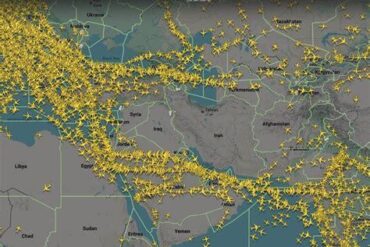
Airlines are adopting new strategies to navigate this crisis. Many have opted for longer, more expensive routes that circumvent the Middle East entirely, swinging north via the Caspian Sea or south through Egypt and Saudi Arabia. While these changes are necessary for safety, they come at a steep price. Increased fuel consumption, heightened crew demands, and chaotic flight schedules are straining airline operations. FlightRadar24 has confirmed that commercial aviation has been extensively rerouted since the imposition of new airspace restrictions. The skies over Iran, Iraq, Syria, and Israel, once bustling with activity, are now eerily quiet, as airlines prioritize the safety of their passengers and crew.
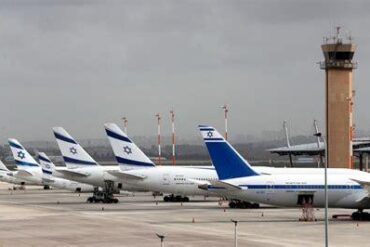
The situation on the ground is just as dire. With Israel’s airspace officially closed, all commercial and rescue flights have been halted, leaving thousands of passengers stranded and uncertain about their travel plans. Major Israeli airlines, including El Al and Arkia, have suspended services until further notice, creating a humanitarian challenge as travelers find themselves trapped in a hostile environment.
Governments worldwide are responding with urgency. Countries such as Japan and New Zealand have initiated evacuation plans for their nationals in the region. Japan successfully evacuated citizens from Iran to Azerbaijan, while New Zealand deployed a C-130 Hercules military transport plane to facilitate further evacuations if necessary. These coordinated efforts underscore the seriousness of the crisis, which extends well beyond regional travel issues. It has become a full-scale international response to escalating geopolitical tensions.
As a result of these developments, the tourism industry is experiencing a catastrophic downturn. Demand for travel to countries like Iran, Israel, and Syria has plummeted, with hotels reporting mass cancellations and tour operators facing unprecedented losses. Even neighboring markets such as Turkey, Jordan, and the UAE are feeling the impact. The closure of airspace has resulted in airport congestion and overbooked accommodations, as these countries attempt to manage the influx of diverted traffic. The United Arab Emirates has activated an emergency airport plan to accommodate the overflow and assist affected travelers, but the situation remains fluid and challenging.
The economic fallout from these disruptions is staggering. Airlines are grappling with soaring operational costs due to longer flight paths and the need to reposition displaced crews. As these additional expenses mount, many carriers may be compelled to increase ticket prices or reduce the frequency of flights to long-haul destinations in the Asia-Pacific region. The shutdown of strategic air corridors is also reshaping global aviation logistics, putting immense pressure on key transit hubs such as Doha, Dubai, and Istanbul, which are now struggling to manage overflow traffic.
Travelers are naturally anxious about the current state of affairs. Bookings for vacations in the region have all but dried up, and even transit flights through nearby countries are being reconsidered. Insurance premiums for flights traversing affected regions have surged, prompting many companies to revise corporate travel policies to avoid high-risk zones altogether. Travel advisories are now in effect for multiple countries, urging caution or outright discouraging non-essential travel.
As the world holds its breath, hoping for a de-escalation of tensions, the travel industry braces for a prolonged period of instability. The U.S. strikes on Iran have opened a volatile chapter in Middle Eastern geopolitics, and unless diplomatic breakthroughs occur soon, airlines and governments may have to prepare for sustained airspace shutdowns lasting weeks or even months. Travelers are advised to stay informed by frequently checking airline updates and monitoring government advisories, as cancellations and extended layovers become increasingly common. The emotional toll of this crisis is palpable, with families separated, vacations ruined, and business travel plans thrown into chaos. This ongoing situation transcends mere rerouted flights; it encompasses disrupted lives, crumbling travel economies, and a global industry that remains on edge as the implications of these events continue to unfold.