The Middle East air travel network is facing an unprecedented collapse as major global airlines, including United Airlines, Emirates, American Airlines, British Airways, Wizz Air, and flydubai, grapple with a massive operational breakdown rooted in escalating regional tensions. With Iran-Israel hostilities intensifying, the United Arab Emirates (UAE)—a crucial hub between East and West—is at the epicenter of the aviation shockwave. Flights are vanishing from schedules, passengers are being stranded, and real-time updates are reshaping travel plans hour by hour.
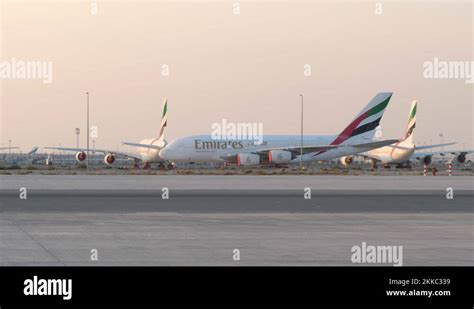
UAE Airports Buckle Under Pressure As Crisis Escalates
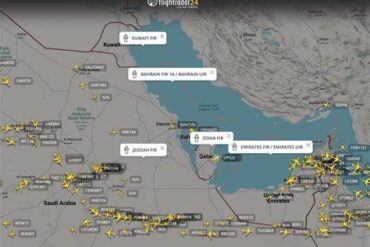
The airports of Dubai, Abu Dhabi, and Sharjah—typically efficient and among the busiest globally—are now operating in survival mode. As airspace over Iran, Iraq, Syria, and Israel becomes increasingly restricted or designated unsafe, commercial corridors are collapsing, forcing airlines to reroute, cancel, or indefinitely suspend key services.
Emirates Airlines, renowned for its resilience, has been compelled to suspend flights to Amman, Beirut, Tehran, Baghdad, and Basra. The extent of these disruptions is sweeping, with suspensions expected to last through late June 2025, possibly longer. flydubai, a vital link for budget-conscious travelers in the region, has halted operations to Syria, Iran, Iraq, Israel, and parts of Lebanon, with passengers being denied boarding even at original points of departure.
Shockwaves Beyond the Gulf: International Airlines Retreat
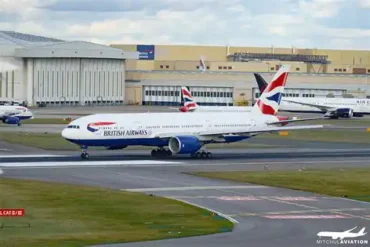
The domino effect is global. United Airlines has paused all flights to Dubai, citing unacceptable airspace risk. British Airways, Air France-KLM, Finnair, and Air Canada have followed suit, either cancelling specific routes or scaling back operations drastically. These moves underscore the seriousness of the regional instability—not just as a security concern, but as an existential threat to seamless global connectivity.
Wizz Air, a key player in low-cost European and Middle Eastern travel, has suspended all services to Tel Aviv and Amman until September 15. The airline is actively rerouting aircraft to avoid critical airspaces, which not only affects passengers but also imposes operational costs and logistical chaos on carriers already struggling with post-pandemic recovery.
Etihad, Emirates, Air Arabia: Regional Giants Adjust Routes
Etihad Airways, based in Abu Dhabi, has acted swiftly. All flights to Tel Aviv have been suspended until the end of June, while services to Beirut are being rescheduled. Flights to Tokyo are delayed—not due to weather or mechanical issues, but because the safe corridors through which these flights normally pass are now blocked.
Air Arabia, another UAE-based low-cost carrier, has also suspended operations to destinations deemed high risk. This includes not only war zones but cities adjacent to active conflict areas. Airline spokespersons have emphasized that these moves are in response to real-time intelligence and international aviation advisories.
Travelers Left in Limbo: Confusion and Uncertainty Reign
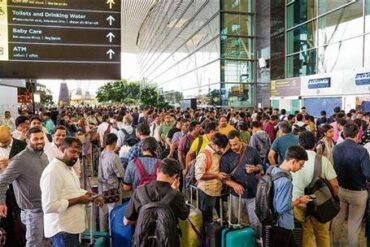
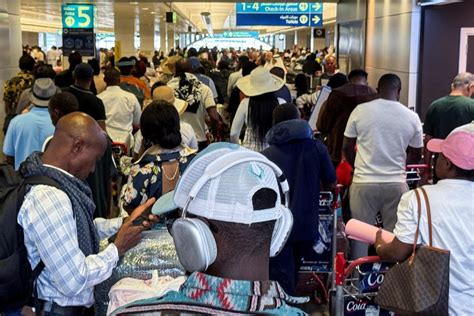
For passengers, the crisis has turned travel into a gamble. Unaware of the scale of the disruption until they arrive at terminals, many are now stranded without clear answers. Airlines, although issuing advisories, are struggling to manage the massive surge in customer queries, with long wait times, vague refund policies, and limited rebooking options becoming the norm.
Some travelers report arriving at the airport only to be turned away without notice. Others are unsure whether to cancel or wait—torn between hoping for rescheduled flights or fearing non-refundable costs. Airlines are urging travelers to wait for official cancellation notices before taking action, as this ensures eligibility for refunds or travel credits.
Economic and Tourism Fallout Spreads Across the Region
The timing of the disruption could not be worse. With summer peak travel season underway, thousands of residents and international tourists had planned vacations, family reunions, and business trips through UAE airports. Now, hotel reservations are being canceled, tour groups rerouted, and local tour operators overwhelmed by refund demands and itinerary changes.
The UAE’s status as a global air transit hub is being tested like never before. Tourism bodies across Dubai, Abu Dhabi, and even Qatar are bracing for economic ripple effects, especially from Europe and North America, where advisories are urging caution for Middle East-bound travel.
Airline Response: Scrutiny and High Stakes
Airlines are facing rising public scrutiny—not only for operational decisions but for the clarity, timeliness, and empathy of their communication. Some have earned praise for proactive updates and flexible policies. Others have drawn criticism for confusing messaging and inadequate support.
In a digital age where passenger experiences spread instantly, airlines know that missteps now will have brand and loyalty consequences long after the skies clear. The aviation industry is not only managing logistics, but navigating a reputational crisis in tandem.
The Strategic Cost of Rerouting and Airspace Closures
Beyond passenger inconvenience, airlines are grappling with significant strategic challenges. Alternative routes around conflict zones often involve longer flight paths, higher fuel consumption, and logistical complexity. This may lead to increased ticket prices, schedule reductions, and even capacity limits for certain regions.
Major carriers are reassessing flight plans for the next quarter, pausing expansion into the Gulf, and reconsidering interline agreements and codeshares that depend on Middle Eastern gateways. The consequences could reshape international aviation corridors for years to come.
Government Coordination and Security Surveillance Intensifies
National aviation authorities across the UAE, Saudi Arabia, Jordan, Bahrain, and Qatar are now in close coordination with air defense and intelligence agencies to monitor the threat landscape. NOTAMs (Notices to Airmen) are being updated in real time. Realignment of commercial and military flight corridors is underway.
Global aviation agencies, including the International Civil Aviation Organization (ICAO) and EASA, are issuing alerts and advising member states on best practices amid heightened geopolitical risk.
Looking Ahead: A Turbulent Summer for Middle East Aviation
The outlook for summer 2025 is increasingly volatile. While some airlines are optimistic that routes could reopen by mid-July, many acknowledge that airspace stability hinges on political resolution—something that remains elusive.
Passengers planning travel through the region in the coming weeks are advised to:
- Monitor official airline channels for real-time updates
- Avoid booking transit through restricted areas
- Ensure travel insurance includes disruption clauses
- Remain flexible with dates and connections
The region’s aviation industry, though resilient, is now bracing for a potential long-term transformation. With security tensions unlikely to resolve quickly, the model of hub-and-spoke connectivity through the Gulf may face a period of redefinition.
For now, the only certainty is uncertainty. And for travelers eyeing the Middle East, flexibility is no longer a luxury—it’s a requirement.