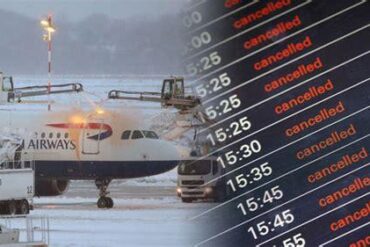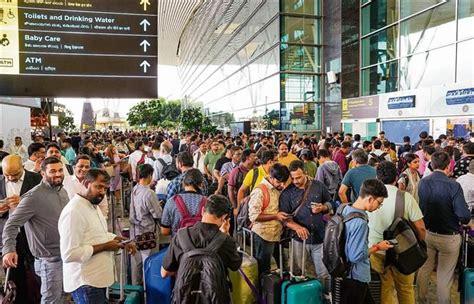
Around two hundred eighty flights were cancelled or significantly delayed across Canada on Monday as powerful windstorms battered key transport hubs, unleashing operational turmoil across Toronto Pearson, Montreal-Trudeau, and Edmonton International Airports. The sweeping disruptions impacted both domestic and international airlines, grounding aircraft, halting baggage operations, and stranding thousands of passengers amid cascading delays and cancellations.
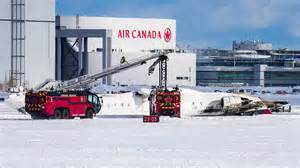
Toronto Pearson International Airport Becomes Epicentre of Flight Disruptions
Toronto Pearson International Airport, Canada’s busiest aviation gateway, absorbed the heaviest blow from Monday’s fierce weather onslaught. Throughout the day, a staggering 169 flights were delayed and 12 were cancelled, with operational paralysis spreading across the tarmac as gusts of wind disrupted runway movements, reduced visibility, and forced ground crews to suspend handling activities.
Air Canada, the nation’s flagship carrier, faced severe disruption, with 61 flights delayed and 3 cancellations, leaving passengers scrambling to rearrange itineraries. Regional operator Jazz Aviation experienced 34 delays and 5 cancellations, while Porter Airlines was forced to axe 4 flights and delay another 9. Despite extensive disruptions, WestJet, Canada’s second-largest airline, managed to avoid cancellations but still saw 13 flights delayed.
International carriers were not spared. Lufthansa reported delays in 75% of its scheduled departures from Toronto, while airlines like Emirates, Air India, Cathay Pacific, and Delta Air Lines suffered significant operational slowdowns, with some reporting delay rates approaching 100%. The domino effect triggered widespread gridlock within Pearson’s terminals, affecting both outbound and connecting flights.
Montreal-Trudeau Airport Grapples with Regional and Global Delays
Meanwhile, in eastern Canada, Montreal-Trudeau International Airport struggled with high winds that wreaked havoc on both regional and international schedules. A total of 75 flights were delayed, while 8 flights were cancelled due to challenging departure conditions and approach restrictions.
Jazz Aviation, heavily reliant on regional feeder flights, endured 20 delays and 7 cancellations, crippling connectivity to smaller markets across Quebec and Atlantic Canada. PAL Airlines, another regional player, cancelled one flight, while Air Canada logged 15 delays, compounding the disruptions.
Long-haul operators also experienced significant setbacks. Air France, Qatar Airways, Swiss, and TAP Air Portugal all reported delays on up to 50% of their scheduled services, while Tunis Air saw its entire departure schedule delayed. Major carriers like Emirates and Lufthansa struggled to maintain operations, with two-thirds of their flights from Montreal affected, straining transatlantic connections to Europe and the Middle East.
WestJet, Air Transat, and United Airlines were among other carriers hit by the turbulent conditions, further straining Montreal’s congested departure gates.
Edmonton International Airport Feels Impact of Strong Winds
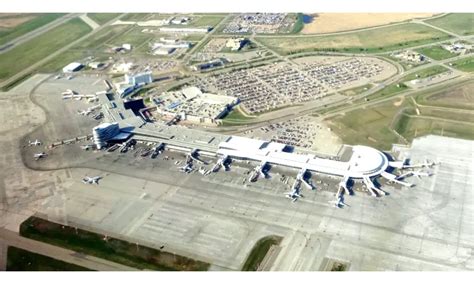
In western Canada, Edmonton International Airport faced its share of disruption, though on a relatively smaller scale. Wind gusts led to 16 flight delays and 5 cancellations, with regional and short-haul operations bearing the brunt.
WestJet Encore, the regional subsidiary of WestJet, experienced 6 delayed flights and 2 cancellations, while Porter Airlines scrapped 2 flights. Jazz Aviation recorded 3 delays and 1 cancellation, with Air Canada and WestJet both facing additional delays. Smaller carriers like Central Mountain Air also reported isolated slowdowns.
Though Edmonton’s disruption figures were lower than those in Toronto or Montreal, the ripple effects were immediately felt, particularly by passengers relying on connecting services across Canada’s vast domestic network.
Nationwide Fallout and Widespread Passenger Frustration
In total, the severe weather system led to 285 flight disruptions across Canada’s major airports, comprising 260 delays and 25 outright cancellations. The pattern emerging from the chaos pointed to smaller regional airlines absorbing more cancellations, while international operators primarily contended with concentrated delays.
Safety remained the overriding concern throughout Monday’s disruptions. Aviation officials cited dangerous wind shear, reduced visibility, and crosswind limits exceeding safe operational thresholds as key reasons for grounding aircraft and delaying departures. Runway management teams were forced to implement holding patterns and even divert inbound flights to alternative airports in some instances.
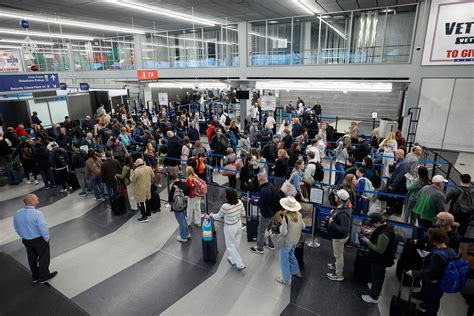
On the ground, the fallout was immediate and chaotic. Passengers flooded customer service counters in search of alternative flights, with many international travelers reporting wait times of up to four hours to rebook missed connections. Travelers bound for Europe, Asia, and beyond via Lufthansa, Emirates, Cathay Pacific, and Air India faced especially limited rebooking options, as summer schedules remained at capacity.
Airlines Struggle to Manage Backlogs and Communication Gaps
The operational breakdown exposed underlying vulnerabilities in airlines’ crisis response capabilities. Domestic travelers across Toronto, Montreal, and Edmonton took to social media, voicing frustration over delayed communications, unclear rebooking procedures, and missed personal or business commitments.
In response, both Air Canada and WestJet issued public statements offering flexible rebooking options and limited compensation vouchers. However, passengers expressed concerns about overwhelmed customer service channels and scarce alternative flight availability, particularly for transcontinental and transatlantic routes.
Meteorological Uncertainty Looms Over Recovery Efforts
As of Tuesday morning, the weather outlook remained unpredictable, with Environment Canada warning of persistent high winds in central and eastern Canada through midweek. Airlines have since issued updated travel advisories, urging passengers to monitor flight statuses closely and arrive early at affected airports.
Authorities at Toronto Pearson, Montreal-Trudeau, and Edmonton International are coordinating with airline ground teams to clear the operational backlog. Despite these efforts, officials caution that the knock-on effects from Monday’s mass disruptions could spill into the coming days, especially as Canada enters its peak summer travel season, when passenger volumes surge and schedules tighten.
For now, travelers passing through Canada’s largest airports are advised to exercise patience, remain flexible with itineraries, and prepare for potential further delays as the aviation sector grapples with one of its most significant weather-induced operational breakdowns in recent months.
Broader Implications for Canada’s Air Travel Infrastructure
The mass flight disruptions have reignited discussions around Canada’s air travel resilience, particularly in the face of increasingly erratic weather patterns. Experts point to the need for improved weather forecasting integration, enhanced ground operations coordination, and greater emphasis on passenger communication tools to manage future incidents effectively.
Airlines operating across Canada’s vast geographic expanse must also contend with the logistical complexities of rerouting aircraft, repositioning crews, and accommodating passengers during cascading delays, especially when regional airports lack the capacity to absorb unexpected surges in stranded travelers.
While authorities work to stabilize the situation, Monday’s events serve as a stark reminder of how vulnerable modern air travel remains to natural forces—and the critical need for proactive planning as climate-driven weather volatility intensifies.