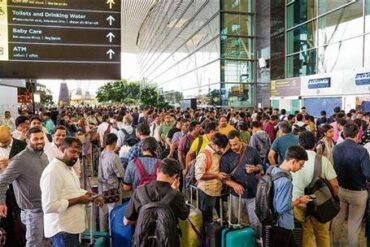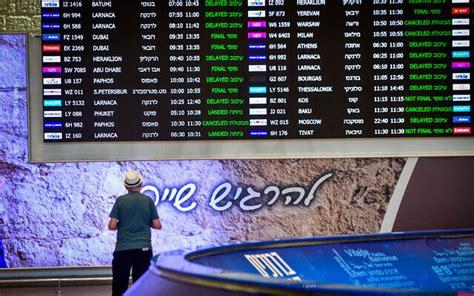
As an intensifying wave of geopolitical instability and logistical breakdowns sweeps across parts of the Middle East, air travel across four of the region’s most critical transit hubs—Ben Gurion (Israel), Dubai International Airport (UAE), Hamad International Airport (Qatar), and Istanbul Airport (Turkey)—has ground to a halt. Over 500 flights have been either cancelled or severely delayed in under 48 hours, disrupting international connections across Asia, Europe, and the Americas.
The chaos has sent ripple effects across the global aviation industry, involving major carriers including Delta Air Lines, United Airlines, Emirates, Qatar Airways, Saudia, Air India, and Lufthansa, with grounded aircraft, displaced crew, and stranded passengers dominating the scenes.
Unfolding Crisis at Ben Gurion Airport: A National Security Flashpoint
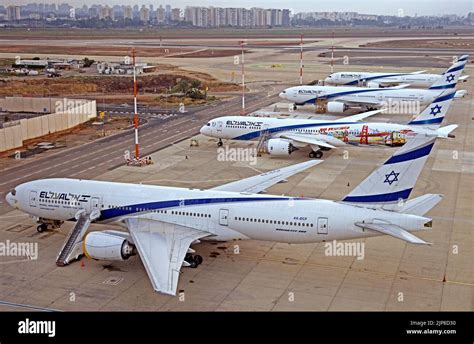
The situation at Ben Gurion International Airport outside Tel Aviv escalated rapidly following a sudden flare-up in regional security tensions. With airspace closures intermittently enforced, at least 132 commercial departures and arrivals were either canceled outright or subject to significant rerouting.
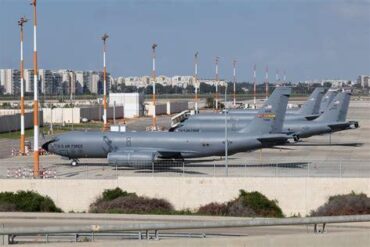
United Airlines, which operates nonstop flights from Tel Aviv to New York and Newark, was among the first to ground its routes. Delta Air Lines and Lufthansa soon followed, citing an “elevated risk level” and the need to ensure crew and aircraft safety. The Israel Airports Authority confirmed the temporary diversion of international traffic to Ramon Airport near Eilat, but limited capacity and infrastructure have rendered this relief valve largely ineffective.
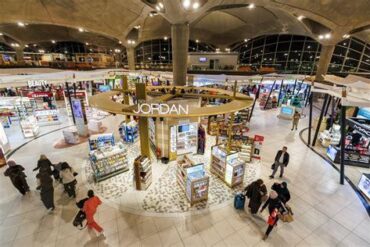
Security personnel at Ben Gurion increased alert levels, and the terminal halls—normally bustling with travelers—turned into holding zones for confused and frustrated passengers, many of whom reported receiving conflicting information from airline staff and mobile apps.
Dubai Airport Disruptions: System Overload and Backlog
In the United Arab Emirates, Dubai International Airport, the world’s busiest airport for international traffic, witnessed a cascade of failures caused by air traffic congestion, weather-related visibility issues, and diversion overloads.
While Emirates Airlines attempted to maintain continuity with contingency crew schedules and overnight accommodations for transit passengers, the sheer volume of diverted aircraft from neighboring countries overwhelmed the airport’s available apron space.
Runway occupancy times doubled, and immigration lines stretched for hours, particularly for incoming passengers from delayed Saudia and Air India flights. Flight delays averaged over six hours, with at least 97 scheduled flights affected in less than a day. Some passengers complained of being left without food or lodging vouchers, igniting a backlash across social media platforms.
Hamad International Airport: Qatar’s Bottleneck Under Pressure
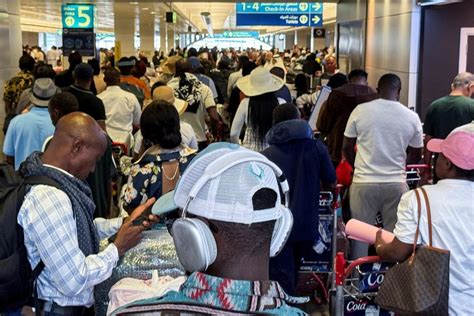
Doha’s Hamad International Airport, usually known for its efficiency, found itself jammed with diverted aircraft and overbooked lounges, as Qatar Airways’ regional partnerships backfired under crisis conditions. Incoming flights from Pakistan, India, and Sri Lanka were temporarily suspended to clear up apron congestion, and American and European-bound passengers faced extended layovers, many without adequate communication or onward travel certainty.
Qatar Airways, despite its international prestige, struggled to reroute its North American network. Multiple Chicago, Washington D.C., and Dallas-bound flights were suspended or rebooked for 36 to 72 hours later, creating confusion among business-class and economy travelers alike.
Istanbul Airport: Political Tensions Compound Logistical Nightmares
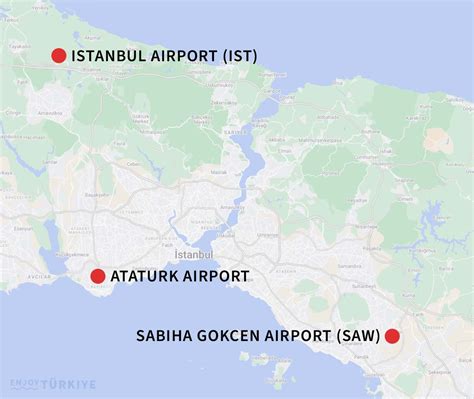
At Istanbul Airport, the crisis was both logistical and political. Following controversial remarks made by Turkish government officials regarding ongoing regional conflicts, airspace restrictions from neighboring countries began to ripple across Istanbul’s operations.
While Turkish Airlines tried to absorb the excess with its vast intercontinental network, the airport itself struggled with gate reassignments, aircraft turnaround delays, and fueling logistics. Several Delta and Air India codeshare flights with Turkish Airlines were caught in the crossfire, with passengers left waiting on the tarmac for upwards of three hours due to crew legal duty hour limitations.
Airline Response: Warnings, Waivers, and Widespread Frustration
Across the board, airlines are issuing waivers for change fees, but that has done little to calm the outrage. Delta Air Lines offered full refunds for affected flights to Tel Aviv and Doha, while United Airlines expanded its customer flexibility policies through June 18. Qatar Airways issued a 72-hour rebooking grace period for North American passengers caught in Doha.
However, passengers complain that on-the-ground implementation is chaotic. Many customer service desks were either closed or overwhelmed, forcing travelers to seek help via mobile apps or social media, often with inconsistent results. The lack of centralized coordination between airport authorities and airline carriers has only worsened the disarray.
Ripple Effects in Europe and America: A Fragile Network
The cascading delays and cancellations have extended far beyond the Middle East. Frankfurt, Heathrow, and Charles de Gaulle airports all reported missed transfer connections for passengers traveling via Tel Aviv, Doha, or Dubai.
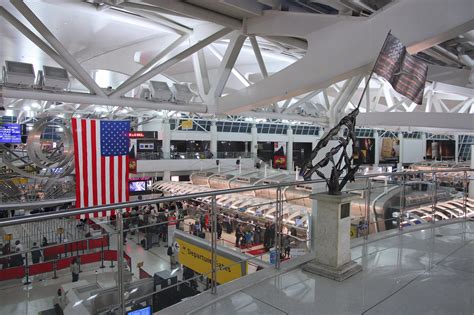
In the U.S., Chicago O’Hare, Newark, JFK, and Atlanta Hartsfield-Jackson experienced a backlog of international arrivals, many arriving without their luggage. A senior operations manager at Hartsfield-Jackson described the situation as “a rolling thunderstorm of missed connections, rebookings, and tired travelers with nowhere to go.”
Security Implications and Airspace Politics
Part of the difficulty in restoring normalcy lies in the fluid security environment across the region. With no-fly zones, dynamic air corridor restrictions, and last-minute policy changes, airlines have found it impossible to maintain predictable routing.
The FAA, EASA, and other civil aviation authorities have updated guidance on Middle Eastern overflights, but conflicting country-specific rules have meant re-routing via longer, fuel-intensive paths, stretching airline resources and schedules thin.
Additionally, military activity near conflict flashpoints has forced Emirates and Saudia to fly lower altitudes, increasing turbulence and fuel burn while extending flight times. These small but accumulating changes have severely stressed crew rotations and aircraft availability.
Passenger Rights and Regulatory Silence
While EU Regulation 261/2004 guarantees compensation for delays and cancellations, its applicability in Middle Eastern airports—particularly those outside European jurisdiction—remains legally ambiguous. Many travelers have been told by airlines that compensation claims cannot be processed under “extraordinary circumstances.”
Passenger advocacy groups are already calling on IATA and ICAO to draft emergency protection frameworks for mass disruption scenarios outside traditional legal boundaries. Meanwhile, thousands remain in limbo, with no clarity on when or how they will reach their destinations.
Conclusion: Aviation Infrastructure Faces a Crucial Test
The unfolding crisis has revealed just how fragile and interdependent global air travel truly is. Even as modern airports like Dubai, Doha, Istanbul, and Tel Aviv boast cutting-edge architecture and high-volume capacity, they are not immune to geopolitical or meteorological instability.
Until regional tensions de-escalate, and logistics chains stabilize, travelers and airline operators must prepare for an extended period of unreliability. The ultimate takeaway? Despite decades of innovation, the aviation industry remains at the mercy of forces beyond its control, and this latest episode is a stark reminder that when one node in the system collapses, the entire global network trembles.