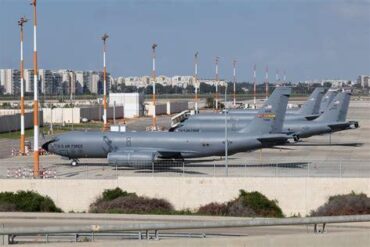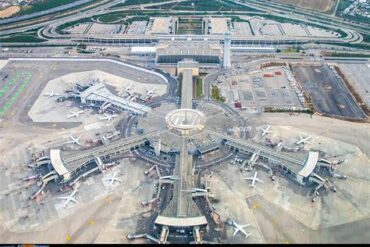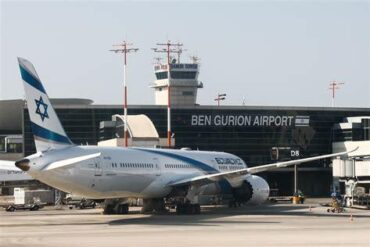
The recent Israeli military strike on Iran has triggered widespread travel chaos, causing significant disruptions at key airports and stranding thousands of passengers across the region. As tensions escalate in the Middle East, the aviation sector faces an unprecedented wave of delays and cancellations, with Ben Gurion Airport in Tel Aviv and Imam Khomeini International Airport in Tehran emerging as critical flashpoints in this unfolding crisis.
Impact on International Airlines
Multiple major airlines have been forced to suspend or reroute flights, citing security concerns and airspace restrictions. Emirates, Lufthansa, Air France, United Airlines, Delta Air Lines, and several other global carriers have announced temporary suspensions of services to and from Israel and Iran. The move has affected not only direct routes but also vital connecting flights through key hubs in Europe and the Gulf.
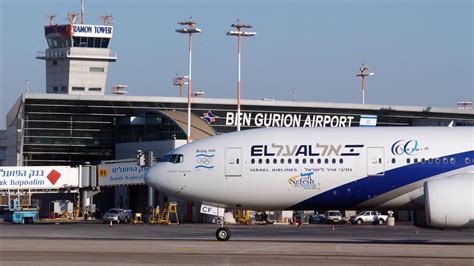
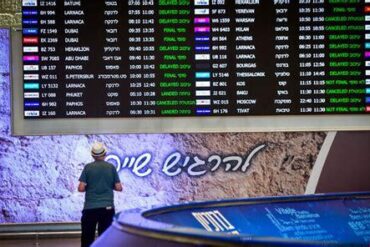
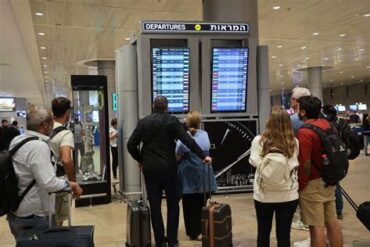
Passengers at Ben Gurion Airport faced long queues, confusion, and uncertainty as flight information boards displayed a growing list of cancelled and delayed flights. Similarly, at Imam Khomeini Airport, heightened security measures and operational limitations resulted in substantial backlogs, with many travelers stranded for hours or forced to seek alternative routes through neighboring countries.
Ripple Effects Across Global Air Travel
The Middle East’s strategic location as a crossroads for global aviation means that the disruption extends far beyond Israel and Iran. Airlines operating long-haul services between Europe, Asia, and Africa have had to adjust flight paths to avoid the affected airspace, resulting in longer journey times, increased fuel costs, and logistical complications.
United and Delta, both key players in transatlantic and regional travel, are among the carriers most impacted. Their recent efforts to bolster regional connectivity through innovative fleet updates, including the introduction of CRJ550 aircraft, have been overshadowed by the immediate need to ensure passenger safety and operational continuity in light of the geopolitical developments.
Airline Responses and Passenger Challenges
In statements released over the last 24 hours, airline officials emphasized that passenger safety remains the top priority. Emirates announced that all flights to Tel Aviv and Tehran would be suspended until further notice, advising customers to check for updates on rebooking options. Lufthansa and Air France implemented similar measures, offering full refunds or flexible rebooking for affected passengers.
United Airlines, grappling with rerouting complexities, highlighted that their teams were working around the clock to minimize inconvenience. Delta also confirmed that their flights operating in proximity to the conflict zones would be rerouted or delayed as necessary. The uncertainty has left passengers frustrated, with many struggling to find accommodation or alternative travel arrangements amid soaring demand and limited availability.

Security Concerns and Airspace Closures
Both Israel and Iran swiftly moved to restrict airspace in the wake of the military strike. The Israeli Civil Aviation Authority issued a notice to airmen (NOTAM) restricting operations over large swathes of the country’s airspace, while Iranian authorities implemented similar measures to secure sensitive regions. These actions have created significant challenges for airlines attempting to navigate the region safely.
Security analysts warn that the situation remains fluid, with the potential for further strikes or retaliatory actions that could exacerbate the disruption. The U.S. Federal Aviation Administration (FAA) has also issued advisories, cautioning American carriers about operating in or near the affected airspace.
Economic and Operational Implications
The immediate financial impact on airlines is considerable, with losses mounting from cancelled flights, rebooking costs, and operational delays. Airports in Israel and Iran, already contending with strained resources, face additional pressure as they manage the logistical fallout of the crisis. Tourism sectors in both countries, heavily reliant on international visitors, are bracing for a sharp downturn in arrivals.
Fuel costs are also on the rise as airlines are forced to take longer routes to avoid conflict zones. The ripple effect on cargo operations is significant, with freight carriers reporting delays in shipments of critical goods, including medical supplies and perishables.
Passengers Struggle Amid Limited Options
For travelers, the situation has created unprecedented levels of disruption. Many international visitors to Israel and Iran have found themselves trapped, with few viable alternatives for immediate departure. Regional airports in Jordan, Cyprus, and the UAE have reported a surge in demand as passengers seek to reroute their journeys. Ground transport options are limited, and border crossings are under increased scrutiny amid heightened security alerts.
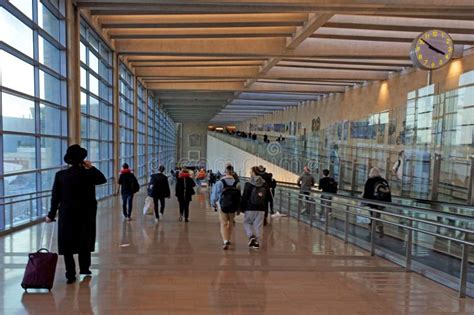
Social media platforms are awash with accounts of stranded travelers, with reports of overnight stays on terminal floors, scarce food and water supplies, and mounting anxiety over the possibility of further escalation.
Governments and Industry Bodies Respond
Governments around the world are advising their citizens to exercise extreme caution and reconsider non-essential travel to the region. The U.S. State Department, the UK Foreign Office, and several EU member states have updated their travel advisories, urging nationals to avoid affected areas and maintain contact with their embassies.
The International Air Transport Association (IATA) has called for close coordination between governments, military authorities, and airlines to ensure the safe resumption of services as soon as conditions allow. IATA’s director general underscored the importance of safeguarding civilian aviation while diplomatic efforts work toward de-escalation.
Looking Ahead: The Path to Recovery
The timeline for restoring normal flight operations remains uncertain. Much depends on the broader geopolitical situation and the ability of diplomatic channels to achieve a ceasefire or reduce hostilities. Airlines are preparing contingency plans, including potential use of alternative hubs, wet leasing of additional aircraft, and enhanced customer support measures to address the backlog of affected passengers.
Industry experts note that the longer the disruption persists, the greater the damage to airline finances, regional tourism, and the confidence of travelers in the safety and reliability of air services to and from the Middle East. The crisis underscores the vulnerability of global aviation to geopolitical shocks and the need for robust risk management strategies.
In the meantime, passengers are advised to stay informed through official airline channels and government advisories, and to exercise patience as the situation continues to evolve.