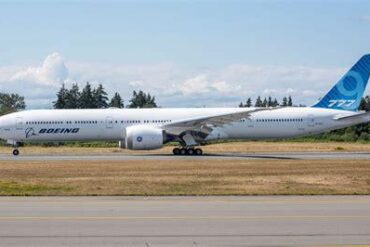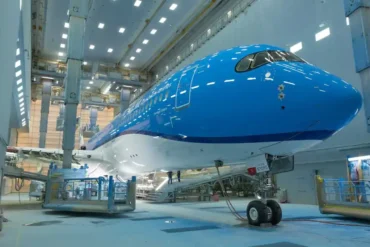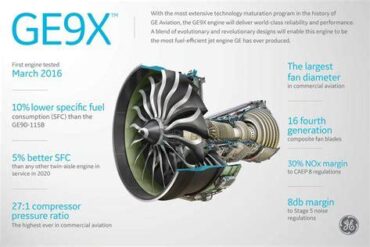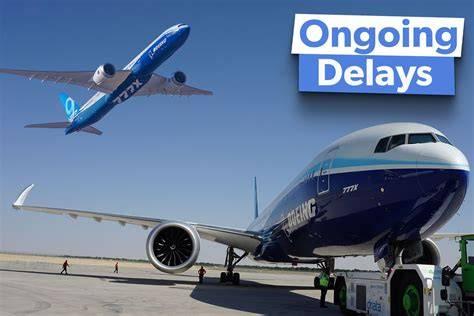
The Boeing 777-9 was designed to become the world’s most advanced long-range passenger aircraft, combining the efficiency of next-generation composite structures with the capacity of a large twin-engine widebody. However, a seven-year certification delay has created an unprecedented problem: dozens of aircraft that were already assembled, painted, and prepared for customers have become financially unattractive before carrying a single passenger.
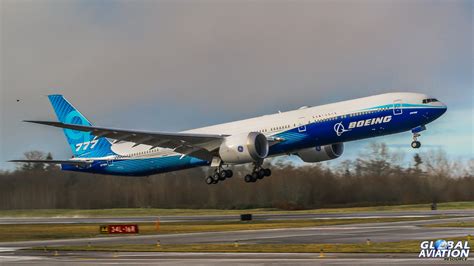
At first glance, the situation appears almost impossible to understand. Commercial aircraft typically represent hundreds of millions of dollars in investment, and airlines spend years waiting for delivery positions. Yet Boeing now faces a scenario where approximately 30 early-production Boeing 777-9 aircraft sitting in storage may require more money to modify than they are worth.
The problem is not that these aircraft suffered catastrophic damage or became technologically irrelevant overnight. Instead, they were victims of an industrial strategy that depended on a faster certification timeline. Boeing built aircraft ahead of final approval to accelerate deliveries, but regulatory changes, engineering revisions, and prolonged testing transformed those completed jets into expensive unfinished products.
The 777X crisis represents a major shift in how modern aircraft manufacturers approach development. In previous decades, building customer aircraft before final certification was considered a reasonable method to reduce delivery delays. Today, increasingly complex aircraft systems and stricter regulatory oversight have turned that strategy into a financial gamble.
The Boeing 777-9 Production Strategy That Backfired
When Boeing launched the 777X program in 2013, expectations were extremely high. The aircraft family was intended to replace aging four-engine aircraft and compete directly with the largest Airbus widebodies. The flagship 777-9 variant featured a stretched fuselage, folding wingtips, composite wings, advanced engines, and improved fuel efficiency compared with earlier 777 models.
Boeing planned for the first production aircraft to enter airline service around 2020. To support this schedule, the company began manufacturing early airframes before completing every stage of certification. This approach allowed production facilities at Everett, Washington, to prepare aircraft while engineers and test pilots continued validating the design.
Under normal circumstances, this strategy can work. Manufacturers frequently make minor modifications to early aircraft after flight testing reveals improvements or regulatory requirements. Small changes to wiring, software, or cabin systems can usually be incorporated without major disruption.
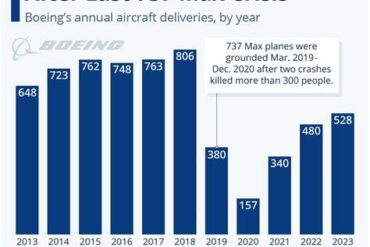
However, the 777X encountered a much more complicated certification environment. Following the Boeing 737 MAX crisis, aviation regulators dramatically increased scrutiny over aircraft certification processes. The Federal Aviation Administration (FAA) demanded additional reviews of flight control systems, software interactions, structural calculations, and manufacturing procedures.
The result was a moving target. Aircraft built in 2019 and 2020 were based on engineering standards that no longer perfectly matched the final certified configuration expected years later.
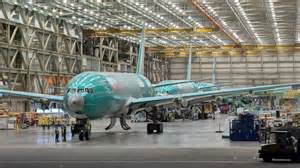
Instead of receiving minor updates, some early aircraft required extensive structural and systems modifications. The difference between an early production aircraft and a final certified aircraft became so significant that Boeing faced a difficult economic calculation: whether repairing existing aircraft made financial sense compared with building new ones.
Why Completed Boeing 777-9 Aircraft Became Financially Obsolete
An aircraft being physically complete does not necessarily mean it is commercially valuable. Modern airliners depend on thousands of engineering decisions being finalized before they can enter passenger service.
The early Boeing 777-9 aircraft stored at Paine Field represent a unique category of aviation asset. They are not prototypes, but they are also not fully certified production aircraft. They occupy an uncomfortable middle ground where they contain expensive components but lack the configuration airlines actually want.
The largest issue is the cost of change incorporation. Unlike a factory-new aircraft moving through an assembly line, a completed aircraft must be partially dismantled to receive major modifications.
Technicians may need to remove cabin structures, open sealed sections of the fuselage, access internal wiring routes, modify structural components, and reinstall systems that were originally designed to remain untouched after production.
This process is extremely expensive because aircraft assembly is optimized for forward production, not reverse engineering. A new aircraft moves through a carefully planned sequence where workers have easy access to every component. A stored aircraft requiring modification forces engineers to work around completed structures.
The economics quickly become unfavorable.
A newly manufactured 777-9 benefits from modern production efficiency, updated engineering drawings, and standardized parts. A stored aircraft requires additional labor, special inspection procedures, and customized engineering solutions. In some cases, modifying an older airframe can cost more than producing a new one.
The Hidden Cost of Seven Years Sitting on the Ground
Aircraft storage is not as simple as parking an airplane and waiting for delivery. A modern widebody aircraft requires constant preservation activities when it remains inactive for extended periods.
The early 777-9 aircraft stored at Paine Field have spent years exposed to the Pacific Northwest environment. Although Boeing uses preservation procedures, long-term outdoor storage introduces additional maintenance requirements.
Engines must be protected and periodically maintained. Systems require inspection. Components may need replacement because they have aged while unused. Engineers must verify that every aircraft still meets updated standards before returning it to operational status.
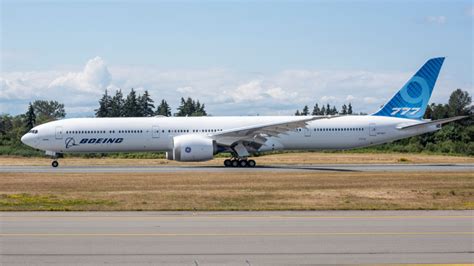
The financial impact extends beyond individual aircraft. Boeing has carried billions of dollars in program-related charges connected to the 777X delays, reflecting the enormous cost of producing aircraft that cannot immediately generate revenue.
A commercial aircraft normally begins producing value once delivered to an airline. The airline pays for the aircraft, begins operating flights, generates ticket revenue, and uses the aircraft as a productive asset.
The stored 777-9 fleet did the opposite. These aircraft consumed factory resources, required maintenance, occupied valuable space, and generated no delivery revenue.
Why Emirates Rejected Early Boeing 777-9 Aircraft
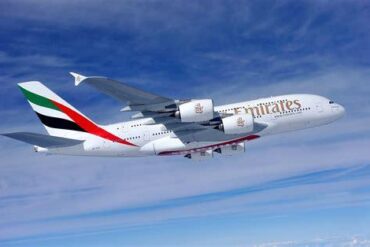
The most significant example of this problem involves Emirates, the launch customer of the Boeing 777X family.
The Dubai-based airline has built its global long-haul strategy around large widebody aircraft, and it placed one of the largest orders for the 777X program. However, Emirates President Sir Tim Clark made it clear that the airline would not accept the earliest production aircraft built years before certification.
Clark compared the stored aircraft situation to outdated products that had been sitting unused for too long, emphasizing that Emirates wanted standardized production aircraft rather than early examples requiring extensive modification.
The airline’s concern was not simply the age of the aircraft. It was the operational impact of introducing a small group of non-standard jets into a large fleet.
Airlines prefer fleet commonality because it reduces training costs, simplifies maintenance, and improves operational flexibility. A group of ten early-build aircraft requiring unique parts, special inspections, or different maintenance procedures would create additional complexity for Emirates.
For a premium airline operating ultra-long-haul routes, even small efficiency differences matter. Extra structural weight from modifications could reduce payload capability, increase fuel consumption, and affect profitability over decades of operation.
The Scrapping of a Zero-Flight-Hour Boeing 777-9
Perhaps the clearest demonstration of the crisis was Boeing’s decision to dismantle one early 777-9 airframe rather than complete the required modifications.
Aircraft WH007, the seventh Boeing 777-9 produced, became a symbol of how quickly aviation assets can lose value when certification timelines change. The aircraft had been built, partially prepared for Emirates, and stored for years without entering commercial service.
Under traditional thinking, scrapping a brand-new aircraft would seem unimaginable. However, aerospace economics are different from consumer products. The value of an aircraft depends not only on its physical condition but also on whether it meets current regulatory and operational requirements.
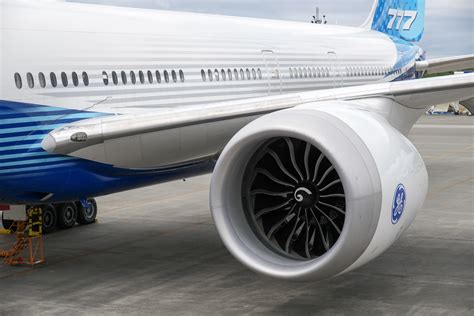
After evaluating the required modifications, Boeing determined that completing the aircraft would not be financially justified. Instead of investing heavily in structural changes, the company chose to recover valuable components and retire the airframe.
The decision sent a powerful message throughout the aviation industry: an aircraft with zero flight hours can still become economically worthless.
Boeing’s Shadow Factory Solution for 777X Rework
To manage the large number of early production aircraft, Boeing created a specialized modification operation separate from normal assembly activities.
The company repurposed sections of its Everett facilities, including areas historically associated with the Boeing 747 production program, to handle 777X change incorporation work.
This created what industry observers describe as a “shadow factory.” Instead of efficiently building new aircraft, skilled engineers and technicians were assigned to repair aircraft that had already left the production line.
The challenge is enormous. Each aircraft requires detailed inspection, engineering review, structural modifications, and system updates. The process consumes valuable manufacturing capacity that could otherwise support new aircraft production.
The situation also highlights a broader challenge facing aerospace manufacturers. Modern aircraft are becoming more technologically complex, while certification standards are becoming more demanding. The traditional relationship between production and certification is changing.
How the 777X Delay Could Change Future Aircraft Development
The Boeing 777-9 delay may influence how future commercial aircraft programs are developed. Manufacturers are increasingly likely to avoid building large numbers of customer aircraft before achieving final certification.
The lesson from the 777X program is clear: production speed is valuable only when certification follows a predictable path.
Building aircraft early can protect supply chains and reduce delivery delays, but it also creates significant financial exposure if regulators require major design changes.
Future aircraft programs from Boeing and Airbus may adopt more conservative production strategies, with greater separation between flight testing, certification, and customer manufacturing.
The 777-9 itself is still expected to become a major long-haul aircraft once certification is completed. Airlines continue to see value in its efficiency, range, and passenger capacity. However, the early aircraft stored at Everett will remain a reminder of the risks involved in modern aerospace manufacturing.
The seven-year delay transformed what were supposed to be valuable flagship aircraft into expensive liabilities. The story of the early Boeing 777-9 fleet demonstrates that in commercial aviation, a completed aircraft is only truly valuable when it has the certification, configuration, and operational capability required by airlines.