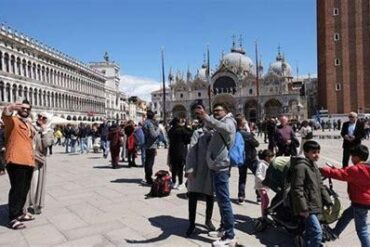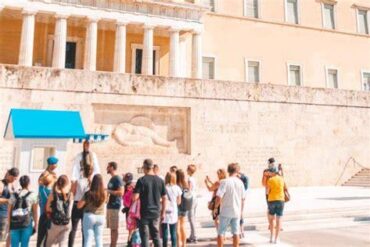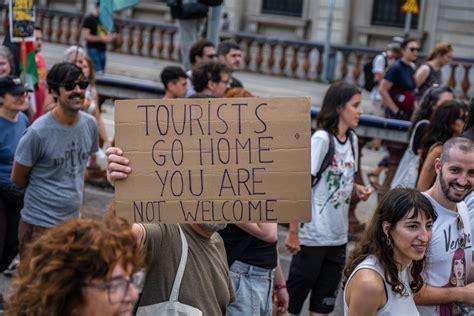
The United States is facing a staggering tourism crisis, as international warnings, geopolitical tensions, and domestic unrest collide in what analysts are now calling one of the most damaging periods for American travel and hospitality in modern history. A new report reveals that the combined effects of travel advisories from Canada, the UK, China, and Japan, paired with sharp visitor declines from Germany, France, and Mexico, could result in a devastating $12 billion USD loss in revenue by year’s end.
The consequences are not merely economic. The cascading effect of diplomatic chills, media-fueled public fear, and escalating protests in major U.S. cities is reshaping global perceptions of American safety and appeal, striking at the very core of the country’s once-celebrated tourism brand.
Travel Warnings Shake Confidence in American Destinations
A powerful wave of travel advisories has swept in from some of the United States’ most vital international tourism markets. In just a span of weeks, governments from Canada, the United Kingdom, Japan, and China issued formal caution notices urging their citizens to reconsider or delay travel to the U.S., citing a mix of violent protests, extreme weather events, and rising hate crimes. These warnings are not symbolic—they carry real economic impact.

Canada’s government updated its guidance, flagging increasing political unrest and gun violence in urban centers such as Chicago, Portland, and Atlanta. The UK’s Met Office and Foreign Commonwealth Office (FCO) released concurrent statements emphasizing risks posed by “unpredictable civil demonstrations” and “dangerous weather conditions” across several states. This came on the heels of their own domestic alert, warning Britons to stay indoors due to torrential rain and thunderstorm forecasts.
China’s Ministry of Culture and Tourism took a firmer tone, accusing U.S. authorities of failing to ensure safety for Asian travelers amid what it labeled as “rampant anti-Asian sentiment.” Japan, traditionally one of the U.S.’s strongest inbound travel partners, warned its nationals about “deteriorating public order” and “frequent mass shooting incidents.”
A Steep Drop From Core European and Latin American Markets
Compounding the problem is a measurable and steep decline in arrivals from Germany, France, and Mexico—three countries that have historically accounted for tens of millions of annual U.S. tourists. Airline bookings from Frankfurt, Berlin, Paris, and Mexico City to American hubs such as New York City, Los Angeles, and Miami have reportedly dropped by more than 35% compared to pre-pandemic levels.
Industry analysts attribute the decline to a combination of factors: a shift in traveler sentiment, stronger domestic travel campaigns in Europe, and ongoing diplomatic tensions regarding U.S. border policies and visa restrictions. The Biden administration’s hardline stance on certain immigration issues has been received poorly in Latin America, souring public perception.
France’s tourism board issued a statement warning travelers of “difficulties navigating safety concerns” in U.S. cities, referencing recent clashes between protest groups and law enforcement. German officials, meanwhile, cited the “uncertain legal landscape” around LGBTQ+ protections, abortion access, and firearms regulation as points of cultural divergence contributing to hesitancy among travelers.
Economic Consequences Ripple Through American Cities
The financial toll of this sharp downturn is staggering. According to the latest report from the U.S. Travel Association, the country risks losing over $12 billion USD in tourism revenue in 2025 alone. Cities like Orlando, Las Vegas, San Francisco, and New York—which are heavily reliant on international spending—are bracing for serious budget shortfalls.
Hotel occupancy rates in Manhattan have dipped to 62%, a dramatic fall from 82% just a year ago. Convention centers report a spike in cancellations from overseas delegations. The restaurant industry, particularly those catering to foreign clientele, is experiencing double-digit losses in sales. The ripple effect is deeply felt across secondary sectors including retail, transportation, and entertainment.
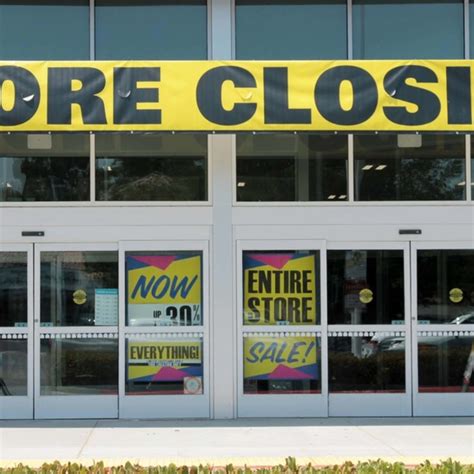
“We are staring at a sustained contraction in global visitor demand,” said Charles Yamada, an economic analyst with WorldSight International. “If left unaddressed, this will fundamentally alter the landscape of American tourism for years to come.”
Protests, Politics, and Public Perception Drive the Spiral
The American streets themselves are contributing to the narrative. From pro-Palestinian demonstrations and anti-police protests to student walkouts and labor strikes, scenes of civil unrest have become frequent features on international news broadcasts. While these movements reflect the vibrancy of U.S. democratic expression, they are often misinterpreted abroad as signs of systemic instability.
Compounding this issue is a rise in gun-related violence, often sensationalized in overseas media. In Japan, television segments on the U.S. frequently showcase active shooter incidents, reinforcing a fearful image of daily life. Chinese media outlets, influenced by political motives, have amplified stories of discrimination and hate crimes, especially against Chinese nationals and the broader Asian diaspora in the U.S.

This perception problem is made worse by the inconsistent response from federal and state authorities. While some local governments have tried to reassure international tourists through multilingual safety campaigns, others have remained silent or defensive.
Weather Woes: Natural Disasters Add to the Alarm
As if political tensions weren’t enough, climate-related disasters have further shaken traveler confidence. Hurricanes in Florida, wildfires in California, and unseasonal floods across the Midwest have painted the U.S. as a destination plagued by environmental volatility. The UK Met Office’s own warning about extreme weather—which led to travel advisories for British nationals—illustrates the global resonance of these events.
Airlines have canceled hundreds of flights in recent months due to storm activity alone. Tourist hotspots like the Grand Canyon and Yosemite National Park have experienced partial closures. Insurance providers are increasing premiums for American-bound policies, reflecting perceived risk.
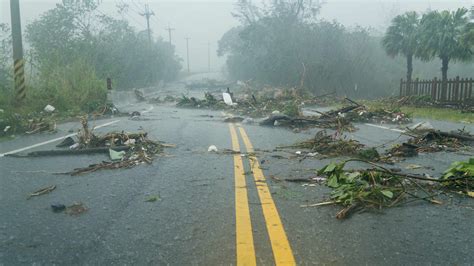
These factors—weather unpredictability, health risks, and civic unrest—are combining into a perfect storm that is driving even adventurous travelers to reconsider.
Strategic Failures in Tourism Marketing and Diplomacy
Industry experts say part of the blame lies with the lack of coordinated tourism messaging from Washington. Unlike countries such as Australia, Canada, or France, which invest heavily in global branding campaigns to promote tourism resilience and safety, the United States lacks a unified federal tourism authority. This vacuum has left states and cities to fend for themselves, often with limited budgets and disjointed strategies.
“America’s image is being defined by crisis, not by charm or experience,” says Lynnette Cho, a branding consultant for international travel organizations. “Without a credible, consistent narrative, even friendly nations start to back away.”
What Comes Next: Urgency for Policy and Image Rehabilitation
With summer travel season underway, the pressure is mounting. Some cities are taking matters into their own hands. New York’s tourism board is launching a multi-million-dollar reassurance campaign, featuring testimonials from international travelers. California is coordinating with influencers in Japan and South Korea to highlight positive experiences.
But isolated efforts may not be enough. Calls are growing louder for the Biden administration to establish a national tourism recovery task force, focusing on public diplomacy, safety standards, visa facilitation, and international media relations.
Until then, the U.S. remains in the midst of a deepening tourism vacuum—one shaped not just by global geopolitics, but by the country’s own inability to adapt and respond in real-time to shifting global expectations.
As the world watches closely, the question remains: Can the United States reclaim its place as a premier global destination, or has the golden age of American tourism quietly come to an end?