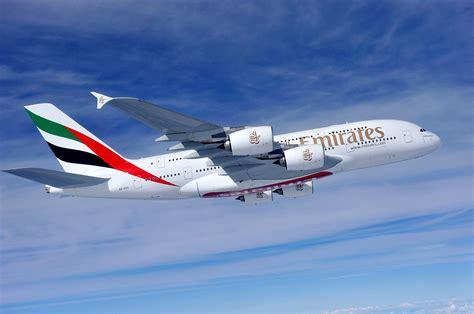
Emirates has made its strongest statement yet about the future of the Airbus A380, confirming that the iconic double-decker aircraft will remain central to the airline’s global strategy for at least another decade. At a time when many carriers have retired or reduced their superjumbo fleets, the Dubai-based airline is moving in the opposite direction, investing heavily in maintenance, operational upgrades, and cabin modernization programs designed to extend the aircraft’s lifespan well into the 2030s.
The announcement came during the Dubai Airshow, where Emirates signed agreements worth more than $1.5 billion with a wide network of aviation suppliers, engineering specialists, and maintenance partners. The move underlines the airline’s long-standing belief that the A380 continues to offer unmatched passenger appeal and critical high-capacity advantages at the world’s busiest airports.
Emirates already operates the world’s largest A380 fleet, making the aircraft inseparable from the airline’s brand identity. From its onboard shower spas and premium lounges to its spacious economy cabins, the superjumbo has become one of commercial aviation’s most recognizable passenger experiences. While competitors shifted toward smaller twin-engine aircraft, Emirates doubled down on the A380’s ability to transport huge passenger volumes efficiently through constrained airport hubs.
After years of speculation surrounding the future of the aircraft, the airline’s latest investment signals that Emirates sees long-term strategic value in keeping the A380 flying at full strength.
Emirates Expands A380 Maintenance and Engineering Partnerships
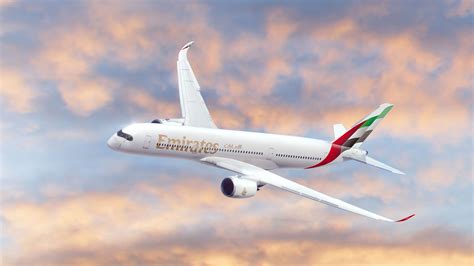
To sustain the fleet’s long operational future, Emirates is deepening relationships with major aerospace companies including Honeywell, Collins Aerospace, Pratt & Whitney, Safran, Lufthansa Technik, OEM Services, Gameco, and Haeco. These partnerships cover a broad range of aviation aftermarket services, including maintenance, repair, overhaul operations, component support, and technical engineering solutions.
The airline said the agreements are focused on maximizing fleet reliability while improving operational efficiency across its A380 network. With aircraft utilization remaining high on major international routes, reliability has become increasingly important for maintaining schedule integrity and customer satisfaction.
Industry analysts view the move as a highly calculated decision. Emirates operates from Dubai International Airport, one of the busiest long-haul hubs in the world, where slot availability remains limited. Large-capacity aircraft such as the A380 allow the carrier to move more passengers without increasing flight frequencies, preserving valuable airport access while supporting continued global expansion.
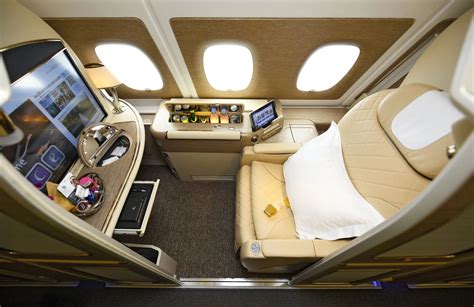
In addition to engineering investments, Emirates is also progressing with its massive $2 billion retrofit program. The project includes extensive cabin refurbishments across the A380 fleet, featuring upgraded interiors, refreshed premium cabins, enhanced onboard technology, and improved passenger amenities. The retrofit strategy is intended to keep the aircraft competitive against newer-generation widebody jets entering service globally.
Sir Tim Clark Signals Long-Term Confidence in the Superjumbo
Emirates President Sir Tim Clark reaffirmed the airline’s commitment to the aircraft, describing the A380 as a foundational element of Emirates’ growth story. According to Clark, the aircraft’s size and efficiency have enabled Emirates to expand aggressively at congested international airports while simultaneously raising global expectations for passenger comfort.
Clark emphasized that Emirates intends to keep the fleet in “optimal shape and pristine condition,” reinforcing confidence that the superjumbo will remain a core part of the airline’s network strategy throughout the next decade.
The statement is particularly significant because the Airbus A380 program officially ended production in 2021. Many aviation observers expected the aircraft’s relevance to gradually decline after manufacturing ceased. Emirates, however, continues to demonstrate that strong demand still exists for high-capacity premium travel, especially on heavily traveled international routes linking Europe, Asia, North America, and the Middle East.
Why the Airbus A380 Still Matters to Emirates
Despite changing market dynamics, the A380 remains uniquely suited to Emirates’ operating model. The aircraft’s enormous seating capacity allows the airline to dominate trunk routes while offering a premium-heavy cabin configuration that generates strong revenue potential. Its spacious design also continues to attract passengers seeking a more comfortable long-haul experience.
As global aviation demand continues recovering and major airports face increasing congestion, Emirates appears convinced that the A380 still has a powerful role to play in international travel. Rather than treating the superjumbo as a fading symbol of a previous aviation era, the airline is positioning it as a long-term competitive advantage.