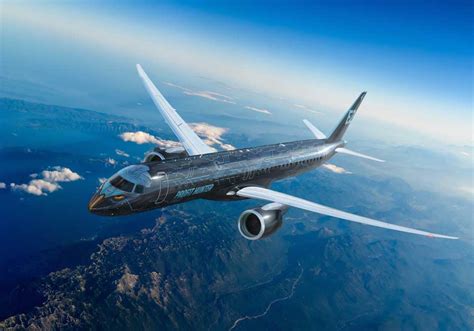
SkyWest Airlines has made a resounding statement at the Paris Air Show 2025, revealing a monumental $3.6 billion order for 60 Embraer E175 regional jets, along with options for an additional 50 aircraft. This strategic move not only reinforces SkyWest’s dominance in the U.S. regional aviation sector but also cements the E175’s unshaken status as the cornerstone aircraft for American regional carriers operating under strict scope clause constraints.
SkyWest Doubles Down on the E175 Amid Scope Clause Stalemate
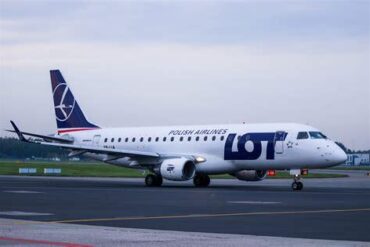
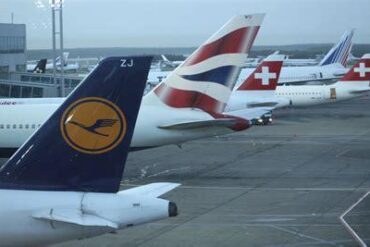
The significance of this order stretches far beyond numbers. SkyWest Airlines, headquartered in St. George, Utah, already operates the world’s largest fleet of Embraer E175s. The latest deal enhances its position as the primary user of this 76-seat regional workhorse. With this acquisition, SkyWest is poised to increase operational flexibility and enhance service offerings for its major airline partners, particularly as U.S. pilot scope clauses continue to restrict aircraft size and capacity for regional affiliates.
Sixteen of the newly ordered jets are confirmed to fly under the Delta Connection brand, replacing a mix of Bombardier CRJ700s and CRJ900s. The remainder—44 aircraft—are contingent on SkyWest securing flying agreements with additional major airline partners. These unassigned units will allow SkyWest to swiftly respond to shifts in regional demand, airline contract opportunities, or changes in regulatory policy over the coming decade.
Embraer Secures a Strategic Win With the E175
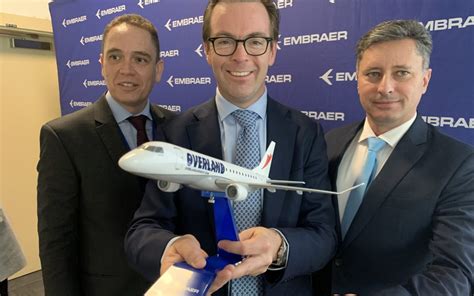
Embraer Commercial Aviation has expressed immense satisfaction with the deal, with CEO Arjan Meijer describing it as a “mega order” that validates the E175’s sustained reliability, cost-efficiency, and passenger comfort. For Embraer, which has faced stagnation in the development of the E175-E2 due to scope clause limitations, the renewed focus on the E175 underscores the airframe’s irreplaceable value in the U.S. market.
“The E175 is the cornerstone of regional aviation in North America, and this order underscores SkyWest’s confidence in our aircraft’s performance, reliability, and passenger comfort,” said Meijer.
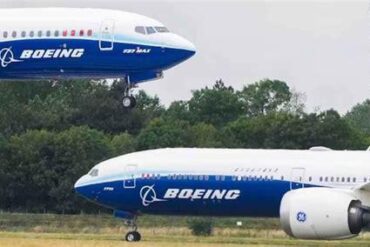
The timing of this announcement—on Day 3 of the Paris Air Show—further elevated Embraer’s profile during the event, contrasting starkly with Boeing’s relative silence following the recent Air India incident and Airbus’s dominance in the narrowbody and widebody markets.
The Scope Clause Dilemma and the E175-E2 Standstill
Notably, this major order implicitly confirms the continuation of the scope clause constraints that have long governed U.S. regional aviation. These clauses—embedded in pilot union contracts—prohibit regional operators from flying jets exceeding 76 seats or a maximum takeoff weight (MTOW) of 86,000 lbs. The E175-E2, a more modern variant with superior fuel efficiency and updated avionics, exceeds the MTOW limit and is thus sidelined despite being technically more advanced.
Embraer has paused development of the E175-E2 indefinitely, waiting on a shift in labor agreements that appears increasingly unlikely in the short term. SkyWest’s substantial investment in the current E175 model essentially signals its expectation that scope clauses will remain unchanged for the foreseeable future.
SkyWest’s Fleet Evolution: Out With CRJs, In With E-Jets
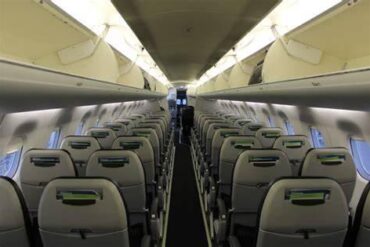
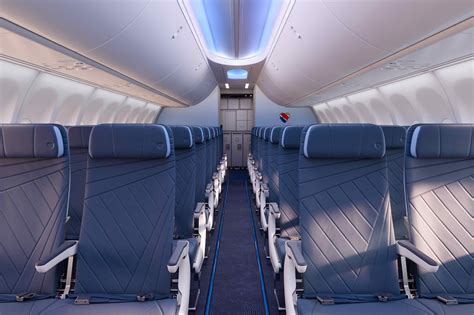
The shift from Bombardier CRJ aircraft to Embraer E-Jets is a critical evolution in SkyWest’s strategy. The CRJ700s and CRJ900s—once the mainstay of U.S. regional aviation—are being phased out in favor of jets that offer improved fuel efficiency, better range, enhanced cabin experience, and dual-class configuration support. The E175’s ability to support first-class seating, power outlets, and increased cabin comfort makes it highly attractive to mainline carriers seeking seamless brand consistency across their regional and trunk routes.
SkyWest CEO Chip Childs echoed these sentiments, saying: “This order enables us to advance our long-term fleet strategy and to continue to deliver the premier regional product in the industry.” With firm positions secured for delivery beginning in 2027, SkyWest is laying the groundwork for regional fleet modernization well into the next decade.
What the Order Means for the U.S. Regional Market
This bold move by SkyWest is a vote of confidence in the enduring value of dual-class regional jet operations, even in a sector constrained by outdated labor rules. U.S. regional airlines face acute pilot shortages, aging fleets, and high operating costs—making fleet efficiency more critical than ever. The E175, with its range of 2,200 nautical miles and cruise speed of Mach 0.82, is ideally suited to meet these challenges across short- to medium-haul routes.
Furthermore, this order places additional pressure on Embraer’s competitors, particularly Mitsubishi (which shelved its SpaceJet project) and any possible resurgence of Bombardier regional jets. It also reinforces the strategic importance of fleet flexibility, particularly with the 50 optional aircraft that SkyWest can draw upon depending on market dynamics.
Embraer’s Backlog Grows: A Contrast in E-Jet Popularity
According to its Q1 financial report, Embraer’s E175 backlog now far exceeds that of its E2 siblings. As of March 31st, Embraer had:
- 160 firm orders for E175s
- 25 for E190-E2s
- 151 for E195-E2s
The SkyWest order adds to this dominance and underscores a growing divergence in Embraer’s product strategy: while the E2 family offers technological advancements, the classic E175 remains the most commercially viable option due to U.S. regulatory and labor frameworks.
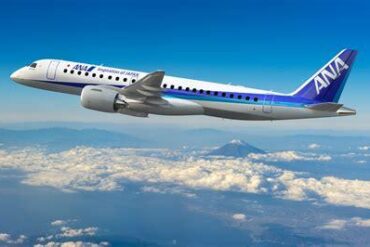
Meanwhile, Embraer has made gains with its E2 jets internationally. For instance, South Africa’s Airlink recently announced plans to lease ten E195-E2s from Azorra, with deliveries beginning in 2025. Also at the Paris Air Show, All Nippon Airways (ANA) became the first Japanese airline to order E2 aircraft, committing to 20 E190-E2s.
Looking Ahead: A Decade of Regional Dominance
SkyWest’s 60-jet firm order—paired with its purchase rights for 50 more—ensures the airline will remain a formidable force in North American regional operations well into the 2030s. With options to adjust based on demand, evolving pilot agreements, or market competition, SkyWest gains a competitive edge through scalability.
The deal also signals to major U.S. carriers like Delta, United, and American that SkyWest remains a reliable, agile partner ready to support their capacity needs with newer, more efficient aircraft. As legacy carriers reevaluate their feeder networks post-pandemic, partnerships with well-capitalized regional operators like SkyWest will become even more essential.
For Embraer, the order is a lifeline and a loud affirmation: even without a clear path forward for the E175-E2, the company’s existing E175 platform remains irreplaceable in one of the world’s most lucrative aviation markets.
Conclusion: A Strategic Masterstroke at Paris Air Show 2025
In the high-stakes theatre of the Paris Air Show 2025, where global manufacturers unveil their grandest ambitions, SkyWest and Embraer have pulled off a strategic masterstroke. While the world watched Airbus rack up triple-digit narrowbody orders and Boeing dealt with PR turbulence, SkyWest’s $3.6 billion bet on the tried-and-tested Embraer E175 sends a strong message: pragmatism, reliability, and regulatory foresight still rule the skies of regional aviation.
With deliveries set to begin in 2027 and an option to expand the order even further, this deal may well shape the future of American skies—one E175 at a time.