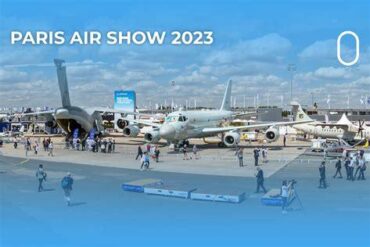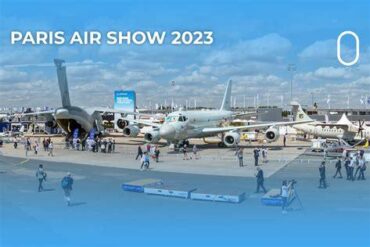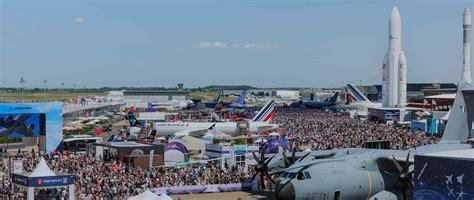
The Paris Air Show 2025 opened under a pall of grief and global reflection, redefining what is typically the aviation industry’s most optimistic and future-driven gathering. Held at Le Bourget Airport, the show unfolded in the wake of the devastating Air India disaster in Ahmedabad, which claimed the lives of nearly all 242 people onboard. The event’s mood was muted, the celebration subdued, and every moment touched by a profound sense of loss.
The catastrophe, involving a Boeing aircraft, fundamentally reshaped the narrative of the show. Rather than the usual flurry of press conferences, flashy unveilings, and record-setting order announcements, the industry found itself grappling with somber introspection. Boeing, at the heart of the tragedy, stepped away from the spotlight entirely—leaving room for its rivals, notably Airbus, Embraer, and ATR, to quietly step forward.
Boeing Withdraws: A Moment of Respect and Reflection
In a move without precedent in the history of international aviation expos, Boeing withdrew from all commercial announcements. The company canceled all media briefings and public engagements, and its booth at Le Bourget was subdued—reserved not for business, but remembrance. Staff wore black ribbon pins bearing the Air India logo, and company officials remained low-profile throughout the event.
Although static displays of the Boeing 787 and 777—courtesy of Riyadh Air and Qatar Airways—remained on the tarmac, the symbolism was clear. Boeing had chosen humility over hype, solidarity over sales. Industry insiders noted that major announcements, including rumored orders from Air India (40 Boeing 777Xs) and Ethiopian Airlines (20 737 MAX 7s), were deliberately withheld. This was a moment for mourning—not marketing.
Airbus Dominates with Record Bookings and Global Confidence
As Boeing took a step back, Airbus surged ahead, delivering a masterclass in strategic timing and product strength. The Toulouse-based manufacturer announced 248 firm aircraft orders, bolstered by 156 options—a clear sign of its growing dominance.
Among the largest contributors was VietJet, signing a memorandum of understanding (MoU) for 150 A321neos. Riyadh Air followed closely with a major commitment for 50 A350-1000s, affirming the Middle East’s continued growth trajectory. Additional key wins included:
- AviLease: 22 A350 freighters and 55 A320 family jets
- LOT Polish Airlines: 84 A220s including options
- Starlux, ANA, and EgyptAir: Various additions to their long-haul and narrowbody fleets
This wide regional spread—from Asia to Europe and the Middle East—underscored Airbus’ exceptional market confidence and ability to serve both capacity-driven and efficiency-focused carriers. The absence of competing Boeing deals only magnified Airbus’ achievements, giving it an uncontested platform.
Embraer’s Steady Climb in Regional Aviation
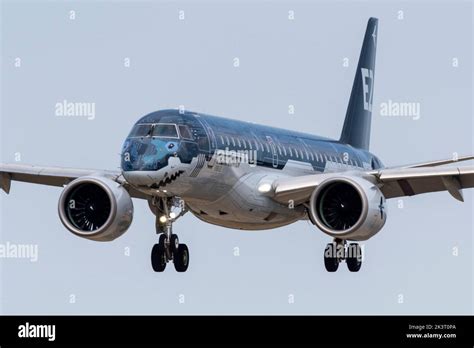
While Airbus captivated global headlines, Embraer quietly strengthened its standing in the regional jet segment. The Brazilian manufacturer secured 77 firm aircraft orders and 55 options, with a laser focus on right-sizing and emission reduction.
The standout deal came from SkyWest Airlines, which committed to up to 110 E175s. This move reaffirmed Embraer’s pivotal role in the U.S. regional network, which continues to demand aircraft capable of serving less dense routes with flexibility and fuel efficiency.
Further momentum came from All Nippon Airways (ANA), which added 20 E190-E2s, pointing to the Japanese market’s shift toward environmentally responsible regional expansion. Embraer’s showing reflected a global trend toward fleet diversification, as airlines reconsider their strategies in light of changing passenger volumes and sustainability goals.
ATR Highlights the Value of Turboprops in an Evolving Market
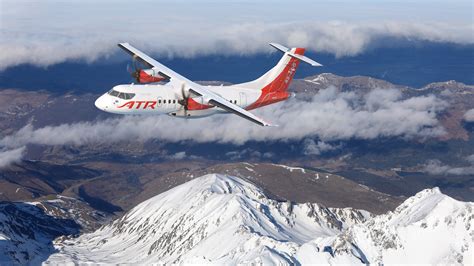
In a show often dominated by jets, ATR made a significant impression by showcasing the enduring relevance of turboprops. The French-Italian consortium announced a deal with JSX for 15 ATR 42-600s, plus options for 10 more.
Though modest compared to Airbus’ mega-deals, this order had outsized importance. Turboprops are gaining renewed interest among carriers seeking cost-effective, short-haul solutions in underserved and remote regions. With rising fuel costs and decarbonization pressures mounting, the efficient ATR 42-600 stands out as a timely choice.
The Numbers That Shaped the Show
| Manufacturer | Firm Orders | Options |
|---|---|---|
| Airbus | 248 | 156 |
| Embraer | 77 | 55 |
| ATR | 15 | 10 |
| Boeing* | 41 | 4 |
*Note: Boeing’s figures reflect previously disclosed orders from ANA earlier in 2025; they do not represent new activity at the Paris Air Show.
Industry Realignment Amid Crisis and Caution
What emerged at Paris was more than a rebalancing of sales charts—it was a seismic shift in the aviation industry’s narrative. The tragedy in India starkly reminded the global aerospace community that the heart of aviation is not innovation or competition, but safety. Every gleaming fuselage and high-tech cockpit is meaningless without the assurance of human lives preserved.
Boeing’s respectful silence, while deeply appropriate, also highlighted the growing market space being seized by competitors. Airbus now leads not just in orders, but also in global perception as the airframer most ready to handle current demands.
Embraer and ATR are riding tailwinds of regional connectivity and sustainability, whereas Boeing now faces a crucial test—not only to regain trust but to reaffirm its technical leadership and safety commitment.
What’s Next for Boeing—and the Industry?
The question looming over Le Bourget wasn’t about which company won the most deals—it was about where the industry goes next. For Boeing, the path forward hinges on three pillars:
- Transparency in investigation outcomes of the Air India tragedy
- Reaffirmed safety protocols and public accountability
- Strategic announcements at upcoming shows in Dubai and Farnborough, which could reset momentum
For Airbus, the priority will be to solidify MoUs into firm commitments before year-end, ensuring its leadership remains unchallenged. Embraer and ATR are expected to ride their momentum into regional and emerging markets, aided by government incentives and climate-aligned transport strategies.
Analysts also expect fleet planning philosophies to evolve. Airlines are likely to pursue aircraft that offer range flexibility, reduced carbon footprint, and cost-effective operations, especially amid volatile fuel pricing and geopolitical uncertainties.
A Show Remembered Not for Spectacle, But Sobriety
The 2025 Paris Air Show will be remembered for its unprecedented tone—not its aircraft debuts, flashy flyovers, or booming deals. It will be remembered as the moment when the aviation industry paused—not just for grief, but for self-reflection.
From tribute pins to quiet press rooms, from postponed orders to heartfelt condolences, the event served as a solemn reminder: aviation is about people. About keeping them safe. About connecting them with care.
This was a show without triumph, but with purpose. And that purpose, rooted in safety, responsibility, and human life, may be the most enduring flight path aviation has charted in years.
The sky may have been somber, but the message was clear—and its echoes will last far beyond Le Bourget.