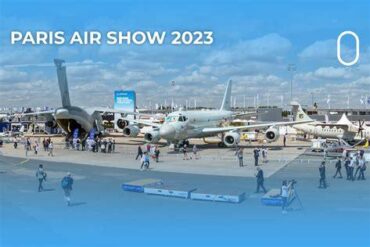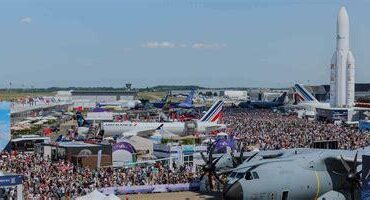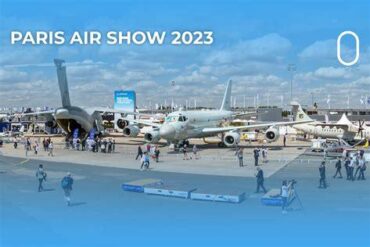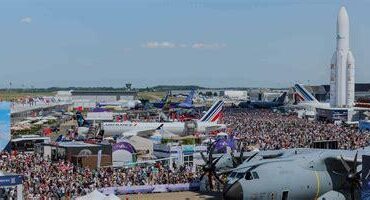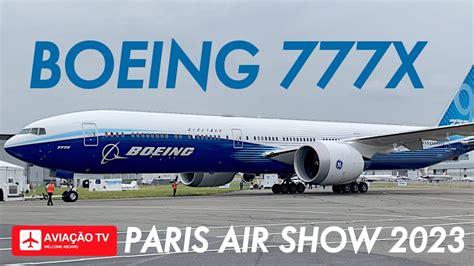
The Paris Air Show 2025 was poised to be a grand stage for aviation giants to unveil their latest marvels. From sleek next-gen jets to cutting-edge military hardware, the event at Le Bourget Airport buzzed with technological prowess and strategic positioning. Among the expected stars of the show was the Boeing 777X, Boeing’s flagship long-haul aircraft. Yet, as the industry watched closely, the 777X was conspicuously absent from the static display. This omission sparked questions and speculation—questions that delve into a complex nexus of regulatory hurdles, strategic prioritization, and a broader narrative about Boeing’s focus in 2025.
Certification Over Celebration: Boeing’s Calculated Decision
Boeing’s absence of the 777X at Paris wasn’t a slip; it was a deliberate, high-stakes strategic choice. The aircraft is currently entrenched in an exhaustive certification process in the United States, working toward Federal Aviation Administration (FAA) and European Union Aviation Safety Agency (EASA) approvals. This isn’t just a box-ticking exercise. The certification demands placed on Boeing have intensified in recent years, especially in the wake of the 737 MAX crisis, which reshaped global regulatory expectations and scrutiny.
Boeing has positioned the 777X as a cornerstone of its wide-body strategy for the next two decades. Bringing the aircraft to Paris would have diverted essential engineering, testing, and flight personnel from critical stages in the certification timeline. The aircraft is undergoing structural, avionics, and performance evaluations that require near-constant attention and data collection. Any delays now could push back its entry into service, which is already forecast for 2026 after multiple deferrals.
A Mock-Up for Momentum: Maintaining Presence Without the Plane
Though the aircraft itself did not make the transatlantic journey, Boeing ensured the 777X had a strong symbolic presence at its Pavilion (C-2). Here, visitors could experience a full-scale mock-up of the aircraft’s interior—a move designed to highlight the program’s vision and progress without compromising its current engineering goals.
The mock-up is more than just a cabin showcase; it’s a narrative tool. Visitors are immersed in the 777X’s signature spacious cabin, boasting enhanced passenger comfort, redesigned lighting systems, larger windows, and a quieter flight experience. Boeing’s message is clear: the aircraft is real, the innovation is tangible, and the future of wide-body air travel is already being shaped in simulators and test bays.
Inside the 777X Program: High Stakes and Higher Expectations
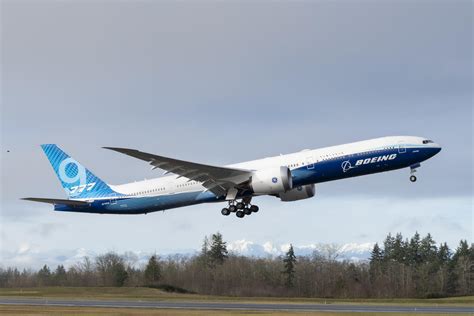
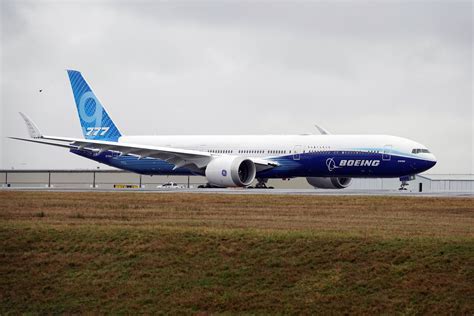
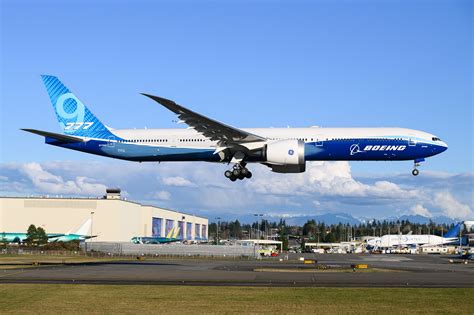
The 777X is not just another aircraft—it’s a fusion of legacy and leap. Derived from the highly successful 777 platform, the 777X incorporates composite wings, new GE9X engines, and folding wingtips that enable gate compatibility at standard airports while improving aerodynamics in-flight. With capacity for over 400 passengers and an extended range surpassing 8,700 nautical miles, it’s designed to redefine what large twin-engine jets can do.
But its ambitious engineering comes at a cost: certification complexity. The GE9X engines, while promising fuel savings and lower emissions, have required iterative refinements. Structural tests of the fuselage and wings exposed areas needing rework. The folding wingtip mechanism, unique to this model, demanded additional regulatory review due to its novelty and critical safety functions.
The Broader Boeing Strategy: Focus Over Flash
At Paris, Boeing wasn’t short on presence. The Pavilion featured an expansive array of solutions across both commercial and defense sectors. In addition to the 777X mock-up, Boeing brought forward:
- Next-generation defense systems
- Global parts and supply chain services
- Training, maintenance, and sustainment solutions
- Cutting-edge cabin interior designs
- Commercial aircraft modifications and services
In this sense, the absence of the physical 777X was offset by a rich digital and experiential portfolio. This not only saved logistical effort but subtly communicated Boeing’s focus: depth over display.
The Cascade Climate Impact Model, another key exhibit, allowed attendees to interact with data-driven visualizations on aviation’s environmental impact and decarbonization pathways. In an age where emissions and sustainability are front-page concerns, Boeing’s pivot to showcasing its green roadmap helped realign the spotlight.
Industry Implications: Certification’s New Role in Public Display
The aviation industry has entered an era where regulatory timelines and program credibility weigh heavier than dazzling airshow unveilings. The Boeing 777X is emblematic of this shift. Every move is now read not just as a product update but as a signal of internal maturity and risk management.
Competitors like Airbus, meanwhile, showcased their A350 variants and next-generation narrow-bodies with full fanfare. The contrast was striking but strategic. Airbus, having completed recent certifications, was in a position to impress. Boeing, on the other hand, couldn’t risk compromising the 777X timeline for temporary optics.
This is part of a larger pattern of tempered showcases across the aviation sector. In-development aircraft are being kept closer to home, as engineering teams face stricter internal and external accountability. The post-MAX regulatory environment has recalibrated timelines and redefined the thresholds for test-readiness.
Commercial Fallout: Airline Customers and Market Perception
The airlines lined up for the 777X—Emirates, Lufthansa, Qatar Airways, among others—are watching Boeing’s every move. These are not casual customers; they’re launch partners with aggressive expansion goals and complex fleet strategies. The longer the certification process drags, the more these airlines must adapt operational plans and delay route rollouts that hinge on the 777X’s capabilities.
Boeing’s no-show at Paris will certainly be noted, but not necessarily viewed negatively by its partners. Industry insiders understand that bringing the aircraft to Paris could have set back its already tight timeline. That said, market confidence is a delicate balance. Boeing will need to continually reinforce the narrative that delays are due to diligence, not dysfunction.
Looking Ahead: When Will the 777X Finally Take Center Stage?
All eyes now shift to 2026, Boeing’s target for 777X entry into service. While the company has not committed to another pre-delivery showcase, analysts speculate that a global tour or debut flight at a future Farnborough or Dubai Air Show could serve as the program’s next major public milestone.
Until then, Boeing will likely lean on immersive technologies, media updates, and strategic disclosures to keep momentum alive. The company understands that confidence in the 777X hinges not just on its specs but on the perception of control, consistency, and commitment. The plane, after all, is meant to carry the Boeing wide-body torch into the 2040s.
Conclusion: No Plane, No Problem—If Execution Delivers
The absence of the Boeing 777X at the Paris Air Show 2025 is a decision rooted in modern aerospace realities. Certification, not celebration, has become the crucible through which next-gen aircraft must pass. For Boeing, bringing a static display to Paris would have been a photo opportunity. Completing certification on schedule, however, is an operational necessity.
As the company focuses resources on clearing the final hurdles of regulatory approval, it is also redefining how it communicates progress. Through digital engagement, immersive showcases, and a strong narrative around innovation and responsibility, Boeing is attempting to show that sometimes, the smartest move is staying grounded—until the right moment to soar.