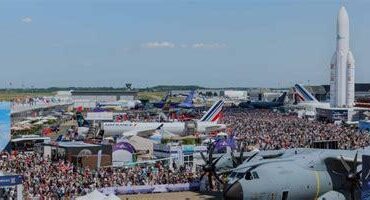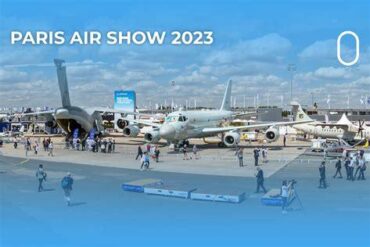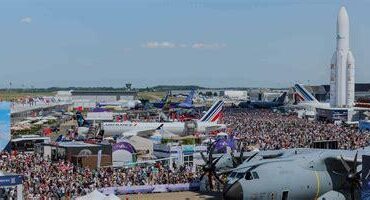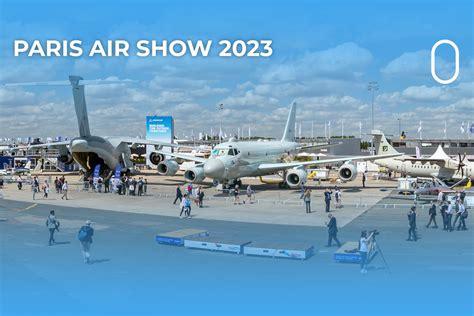
The 2025 Paris Air Show has officially taken flight, marking a pivotal moment in the aviation industry. As one of the most anticipated events on the global aviation calendar, this year’s show has already become a milestone with Emirates, alongside industry giants such as JetBlue, Riyadh Air, MNG, EGYPTAIR, STARLUX, and Air Tahiti, all showcasing groundbreaking advancements and strategies that promise to reshape the future of air travel. The excitement is palpable as these airlines unveil ambitious plans and innovative technologies, setting a new benchmark for the industry.
Unveiling New Opportunities and Partnerships
As the event unfolds, the atmosphere is charged with anticipation. Each day brings fresh announcements that signal a dynamic shift in how airlines are approaching fleet expansion, sustainability, and passenger experience. Emirates, known for its luxury offerings and extensive network, is taking bold steps alongside its partners, emphasizing the importance of collaboration in navigating the challenges and opportunities that lie ahead in the aviation landscape.
On the third day of the show, a series of significant developments captured the attention of industry experts and enthusiasts alike. Airbus emerged as a key player, securing substantial deals that reflect a strong forecast for long-haul travel and air cargo operations. MNG Airlines from Türkiye made headlines by committing to two A350 Freighters, a strategic move aimed at enhancing its cargo capabilities between Asia and North America. Similarly, EgyptAir’s order for six additional A350-900s highlights its determination to modernize and decarbonize its fleet, aligning with the industry’s growing emphasis on sustainability.
The Rise of Premium Regional Travel
One of the standout moments of the show was Air Tahiti’s reveal of an all-business-class ATR 72-600 aircraft. This luxurious 26-seat cabin promises to redefine regional air travel in French Polynesia, offering unparalleled comfort and service. Such innovations demonstrate a clear shift toward premium experiences in markets that have traditionally been underserved. The focus on high-end hospitality is not only a response to consumer demand but also a strategic maneuver to differentiate in competitive landscapes.
Adding to the excitement, JSX, renowned for its unique hop-on jet services, announced plans to incorporate ATR turboprops into its fleet for the first time. With a commitment to operate up to 25 ATR aircraft, JSX aims to tap into over 1,000 underserved regional airports, promising a new level of connectivity and convenience for travelers across the U.S.
North America’s Fleet Strategy and Regulatory Challenges
In North America, SkyWest Airlines, a leader among regional carriers, made waves with its order for 60 more E175 jets from Embraer. This $3.6 billion investment underscores the complexities of fleet strategy in a regulatory environment that limits operational flexibility. The E175 remains a workhorse in North America, demonstrating resilience despite advancements in newer aircraft models.
Across the Atlantic, Airlink from South Africa is embracing modernization with its decision to lease 10 E195-E2 jets from Azorra. This move is set to bolster capacity and improve sustainability, reflecting a broader trend among African airlines to enhance operational efficiency while meeting growing market demands. Air Montenegro also joined the Embraer Pool Program, adding another E195-E2 to its fleet, further solidifying its commitment to reliability and operational excellence.
Regional Cargo and E-commerce Growth
The regional freighter market is experiencing a surge, with Regional One doubling its order of E190 freighter conversions. The first aircraft will be launched with Bridges Air Cargo in 2025, catering to the increasing demand for medium-range cargo delivery solutions. This initiative positions Regional One as a key player in the evolving logistics landscape, especially with the rise of e-commerce and time-sensitive freight needs.
In East Africa, De Havilland Canada made headlines by selling two Dash 8-400 freighter conversion kits to Advantage Air. This development enhances the region’s logistics capabilities, enabling reliable connections to remote areas and ensuring essential goods reach their destinations efficiently.
Sustainability Takes Center Stage
A recurring theme throughout the Paris Air Show is the emphasis on sustainability. Airlines are increasingly recognizing that green initiatives are no longer optional; they are integral to growth strategies. From STARLUX’s commitment to fuel-efficient A350s to JSX’s introduction of ATR turboprops, every new aircraft ordered at the show reflects a focus on reducing carbon footprints and enhancing operational efficiency.
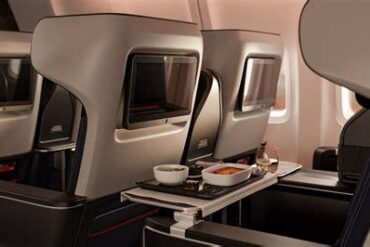
Moreover, the evolution of passenger experience is paramount. Airlines are no longer solely focused on transporting travelers from point A to B; they are committed to impressing passengers every step of the way. This includes innovative business-class cabins on regional routes and enhanced inflight connectivity, ensuring that travelers remain connected even at 30,000 feet.
Boeing’s Quiet Presence
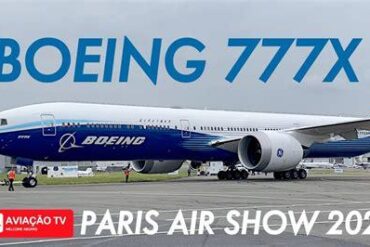
Interestingly, Boeing maintained a low profile during the event, failing to announce major orders or strategic moves. While their aircraft continue to see demand globally, the lack of significant headlines at such a prominent event raised questions about their competitive position. As Airbus, ATR, and Embraer secure major wins, Boeing’s subdued presence may indicate a need for internal recalibration or a missed opportunity to capture market momentum.
Conclusion: Shaping the Future of Air Travel
As the Paris Air Show transitions from a business-centric focus to a public spectacle, the implications of the announcements made during this event will resonate throughout the aviation industry for years to come. The future of air travel is being rewritten on the tarmac, with airlines reimagining the flying experience, prioritizing sustainability, and pushing the boundaries of innovation.
The message is clear: today’s deals are not merely about expanding fleets; they are about reshaping expectations and setting new standards for what travelers can anticipate. In this rapidly evolving landscape, the question looms large: which airlines will adapt and thrive, and who will fall behind in this exciting new era of aviation?