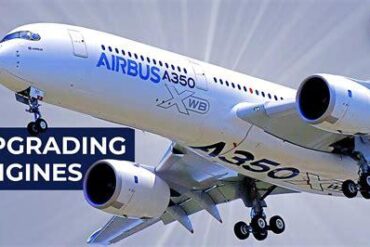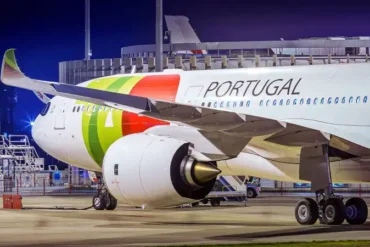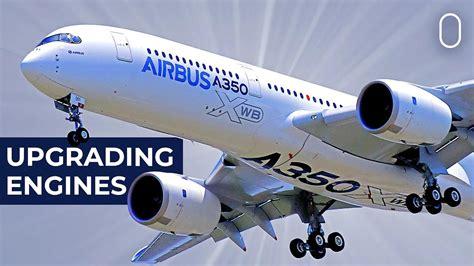
Airbus is once again generating attention around the possibility of a larger A350-2000 widebody aircraft, but bringing the stretched jet to market would depend heavily on the development of a new Rolls-Royce engine. According to Rolls-Royce leadership, a suitable powerplant could require six to seven years of development work, meaning the aircraft would likely not enter service until well into the 2030s.
The potential A350-2000 has emerged as Airbus evaluates its long-term strategy for the largest segment of the commercial aviation market. The proposed aircraft would sit above the existing A350-1000 and target airlines seeking a modern replacement for high-capacity aircraft such as the Airbus A380 and a direct competitor to Boeing’s upcoming 777X family.
The renewed discussion comes as Airbus gains confidence from improving financial conditions and a stabilizing production environment. Earlier in 2026, the European manufacturer faced significant challenges, including supply chain disruptions and weaker profitability. However, improvements across its aircraft programs have allowed Airbus to reconsider larger strategic investments that were previously difficult to justify.
The company’s single-aisle production challenges, particularly those involving the A320neo family and Pratt & Whitney engine availability, have gradually eased. At the same time, Airbus expects the A350 program to increase production capacity, creating a stronger foundation for a possible future flagship model.
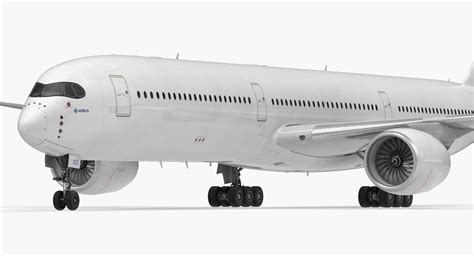
Airbus A350-2000 Would Require A New Generation Engine
A stretched A350-2000 would not simply be a larger version of today’s A350-1000. The aircraft would require significantly greater thrust, improved efficiency, and a powerplant capable of supporting long-range operations while meeting increasingly strict environmental requirements.
Rolls-Royce CEO Tufan Erginbilgic has indicated that if Airbus approves the project in the coming years, the required engine could be ready around 2033 or 2034. While a seven-year timeline may appear lengthy, it reflects the complexity of developing a new-generation commercial engine.
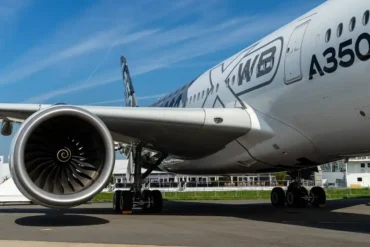
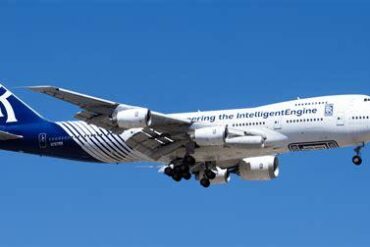
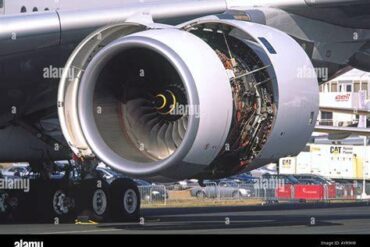
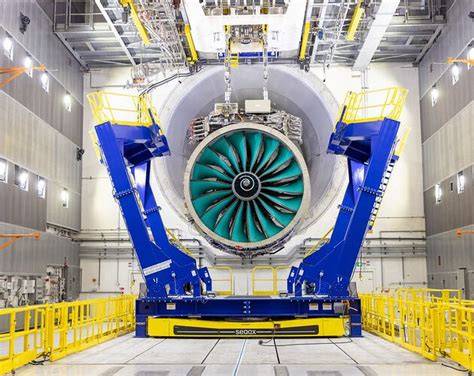
The proposed powerplant would likely rely on Rolls-Royce’s developing UltraFan technology, which represents the company’s next major step beyond the current Trent XWB engine family. Unlike a simple enlargement of existing designs, UltraFan introduces a new architecture aimed at achieving major improvements in fuel efficiency and operational reliability.
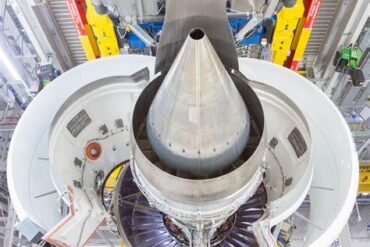
The technology uses a power gearbox system positioned between the turbine and the front fan. This allows the fan to rotate at a slower speed while enabling the engine core to operate at higher speeds for improved efficiency. The design is expected to support larger fan diameters and provide a potential fuel burn improvement of between 10% and 25% compared with current-generation Rolls-Royce widebody engines.
Rolls-Royce Takes A Careful Approach After Past Engine Challenges
Rolls-Royce’s cautious approach reflects lessons learned from the difficult history of the Trent 1000 engine program that powered the Boeing 787 Dreamliner. Technical problems with the engine created major financial costs and forced the company to invest heavily in repairs, inspections, and redesign efforts.
Following that experience, Rolls-Royce is focused on ensuring its next widebody engine enters service with strong reliability from the beginning. A new A350-2000 engine program would represent a major financial commitment, requiring careful testing, certification, manufacturing preparation, and long-term support planning.
The company has made progress in improving engine durability. Rolls-Royce has reported significant improvements in time on wing performance, reducing maintenance requirements and strengthening customer confidence. These improvements will be critical as airlines increasingly prioritize operational reliability alongside fuel efficiency.
A350-2000 Could Become Airbus’ Answer To The Boeing 777X
Timing will be one of the biggest challenges for Airbus. Boeing’s 777X is expected to enter commercial service before an A350-2000 program could realistically reach airlines. By the time Airbus introduces a larger A350 variant in the 2030s, Boeing’s aircraft will likely have matured through its early production phase.
However, Airbus could still find a strong market opportunity. The global aviation industry is preparing for the eventual retirement of large numbers of older high-capacity aircraft, particularly the A380 fleet operated by Emirates.
Emirates remains one of the strongest potential customers for a future Airbus flagship aircraft. The airline operates one of the world’s largest A380 fleets and has invested heavily in Dubai International Airport infrastructure designed around very large aircraft operations.
Although Emirates has previously pushed Airbus to develop an A380neo, that proposal never moved forward. A new A350-2000 could provide a more efficient alternative, offering high capacity while maintaining the advantages of a modern twin-engine aircraft.
The airline already operates Airbus aircraft with similar flight deck technology, creating potential advantages in pilot training and fleet management. These factors could make a large A350 variant attractive for carriers needing a replacement for aging superjumbo aircraft.
Airbus Must Balance Ambition With Market Demand
The decision to launch the A350-2000 will depend on more than technical capability. Airbus must evaluate whether demand for extremely large twin-engine aircraft will justify the development cost during the 2030s.
The company’s existing backlog of more than 9,200 aircraft orders provides financial stability and production visibility, allowing Airbus to consider long-term projects. However, launching a new flagship aircraft requires confidence that airlines will commit billions of dollars in future purchases.
For Rolls-Royce, the challenge is equally significant. The company must deliver an engine that combines greater efficiency, reliability, and sustainability while avoiding the costly mistakes of previous programs.
If Airbus and Rolls-Royce move forward, the A350-2000 could become one of the most important commercial aircraft developments of the next decade. However, with engine development alone requiring up to seven years, the path from concept to airline service will be a carefully managed journey rather than a rapid expansion of the existing A350 family.