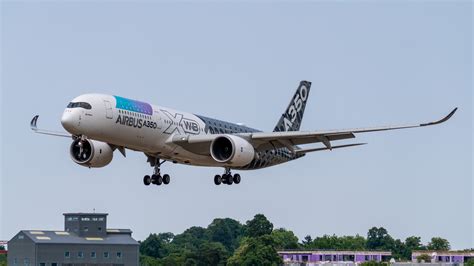
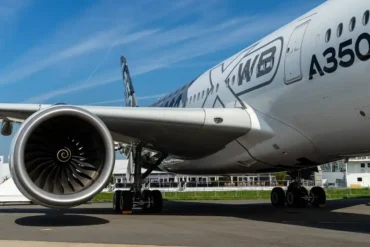
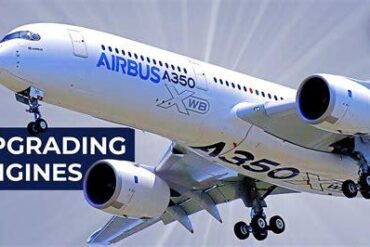
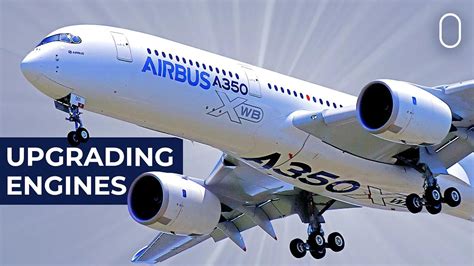
Delta Air Lines has once again cemented its leadership in sustainable aviation, becoming the first airline to take delivery of an Airbus A350-900 equipped with Rolls-Royce’s Enhanced Performance (EP) Trent XWB-84 engine. This major development not only reaffirms Delta’s strategic investment in cutting-edge aviation technologies but also underscores Georgia’s growing role as a hub for environmentally responsible air travel innovation.
Delivered on April 30, 2025, the aircraft represents a transformative shift in Delta’s fleet modernization strategy, combining ultra-efficient engine performance with reduced environmental impact. The move sets a bold precedent for other U.S.-based carriers and global airlines aiming to reduce emissions and optimize fuel consumption.
Delta’s Vision for Greener Skies Begins in Georgia
The arrival of the new A350-900 with the EP engine in Georgia marks a major milestone in Delta’s multi-year roadmap to achieving carbon neutrality. Based at Hartsfield-Jackson Atlanta International Airport, the busiest airport in the world, Delta is positioning Georgia as a vanguard of sustainable commercial aviation. The state’s growing influence in green aviation is bolstered by Delta’s investments, partnerships, and alignment with international environmental benchmarks.
With fuel accounting for up to 30% of airline operating costs, the pursuit of higher efficiency isn’t just ecological—it’s economically strategic. The Trent XWB-84 EP engine’s promise of a 1% reduction in specific fuel burn—though seemingly incremental—yields millions of gallons saved annually, translating to substantial carbon emission reductions across Delta’s long-haul routes.
Inside the Rolls-Royce Trent XWB-84 Enhanced Performance Engine
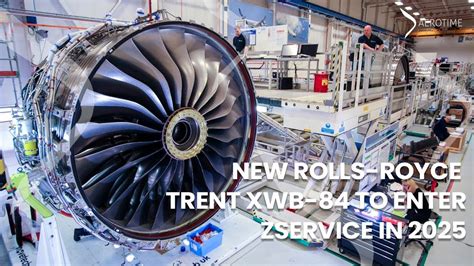
Rolls-Royce’s Enhanced Performance variant of the Trent XWB-84 engine represents a pinnacle of aeronautical engineering refinement. Instead of relying on groundbreaking new technologies, Rolls-Royce’s engineers achieved fuel efficiency gains through a meticulous optimization of existing engine components based on data-driven feedback from global airline operators.
This sophisticated evolution of the original XWB engine is more than a technical marvel—it’s a practical solution tailored for real-world application. The EP engine received full aircraft-level certification in April 2025, after undergoing rigorous validation processes. Its key enhancements include:
- Refined compressor and turbine components for improved thermodynamic efficiency
- Reduced NOx emissions through optimized combustion profiles
- Minimized maintenance downtime via improved system reliability and heat resistance
Delta’s implementation of this engine variant solidifies its place in a prestigious circle, following early adopters like Singapore Airlines, and positions the carrier at the forefront of sustainable long-haul aviation.
Strategic Investments Powering the Future of Aviation
The EP engine is just one piece of a much broader strategy by Rolls-Royce, which is investing £1 billion into the next-generation performance and durability of its Trent engine family. This commitment reflects a long-term vision to enhance engine lifespan, reduce maintenance costs, and support airline sustainability targets.
Among the flagship initiatives in this investment program are:
- Trent 1000 durability improvements, addressing time-on-wing limitations and high-pressure turbine blade resilience
- Certification of a durability upgrade package by U.S. regulators to extend service intervals and reduce lifecycle costs
- Upcoming enhancements to the Trent 7000 series, aimed at delivering a 30% improvement in time-on-wing for A330neo engines by 2026
These enhancements support a more reliable global fleet and reinforce the economic case for investing in sustainability—not just for Delta, but for airlines worldwide.
Technological Innovation Beyond Fuel Efficiency
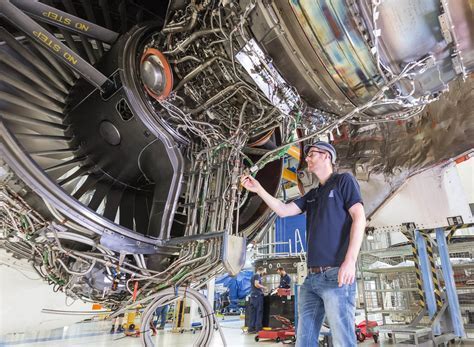
Beyond fuel savings, the latest iteration of Rolls-Royce’s engine technology also advances the frontier of engine durability, emissions reduction, and adaptability to extreme environments. The XWB-97, another member of the Trent family, is currently undergoing upgrades that improve operational endurance in high-temperature and high-particulate conditions, such as desert and tropical climates.
As Rolls-Royce tests new materials and cooling systems for these engines, it is laying the groundwork for next-gen propulsion systems that blend performance with eco-conscious design. A key example of this is the ALECSys (Advanced Low Emissions Combustion System), which integrates into the UltraFan program and has already demonstrated:
- 40% reduction in nitrogen oxide (NOx) emissions
- Significant decreases in particulate matter emissions
- More efficient fuel combustion under varied flight conditions
UltraFan and the Road to Zero-Emission Commercial Flight
While the current enhancements are focused on optimizing existing models, Rolls-Royce’s broader ambitions are reflected in its UltraFan project, a revolutionary next-gen engine platform designed to offer 25% greater fuel efficiency than today’s most efficient engines. Slated for entry into service within the next decade, the UltraFan will incorporate:
- ALECSys combustion technology
- Advanced materials like carbon-titanium fan blades
- A geared architecture for improved power delivery
These advances will enable future aircraft to fly farther, cleaner, and quieter. Delta’s current investment in EP engines can be seen as a bridge to these future technologies, allowing the airline to adopt a staged approach toward net-zero operations.
Delta’s Environmental Impact Strategy: More Than Just Engines
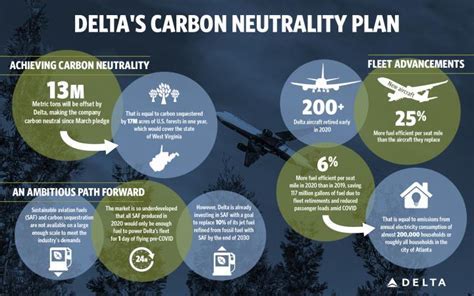
Delta’s acquisition of the A350 with the EP engine is not a standalone move. It is a core component of the airline’s broader sustainability platform, which encompasses:
- Fleet modernization with newer, more efficient aircraft
- Investment in sustainable aviation fuel (SAF) and zero-emissions research
- Operational optimization, including fuel-saving flight paths and ground procedures
- Transparent environmental reporting and offset programs
With this delivery, Delta is on track to meet its goal of reducing carbon emissions by 45% per available seat-kilometer by 2035, compared to 2005 levels.
Global Implications and Leadership in U.S. Aviation
Delta’s role in adopting this enhanced engine is pivotal not only for the airline but also for the broader U.S. aviation industry, which is under growing pressure to meet international climate commitments. As the first U.S. carrier to deploy this engine, Delta sets a precedent for domestic competitors while showcasing to global regulators and customers alike that American aviation is capable of leading in green transformation.
The ripple effect of Delta’s leadership is also likely to be felt in policy advocacy and infrastructure investment across Georgia. The airline’s decision to debut this aircraft in the state reaffirms Georgia’s potential to become a launchpad for aviation sustainability and green aerospace innovation.
Looking Ahead: A Blueprint for Sustainable Long-Haul Travel
The successful delivery and entry into service of the A350 equipped with Rolls-Royce’s Enhanced Performance engine is more than just an engineering feat—it is a declaration of intent. As the global aviation industry grapples with increasing regulatory pressure, customer demand for greener travel, and the urgency of climate change, Delta’s decision offers a practical, scalable blueprint for long-haul sustainability.
By marrying state-of-the-art engine upgrades with systemic operational efficiency, Delta is charting a bold course toward cleaner skies and operational excellence. The story of this A350’s arrival is not just about a single aircraft—it’s about the future of flight taking shape today.